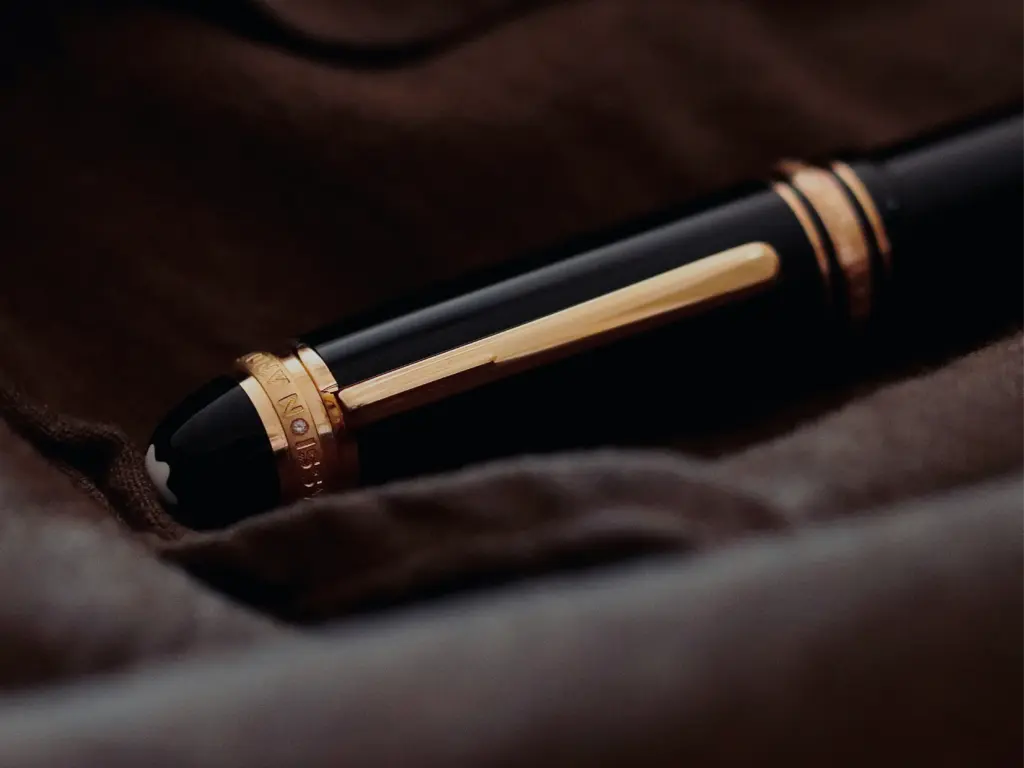
A Montblanc pen is a writing instrument assembled at the company’s own manufacture in Hamburg, Germany, where the flagship Meisterstück line has been produced since 1924.
For premium pen buyers, sourcing researchers, and readers comparing brands before a bulk custom order, it offers a reference point for what “premium manufacturing” actually consists of: in-house assembly, documented quality control, and a supply chain the brand describes publicly.
Before drawing conclusions from any premium brand’s origin story, buyers should evaluate where final assembly happens, which components are sourced elsewhere, and which parts of that model translate to a custom program at factory scale.
This guide explains where Montblanc pens are made today, how the brand developed, which components come from Germany and which do not, and what the Montblanc model implies for buyers ordering custom pens in bulk.
Punti chiave
- Montblanc writing instruments are produced at the company’s manufacture in Hamburg, Germany, and the Meisterstück line has been made there since 1924.
- The company was founded in 1906, adopted the Montblanc name in 1910, and has belonged to the Swiss Richemont group since 1993.
- Leather goods come from Florence, Italy, and watches from Switzerland; pens come from Hamburg.
- Final assembly, nib work, and quality control are concentrated in Hamburg, while component suppliers in several countries feed the factory; the full supplier list is not published.
- The transferable lesson for bulk buyers is not the address but the structure: controlled assembly, staged inspection, and material standards specified before production.
Where Are Montblanc Pens Manufactured Today?
Montblanc writing instruments are manufactured in Hamburg, Germany, at the company’s own pen manufacture. The site produces the current writing instrument lines, including the Meisterstück, which has been assembled there since the model was introduced in 1924. The company is headquartered in the same city, and its Hamburg site also hosts the Montblanc Haus visitor center, which presents the brand’s writing-instrument production to the public.
“Made in Germany” is therefore accurate for the pens in a way it is not for everything the brand sells: Montblanc leather goods are produced in Florence, Italy, and the brand’s watches are produced in Switzerland under the same parent group. Buyers checking origin markings on a Montblanc writing instrument should expect Hamburg production, and should confirm the marking on the specific model, since special editions and accessory items can follow different production arrangements.
Montblanc Brand History and Heritage
The company was founded in 1906 by a stationer, a banker, and an engineer, and it registered as the Simplo Filler Pen Company in Hamburg in 1908. The Montblanc name was adopted in 1910, and the white star emblem that followed refers to the snow-covered summit of the Mont Blanc massif, the highest peak in Western Europe.
Two dates anchor the heritage. In 1924 the company introduced the Meisterstück, the model that still defines the line and remains in production in Hamburg a century later. In 1993 Montblanc became part of the Richemont group, the Swiss luxury holding that manages the brand alongside jewellery and watch houses; under group ownership the brand extended from writing instruments into leather goods, watches, and accessories.
For a buyer comparing manufacturers, the history matters for one practical reason: the brand’s premium position rests on continuity, an unchanged flagship product, and in-house production, and each of those is a verifiable manufacturing choice rather than a marketing story. The same is true, in different forms, for the other heritage brands covered on this site, compreso Cross E Parker.
Which Components Come From Germany and Which Do Not
Final assembly, nib production and finishing, and quality control for the writing instruments are concentrated at the Hamburg manufacture. That is the part Montblanc documents publicly, including factory visits and the craftsmanship descriptions it publishes on its official site. What the company does not publish is a complete component-level supplier list, so claims about every single part’s origin should be treated carefully.
| Component or category | Production location | What buyers should note |
|---|---|---|
| Assembly and QC | Hamburg, Germany | Concentrated at the company manufacture; documented by the brand |
| Nibs | Hamburg, Germany | Produced and finished in-house; 4810 marking refers to the mountain’s height in meters |
| Precious resins and barrels | Germany plus European suppliers | Materials sourced from suppliers; exact origins not published |
| Metal trims and fittings | Multi-country sourcing | Supplier list not published; confirm per product line |
| Inks and refills | Multi-country sourcing | Not disclosed in detail by the brand |
| Leather goods | Florence, Italy | Separate product category under the same brand |
| Orologi | Switzerland | Produced under the Richemont group structure |
The practical reading of the table is that “made in Germany” describes where the pen comes together and passes inspection, not a claim that every material originated inside one country. That is the normal structure of premium manufacturing, and it is the same structure buyers should expect from any serious supplier at any price level.
How Montblanc Compares With Other Luxury Pen Brands
Among heritage pen brands, production geography differs more than marketing suggests, and the differences are worth knowing before a comparison is made on origin alone.
Cross
Cross, the oldest American pen manufacturer, moved the bulk of its production overseas over the past decades; today Cross pens are produced primarily in China, with the brand’s history, special editions, and quality control covered in the site’s Cross manufacturing overview.
Parker and Waterman
Parker, founded in the United States in 1888, now produces within a global network that has included French and British sites, a transition documented in the Parker manufacturing overview; Waterman, its sister brand under the same owner, is closely identified with production in France.
Montblanc and the German houses
Montblanc and other German writing-instrument houses, such as Lamy and Pelikan, are the brands most consistently associated with in-country production, though each operates its own mix of in-house and supplier manufacturing. The comparison takeaway is that brand heritage and current production location are separate questions, and both should be checked against the specific model rather than the logo.
What Buyers Can Learn From Montblanc Manufacturing
The Montblanc model is not reproducible at gift-set budgets, but its structure is, and that structure is what separates a reliable custom pen program from an unreliable one.
Controlled Assembly Under One Roof
Premium brands concentrate final assembly so that the people who put the pen together also see its failures. A bulk buyer gets the same benefit by working with a manufacturer that assembles in its own facility rather than trading parts between third parties, and by confirming where assembly actually happens before the order is placed.
Staged Quality Inspection
Hamburg-quality output is a process outcome: material checks on arrival, in-line inspection during assembly, and functional testing before packaging. A custom program can and should specify the same three stages in the purchase order, with the sample approval tied to the agreed inspection standard.
Material Standards Specified Before Production
Premium pens start from written material specifications: resin grades, metal plating thickness, and nib tolerances. None of that is reserved for luxury goods, and a buyer who specifies plating thickness or ink performance in advance gets a verifiable standard instead of a sales promise. The supplier base behind this kind of specification, and how export manufacturers differ, is set out in the site’s pen manufacturers in China guida.
Are Montblanc Pens Worth the Price?
It depends on what the purchase is for. As writing instruments, Montblanc pens are well made, serviceable, and supported by a global retail and repair network; as objects, they carry the brand recognition that a century of continuity buys, and for some recipients that recognition is the point of the gift. As a benchmark for custom purchasing, they are useful precisely because the premium is visible: the buyer can see which part of the price buys materials and assembly, and which part buys the name.
For corporate programs ordering in the hundreds or thousands, the practical question is different from the retail one. A program buying an executive gift for a small VIP list may reasonably buy a premium retail brand. A program buying hundreds of branded pens is buying custom manufacturing, and there the relevant comparison is between factories and their standards, not between retail brands.
How OEM Factories Replicate Premium Pen Standards
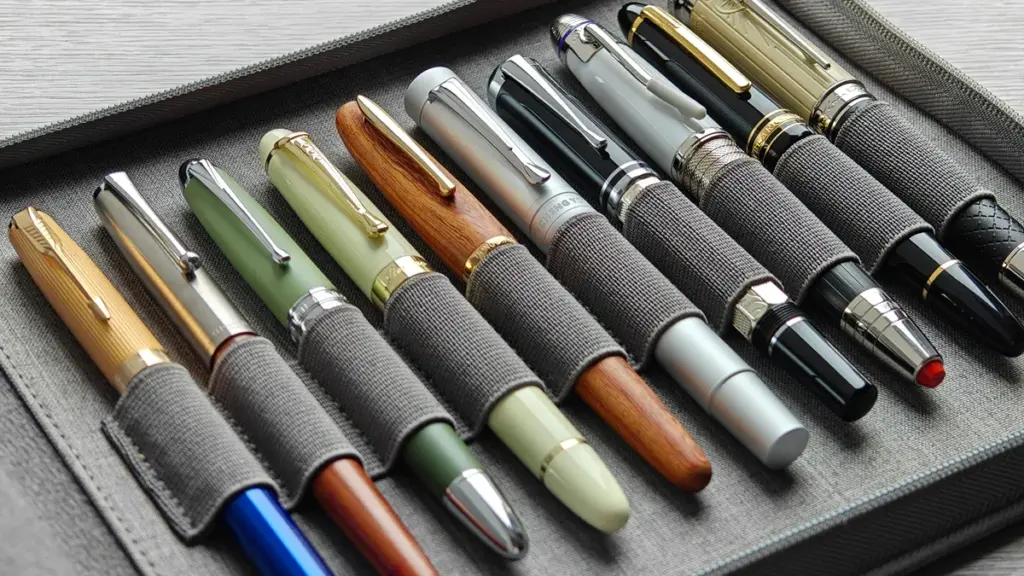
OEM pen factories serve luxury brands and corporate programs from the same manufacturing base, and the premium standard is replicated through the same elements described above, applied at factory scale.
In practice that means: precision tooling and finishing for barrels and trims, including metal components plated and tested for corrosion resistance; controlled injection moulding and assembly lines with in-line inspection; engraving and printing done to a stated tolerance; and documented material compliance for the destination market. Factories that serve export programs hold certifications such as SGS product testing and RoHS, BSCI, and TÜV-audited factory systems, and a buyer can request the certificates the same way they would request a material specification.
What OEM production does not replicate is the retail brand premium, and for most corporate gift programs that is the point: the program pays for the standard it specifies rather than for the heritage that a retail price carries.
Why Choose Le-tian Gifts for Premium Custom Pen Programs?
Le-tian Gifts traces its roots to pen-making in the mid-1990s and was formally incorporated in 2010. The company supplies customized writing instruments and corporate gift products, including metal, gel, and ballpoint pens for gift programs, with manufacturing in Wengang, Jiangxi, the country’s pen-making center, and an export headquarters in Guangzhou.
For buyers applying premium standards to a custom program, the relevant capabilities are: metal pen production with laser engraving to approximately 0.1 mm precision; electroplating lines with 48-hour salt-spray testing on metal parts; ten automated and semi-automated production lines with in-line and final quality control; product testing through SGS, Scheda di sicurezza, and EBO channels, with RoHS, BSCI, and TÜV Rheinland certification at factory level; and custom pen programs from 100 units with quotes returned within approximately 6 hours and free design mockups. Sampling takes approximately 5-10 giorni, and all lead times are reference estimates to be reconfirmed with the quotation.
The metal pen range is listed in the penne in metallo category. Send the model reference, the quantity, and the artwork to Regali Le-tian, and the reply will include a mockup, the applicable certifications, and a quotation against the specified standard.
Domande frequenti
Are All Montblanc Pens Made in Germany?
It depends on the product category. Writing instruments are produced at the Hamburg manufacture, while Montblanc leather goods come from Florence, Italy, and watches from Switzerland. Special editions and accessories can follow different arrangements, so confirm the specific item.
What Does 4810 Mean on a Montblanc Nib?
It refers to the height of the Mont Blanc massif, 4,810 meters, after which the brand is named. The number appears on nib markings and model references across the range.
Where Are Montblanc Inks and Refills Made?
The brand does not publish a detailed origin list for inks and refills. Confirm the origin marking on the specific product packaging, since writing instruments, inchiostri, and accessories can follow different production arrangements.
Is a Montblanc Pen Worth the Price?
It depends on the purpose. For a single premium gift where brand recognition matters, the price buys documented manufacturing and a service network as well as the name. For bulk corporate programs, custom manufacturing from a qualified factory delivers the specified standard at a program budget, which is a different purchase.
Can OEM Factories Match Premium Pen Quality?
It depends on which standard is being measured. Material grades, plating durability, engraving precision, and staged inspection are all replicable at factory scale, and export-oriented factories document them with certifications and test reports. The retail brand premium and its heritage are not part of the manufacturing standard, and most programs are not buying them.
How Can I Verify a Custom Pen Supplier’s Standards Before Ordering?
Request the material specification in writing, the factory and product certifications, and a physical sample from the same line that will run the order. Confirm where assembly happens and which inspection stages are included, then hold the sample as the quality reference for production approval.