Penna Parker è uno dei marchi di penne più riconosciuti al mondo. Per molti acquirenti, il nome sta per design classico, scrittura attendibile, e status professionale. Ma rimane una domanda comune: dove vengono prodotte oggi le penne Parker??
La risposta è importante per gli importatori, distributori, e acquirenti di regali aziendali. Il luogo di produzione incide sui costi, coerenza, velocità di consegna, e la percezione del marchio. Alcuni clienti preferiscono prodotti realizzati nel Regno Unito o in Francia, mentre altri si concentrano maggiormente sul controllo qualità e sull'imballaggio.
In questa guida, spieghiamo come è cambiata la produzione Parker nel tempo, quali linee di prodotti gli acquirenti chiedono più spesso, e cosa dovrebbero confrontare gli acquirenti aziendali quando acquistano penne premium per la rivendita o per regali aziendali.
Dove vengono prodotte le penne Parker?
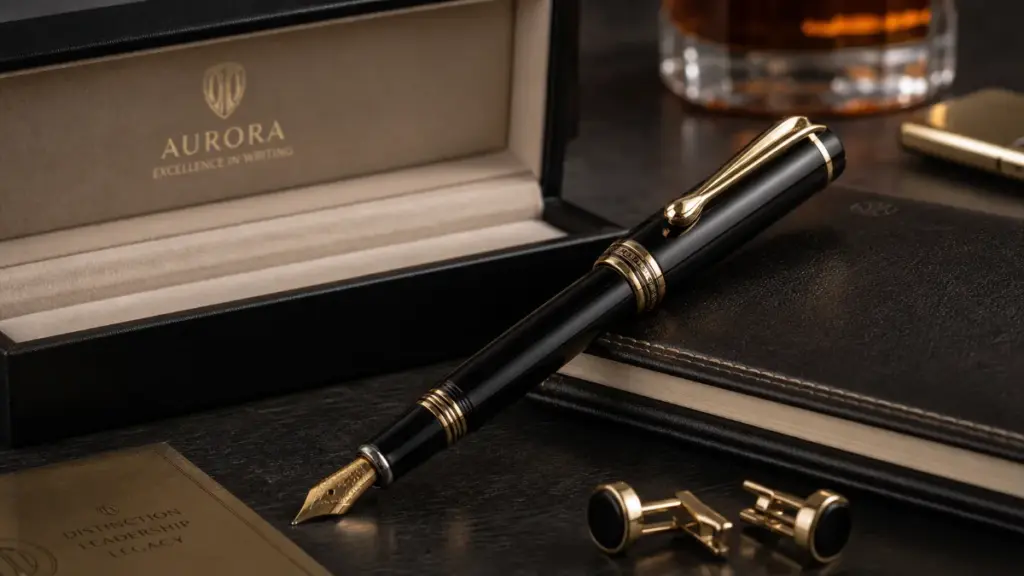
La moderna produzione di Parker si basa su una strategia a doppio hub: Nantes, La Francia gestisce linee di fascia alta e storiche, mentre la Cina gestisce modelli di mercato di massa. Stati Uniti storici. e gli stabilimenti del Regno Unito sono in gran parte chiusi.
| Categoria di prodotto | Principale regione di produzione | Mercati tipici |
|---|---|---|
| Penne stilografiche di alta qualità | Francia | Europa, America del Nord |
| Penne roller di fascia media | Francia / Cina | Globale |
| Penne a sfera entry-level | Cina / India / Francia | Globale |
| Edizioni speciali regionali | Varia | Mercati locali |
Francia: L'hub principale per i modelli Premium
Parker ha consolidato la sua produzione primaria globale a Nantes, Francia, a seguito di una serie di ristrutturazioni aziendali. Questa struttura funziona come la sede fisica del marchio moderno, applicare un rigoroso controllo di qualità in tutta la rete di produzione.
- Linee di fascia alta: Assemblaggio dei modelli prestigio Duofold e Sonnet.
- Graffette voluminose: Produzione di molti SKU Jotter globali.
- Componenti di precisione: Produzione avanzata del pennino e applicazione di finiture in metalli preziosi.
Cina: Il Centro per la produzione del mercato di massa
Mantenere la quota di mercato nei segmenti sensibili al prezzo, Parker ha stabilito una massiccia presenza produttiva in Cina. Questa strategia consente al marchio di beneficiare delle dimensioni e dell’efficienza del Paese ben sviluppato Produttori cinesi di penne rete mantenendo standard di qualità costanti.
- Modelli target: Conveniente, penne di livello medio come le serie Parker IM e Urban.
- Capacità industriale: Efficienze in termini di costi abbinate a infrastrutture di produzione su larga scala per mercati ad alto volume.
- Applicazione della qualità: Le strutture operano secondo rigorosi standard di progettazione Parker per garantire che le penne durino più a lungo delle alternative senza marchio.
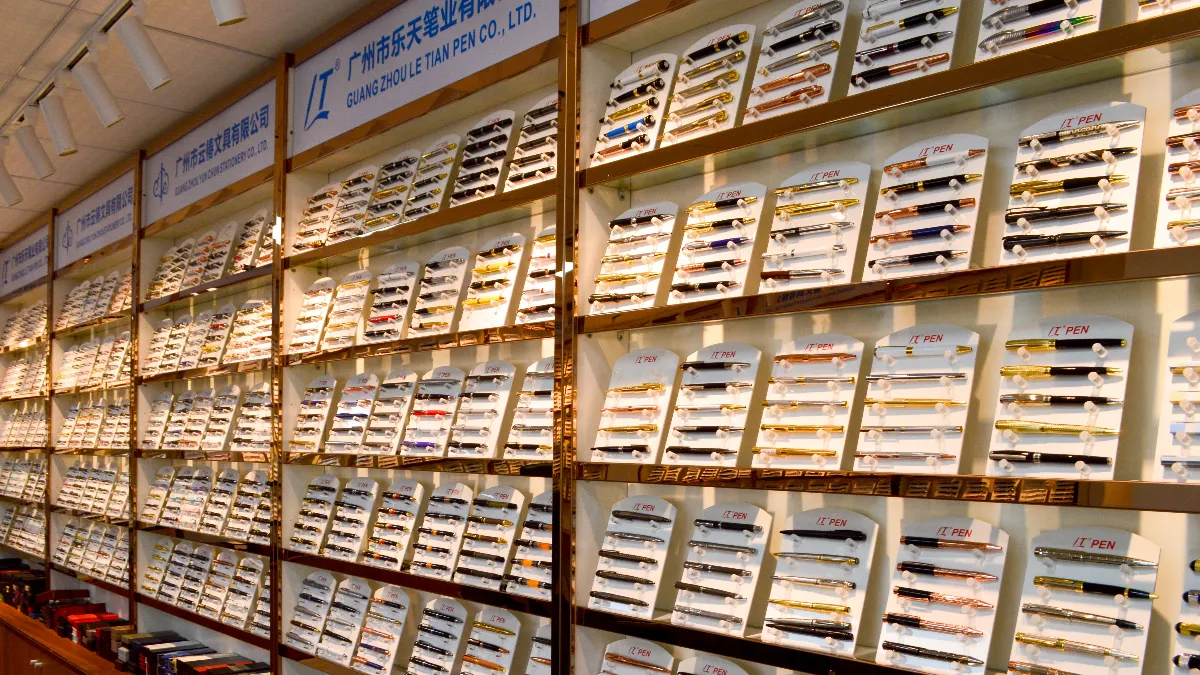
Molti acquirenti di regali aziendali si riforniscono direttamente anche da una fabbrica di penne professionale in Cina Regali Le-tian sviluppare penne in metallo personalizzate E set regalo esecutivi con qualità premium e opzioni di branding flessibili.
Basi storiche: Gli Stati Uniti e il Regno Unito
L'eredità di Parker è profondamente legata alle sue fabbriche americane e britanniche originali. Queste strutture hanno costruito la reputazione globale del marchio, ma alla fine hanno chiuso i battenti a causa del cambiamento delle richieste del mercato e del consolidamento aziendale.
- Janesville, Wisconsin: È stato il quartier generale della fondazione e un importante sito di produzione 1888 fino alla sua chiusura 1999.
- Newhaven, Regno Unito: Ha prodotto enormi volumi di linee di fascia media per la distribuzione europea prima di chiudere i battenti 2009.
- Stati Uniti attuali. presenza: La produzione rimane altamente limitata, concentrandosi strettamente su modelli domestici specializzati o localizzati.
Storia della produzione Parker per mercato
La produzione di Parker è passata dalle origini americane a un modello globale consolidato, bilanciare la produzione francese di lusso con l’assemblaggio cinese di grandi volumi per ottimizzare i costi e controllare la qualità.
Stati Uniti: Origine del marchio e produzione iniziale del nucleo
Parker è originario di Janesville, Wisconsin, In 1888. Questa sede fungeva da hub di produzione centrale durante il picco globale dell’azienda. Queste prime strutture produssero penne stilografiche iconiche, l'inchiostro Quink proprietario, e l'originale 1954 Penna a sfera Jotter. Il cambiamento delle condizioni di mercato e le transizioni di proprietà alla fine hanno costretto la chiusura della principale attività di Janesville 1999. Oggi, gli Stati Uniti funzionano quasi interamente come un importante mercato di vendita e distribuzione piuttosto che come un sito di produzione in serie.
Regno Unito: L'era di Newhaven
Il Regno Unito fungeva da base produttiva fondamentale e ospitava la sede centrale dell'azienda globale a Newhaven, Inghilterra, Fino a 1993. Lo stabilimento di Newhaven ha gestito un volume enorme di penne per il mercato di massa e di fascia media destinate alla distribuzione europea e globale. La razionalizzazione aziendale sotto Newell Rubbermaid portò infine alla chiusura della fabbrica. Di 2009, Newell consolidò completamente tutte le operazioni di produzione del Regno Unito nel centro di produzione francese.
Francia: Il polo produttivo premium
Dopo la chiusura degli Stati Uniti. e piante del Regno Unito, Nantes, Francia, è emerso come il principale centro di produzione globale di Parker. La sede europea centralizzata fornisce un'infrastruttura industriale consolidata per la lavorazione dei metalli di precisione, laccatura precisa, e tecniche di finitura avanzate. Le operazioni si concentrano esclusivamente sui modelli Parker di fascia alta, compreso:
- Serie di sonet: Linee premium di fascia media con finiture ricercate.
- Serie Prima: Modelli di livello executive che richiedono un assemblaggio complesso.
- Varianti di metallo premium: Configurazioni di fascia alta che richiedono tolleranze rigorose.
Lo stabilimento di Nantes gestisce anche un rigoroso controllo di qualità, progettazione del prodotto, ingegneria, e mitigazione della contraffazione per le linee di lusso del marchio.
Cina: Operazioni di mercato di massa e lotta alla contraffazione
La Cina opera come il principale hub di produzione per volumi elevati, penne entry-level e gruppi di componenti. La regione offre vaste infrastrutture industriali abbinate a costi competitivi, rendendolo ideale per prodotti sensibili al prezzo come le varianti base di Jotter. Stabilire una produzione autorizzata in Cina rappresenta uno strumento strategico per combattere la produzione locale contraffatta, migliorando al tempo stesso la visibilità della catena di approvvigionamento. In molti casi, i componenti e l'assemblaggio della base avvengono nelle fabbriche cinesi, mentre le fasi di finitura premium restano in Europa.
Altri mercati manifatturieri storici
Durante l’espansione di Parker a metà del XX secolo, l'azienda ha costruito impianti satellite in tutto il mondo per superare i vincoli logistici locali e le tariffe di importazione. Queste strutture regionali servivano a scopi strategici specifici:
- Canada, Danimarca, e Germania: Supportato la distribuzione regionale sfruttando le basi locali di ingegneria di precisione.
- India e Pakistan: Ospitare la produzione locale per servire enormi mercati interni evitando le tariffe di importazione.
- America Latina: Piante in Messico, Brasile, e l’Argentina hanno prodotto penne di uso quotidiano per superare complessi vincoli logistici.
Mentre questi stabilimenti satellite sono stati fondamentali durante la rapida espansione del marchio, il management aziendale li ha in gran parte eliminati a favore dell’attuale modello di produzione centralizzata.
Valorizza il tuo marchio con regali aziendali premium
Quali serie di penne Parker sono più citate dagli acquirenti?
L'interesse dell'acquirente si divide tra livelli funzionali, dagli onnipresenti Jotter fabbricati in Cina per l'uso quotidiano a quelli di alto prestigio, Duofold di fabbricazione francese destinati ai regali aziendali.
| Serie | Posizionamento | Uso comune |
|---|---|---|
| Taccuino | Premio d'ingresso | Promozioni, Eventi |
| IO SONO | Dirigente di medio livello | Regali per i clienti |
| Sonetto | Premio | Regali VIP e di leadership |
| Duplice | Lusso | Donazioni esecutive limitate |
Modelli quotidiani e studenteschi (Taccuino & Vettore)
Il Jotter rimane di fatto il Parker entry-level. Gli acquirenti ne sottolineano costantemente la durabilità e il basso costo, generare enormi volumi di recensioni su tutte le piattaforme di vendita al dettaglio. La produzione della moderna Jotters è suddivisa in due hub principali. La Francia gestisce le varianti premium, mentre le strutture cinesi garantiscono la disponibilità sul mercato di massa.
Il Vector domina i segmenti delle scuole e degli studenti. Ciò è particolarmente vero nei mercati globali che utilizzano ancora le penne stilografiche per la prima educazione.
Le discussioni nei forum e le recensioni degli acquirenti valutano spesso questi modelli di ingresso in base a criteri specifici:
- Ricarica l'accessibilità: Facilità di trovare penne a sfera standard in stile Parker o cartucce d'inchiostro proprietarie.
- Ogni giorno porta affidabilità: Struttura in metallo e plastica di alta qualità realizzata per il trasporto tascabile quotidiano.
- Consigli per principianti: Idoneità come prima penna stilografica affidabile per studenti e principianti.
Penne regalo di fascia media e aziendali (IO SONO, Urbano, & Sonetto)
Salire di livello, il Sonnet funge da classica ammiraglia step-up. Prodotto principalmente a Nantes, Francia, gli acquirenti preferiscono fortemente questa linea per regali aziendali individuali e traguardi professionali.
Al contrario, i modelli IM e Urban dominano i mercati aziendali e dei regali sfusi. La produzione cinese consente a Parker di offrire prodotti a costi vantaggiosi, corpi in metallo pesante che offrono un interessante rapporto prezzo-finitura. Gli acquirenti spesso contrastano il moderno, estetica curva dell'Urban e dell'IM con quella altamente tradizionale, Sonetto di ispirazione vintage.
Le discussioni su questo segmento di livello intermedio si concentrano principalmente su:
- Controllo di qualità: Uniformità delle lacche e durata della placcatura in grandi lotti aziendali.
- Accordatura del pennino: Prestazioni di scrittura pronte all'uso confrontando i moderni pennini in acciaio con quelli in oro.
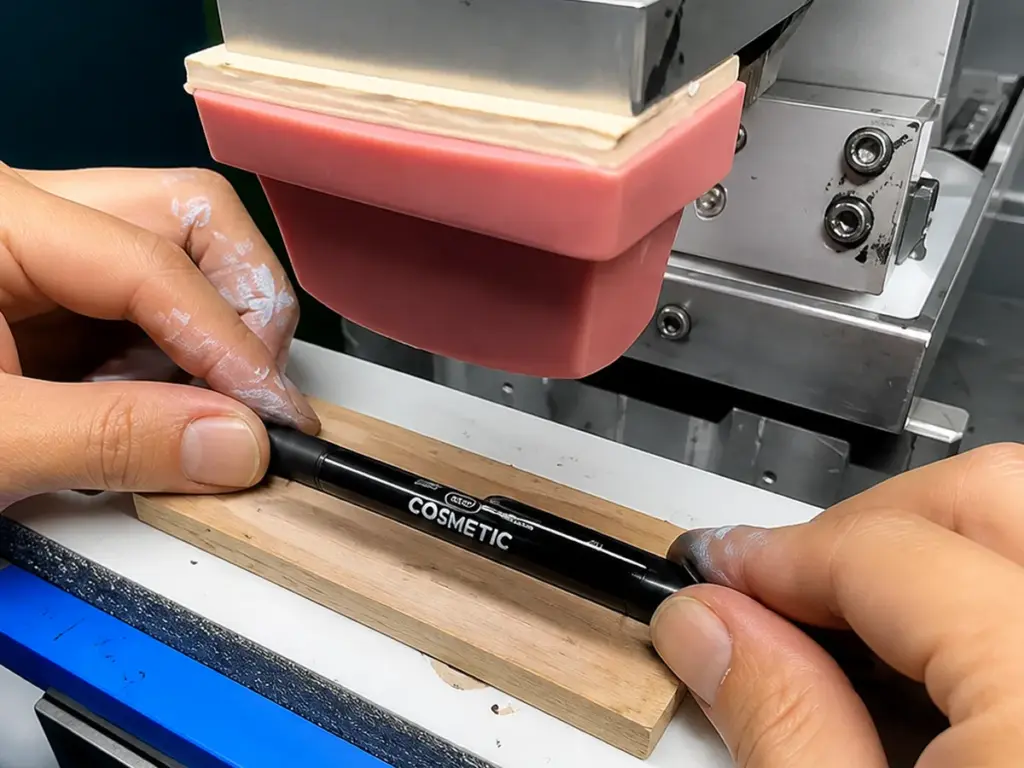
- Idoneità all'incisione: Quanto bene i fusti di metallo gestiscono l'incisione laser e la tampografia per i loghi aziendali.
Serie di punta premium (Duplice, Moderno 51, & Ingegno)
Il Duofold rappresenta l'apice della moderna maestria Parker. Prodotto in Francia, questa serie si rivolge agli acquirenti che cercano strumenti di qualità cimelio. Il moderno Parker 51 anche la ristampa si trova in questo spazio premium, generando un dibattito significativo. Gli appassionati confrontano attivamente la sua costruzione francese contemporanea con gli iconici originali vintage.
La linea Ingenuity attira discussioni nei forum di nicchia ma molto attive. Gli acquirenti discutono della sua tecnologia ibrida con cappuccio proprietaria e si chiedono come si adatti ai livelli di prezzo legacy di Parker.
I consumatori che acquistano in questo livello di punta danno priorità a requisiti rigorosi:
- Paese di origine: Richiesta esplicita di “Prodotto in Francia” designazione.
- Adatta e rifinisci: Allineamento perfetto del tappo, cuciture lucide, e qualità della laccatura profonda.
- Confronti di lusso: Valutazione diretta rispetto ai marchi di penne europei rivali di fascia alta.
Modelli vintage e legacy (Collezionisti’ Preferiti)
Le linee fuori produzione mantengono un volume massiccio, presenza attiva negli ambienti degli appassionati e dei collezionisti. Modelli come l'originale Parker 51, Vacumatic, 75, E 61 suscitare un elevato interesse da parte degli acquirenti decenni dopo la fine della produzione.
Queste discussioni sono incentrate principalmente sulla produzione storica americana a Janesville, Wisconsin, insieme alle prime varianti internazionali assemblate nel Regno Unito e in Canada. Per questi acquirenti, la narrativa dell’origine americana rimane centrale per l’identità del marchio.
I collezionisti vintage valutano i modelli in base a criteri storici specifici:
- Sistemi di riempimento: Funzionalità degli spremitori aerometrici, riempitivi di bottoni, e meccanismi Vacumatic originali.
- Estetica e materiali: Conservazione dei corpi originali in celluloide e delle finiture in metalli preziosi.
- Sfide del restauro: Approvvigionamento di pezzi di ricambio specifici per l'epoca e riparazione di componenti interni invecchiati.
- Etichettatura del paese d'origine: Distinguere le varianti rare utilizzando gli US specifici, Regno Unito, o marchi di fabbrica canadesi.
Come la regione manifatturiera modella la percezione del marchio
Parker utilizza la geografia per segmentare il proprio mercato. Gli stabilimenti francesi producono modelli di prestigio ad alto margine, mentre le fabbriche cinesi guidano il volume del mercato di massa e contrastano la contraffazione regionale.
Il passaggio dall’origine americana all’artigianato europeo
Parker ha costruito la sua narrativa fondamentale su un 1888 Origini americane e prime innovazioni tecniche da Janesville, Wisconsin.
Per ottimizzare le catene di fornitura globali, l'azienda consolida la sua produzione principale a Nantes, Francia. Questo perno ha spostato il posizionamento del marchio lontano dall’industria americana della metà del secolo e fortemente verso il lusso europeo.
Gli acquirenti interpretano la produzione francese come un forte indicatore di un patrimonio di design consolidato e di elevati standard artigianali. Lo spostamento geografico ancorò con successo le linee di punta di Parker tra i prestigiosi produttori di penne continentali.
Il “Made in France”.’ Effetto sul prestigio e sullo status
IL “Prodotto in Francia” impronta allinea direttamente Parker con i principali produttori di penne dell'Europa continentale.
I collezionisti e gli appassionati di penne si aspettano una qualità di base più elevata da questi modelli specifici. Cercano:
- Materiali di prima qualità: Resine di alta qualità, lacche multistrato, e metalli preziosi.
- Ingegneria di precisione: Tolleranze di adattamento del cappuccio più strette e finitura superficiale superiore.
- Ottimizzazione del pennino raffinata: Prestazioni più fluide fin dal primo utilizzo, soprattutto su pennini in oro 18k.
Questi attributi rendono le penne prodotte a Nantes altamente desiderabili come regali aziendali e accessori di segnalazione dello status per i dirigenti.
Il ruolo strategico della produzione cinese
La Cina funge da hub produttivo primario per i volumi, modelli accessibili come le serie Parker IM e Urban.
La produzione di queste penne in Asia garantisce prezzi al dettaglio competitivi e facilita un’ampia disponibilità globale di articoli di cancelleria per uso quotidiano. Oltre l’efficienza dei costi, Stabilire una produzione ufficiale in questa regione aiuta strategicamente a contrastare la contraffazione locale grazie ad un’elevata tracciabilità, catene di fornitura controllate dal marchio.
Mentre gli acquirenti vedono questi modelli principalmente come strumenti funzionali per studenti e impiegati, le penne mantengono le aspettative di qualità di base attraverso una rigorosa supervisione del marchio e un'affidabilità meccanica costante.
Materiali delle penne Parker e standard di costruzione da confrontare
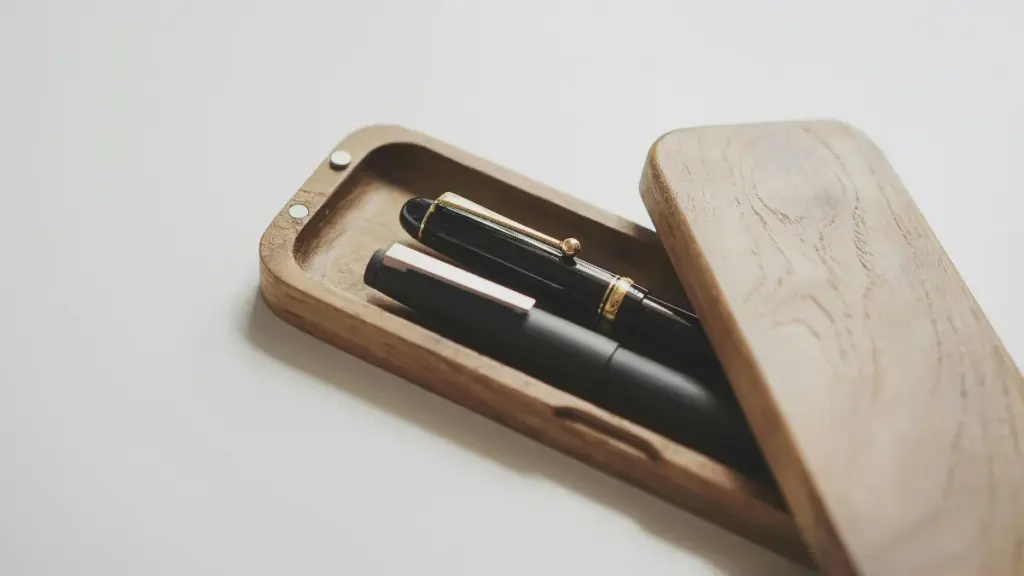
Parker bilancia l'artigianato tradizionale con l'efficienza industriale, impostazione di materiale rigoroso, meccanismo, e parametri di finitura che definiscono gli strumenti di scrittura globali di livello medio-alto.
Benchmark sui materiali del cilindro e del cappuccio
La valutazione di Parker richiede un'analisi diretta della scelta dei substrati. Il marchio divide i suoi materiali rigorosamente per fascia di prodotto, peso di bilanciamento, durabilità, e tolleranze di fabbricazione.
- Substrati metallici: L'acciaio inossidabile e l'ottone forniscono il peso richiesto, resistenza all'ammaccatura, e tolleranze di lavorazione precise per modelli di livello medio-alto.
- Opzioni leggere: Parker integra l'alluminio anodizzato in linee selezionate per ridurre il peso complessivo mantenendo la rigidità strutturale.
- Termoplastici e Resine: Ingegneria delle materie plastiche (ABS) e le resine acriliche di alta qualità garantiscono resistenza agli urti, tolleranze strette dello stampaggio a iniezione, e stabilità del colore UV a lungo termine.
Standard di costruzione e ribaltamento del pennino
Una penna stilografica vive o muore grazie al suo pennino. Parker mantiene rigorosi parametri di riferimento in termini di flusso ed elasticità sia per le sue offerte entry-level in acciaio che per quelle in oro premium.
- Pennini in acciaio: I pennini in acciaio inossidabile si affidano alla punta in lega dura e alla microsaldatura per una morbidezza immediata e un'elasticità costante e costante.
- Metalli preziosi: I modelli premium sono dotati di pennini in oro 14k o 18k, offrendo una leggera conformità e una resistenza alla corrosione superiore, spesso impreziositi dalla placcatura rodio bicolore.
- Controllo qualità: Gli standard di produzione richiedono geometrie di ribaltamento levigate, allineamento preciso dei denti, e un'adeguata bufferizzazione dell'inchiostro per eliminare partenze difficili e railroading.
Sistemi di ricarica e meccanismi interni
La meccanica interna determina l'affidabilità quotidiana di qualsiasi strumento di scrittura. I sistemi proprietari di Parker fungono da base esatta che molti produttori di penne generiche tentano di replicare.
- Ricariche G2: La ricarica per penna a sfera G2 brevettata in stile Parker stabilisce uno standard di settore per il flusso ininterrotto di inchiostro a base di olio e una lunga durata di conservazione.
- Fare clic su Meccanismi: Meccanismi a scatto metallici e ibridi, confrontato con il classico Jotter, richiedono un ciclo di vita elevato, feedback tattile distinto, e oscillazione laterale minima della punta.
- Conservazione del cappuccio: Gli ingegneri valutano i meccanismi dei cappucci in base a forze di ritenzione a scatto sicure o filettature lisce, abbinato a guarnizioni interne per evitare che il pennino si secchi.
Finiture superficiali e durata della placcatura
La longevità cosmetica distingue i marchi premium dalle alternative usa e getta. Parker applica rigorosi protocolli di adesione e spessore per tutti i trattamenti superficiali.
- Lacche: Le vernici liquide multistrato applicate su corpi metallici devono presentare uniformità di colore, chiarezza, e profonda resistenza alle microfessurazioni.
- Placcatura: Gli standard di placcatura in cromo e oro 23k richiedono uno spessore uniforme per evitare sfaldamenti e usura nei punti di contatto frequenti come clip e fascette.
- Rivestimenti PVD: I design moderni integrano la deposizione fisica del vapore (PVD) rivestimenti per ottenere un'elevata resistenza all'abrasione e una forte adesione ai metalli di base.
Tolleranze dimensionali e vestibilità ergonomica
I materiali di alta qualità non significano nulla senza un montaggio preciso. Parker controlla rigorosamente le dimensioni per garantire stabilità tattile e comfort dell'utente a lungo termine.
- Vestibilità del cappuccio: Le fabbriche controllano rigorosamente le dimensioni dei cappucci per evitare rumori nella tasca e consentire un posizionamento sicuro senza fratturare il bordo del cappuccio.
- Giunti: I giunti filettati tra la canna e la sezione devono innestarsi facilmente senza filettature incrociate o oscillazioni percettibili post-assemblaggio.
- Bilancia: I progettisti calcolano la distribuzione del peso per bilanciare i componenti pesanti in metallo, garantendo una comoda ergonomia di scrittura non pubblicata e pubblicata.
Cosa dovrebbero confrontare gli acquirenti di penne personalizzate invece del valore del logo
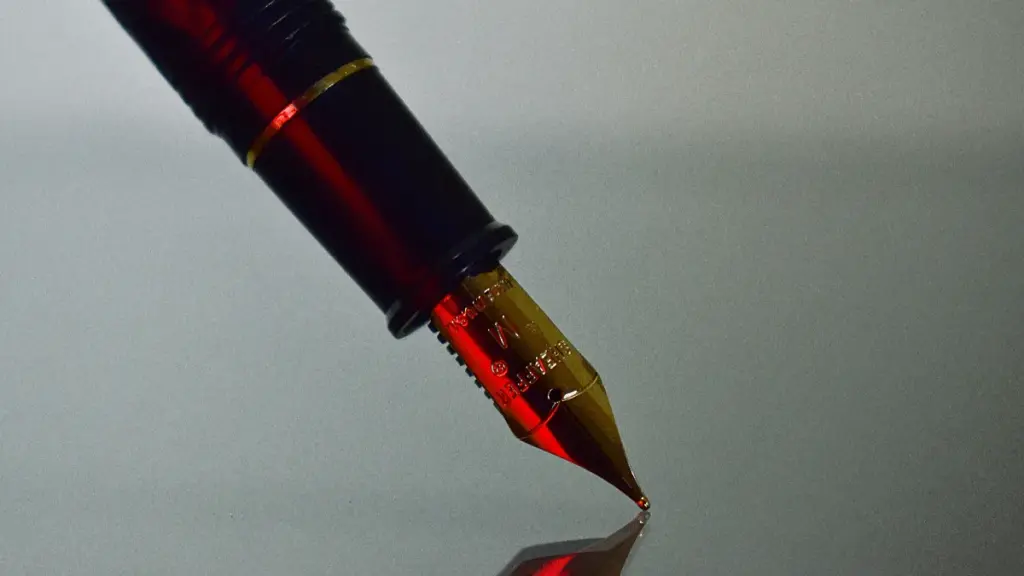
Smetti di pagare più del dovuto per un marchio. Il vero valore del regalo aziendale deriva dall'effettiva origine della produzione, durabilità del materiale, compatibilità con la ricarica, e il costo totale di proprietà nel tempo.
| Criteri di valutazione | Focus basato sul logo | Focus orientato alle prestazioni |
|---|---|---|
| Fonte di produzione | Storia della sede del marchio | Fabbrica di produzione effettiva timbrata |
| Costruisci qualità | Presunto prestigio | Metalli di base e tassi di scarto verificati |
| Valore a lungo termine | Prezzo unitario della penna | Impressioni nel corso della vita totale |
Origine della produzione e controllo qualità
Gli acquirenti spesso confondono l’origine storica di un marchio con l’effettiva sede di produzione. Un nome storico potrebbe avere origine negli Stati Uniti o nel Regno Unito, ma la produzione moderna è spesso distribuita tra diversi hub globali in base al livello di prodotto.
- Valutare il paese effettivamente timbrato: Cerca il timbro di produzione fisica (per esempio., Francia contro. Cina) per comprendere il livello di produzione, piuttosto che fare affidamento sull’origine storica del marchio.
- Determinare il tipo di struttura: Scopri se la fabbrica è dedicata, uno stabilimento per strumenti di scrittura di precisione o uno stabilimento generico per prodotti promozionali che appone semplicemente loghi sugli articoli in stock.
- Confronta i parametri di qualità: Richiedere dati sui tassi di rifiuto, tassi di restituzione, e la tracciabilità dei lotti invece di affidarsi esclusivamente alla reputazione storica del marchio.
Specifiche dei materiali e durabilità della costruzione
Un distintivo di prestigio non può nascondere materiali scadenti. I materiali di base determinano se la penna sopravvive al trasporto quotidiano in una valigetta o in tasca, o se si scheggia e si rompe entro una settimana.
- Confronta i materiali di base: Dai priorità ai corpi in ottone massiccio e acciaio inossidabile rispetto alla plastica leggera o alle resine fragili per la massima longevità.
- Esaminare le finiture esterne: Controllare la durabilità delle lacche multistrato, spessore della placcatura, e l'integrità strutturale delle clip da tasca sotto stress.
- Verifica la compatibilità della ricarica: La compatibilità standard delle ricariche tra marchi diversi riduce al minimo l'attrito nell'approvvigionamento a lungo termine, garantire che i destinatari continuino effettivamente a utilizzare la penna.
Prestazioni di scrittura ed ergonomia
L'esperienza di scrittura determina se il destinatario conserva il tuo regalo o lo getta in un cassetto della scrivania. Devi testare la penna esattamente come i tuoi utenti interagiranno con essa nel loro flusso di lavoro quotidiano.
- Testare la formulazione dell'inchiostro: Controlla il tempo di asciugatura e la resistenza al salto sulla tua attuale carta aziendale, non solo test pad di alta qualità.
- Confronta l'affidabilità meccanica: Valuta la scorrevolezza del pennino, consistenza della punta, e affidabilità dei clic meccanici su modelli che utilizzano tipi di inchiostro identici.
- Valutare l'ergonomia: Testare il peso della penna, bilancia, e il diametro dell'impugnatura su un gruppo pilota di mani di diverse dimensioni prima di ordinare in grandi quantità.
Capacità di personalizzazione e allineamento delle decorazioni
Per regali aziendali, il logo che aggiungi è più importante del badge del produttore della penna sulla clip. Il materiale del substrato influisce direttamente sulla qualità della visualizzazione del tuo marchio nel tempo.
- Dai priorità alla qualità dell'impronta: Analizza la nitidezza, profondità, e il contrasto dell'incisione laser o della tampografia sul materiale specifico del cilindro selezionato.
- Richiedi prove fisiche di pre-produzione: Non fare mai affidamento sui modelli digitali. Verifica il rigoroso posizionamento del logo e l'accuratezza dei colori Pantone sul prodotto fisico reale.
- Valutare la resistenza all'usura: Prova il logo impresso durante il trasporto quotidiano in tasca, attrito, e condizioni di gestione per garantire che il tuo marchio non venga cancellato.
Costo totale di proprietà e affidabilità della catena di fornitura
Il prezzo unitario è una metrica fuorviante. È necessario calcolare il costo totale di proprietà per comprendere il reale ritorno sull'investimento in regali aziendali e mitigare i rischi di adempimento.
- Calcolare il valore a lungo termine: Un po' più caro, la penna ricaricabile produce più impressioni del marchio nel corso degli anni rispetto a una penna più economica che gli utenti scartano rapidamente.
- Analizzare i tempi di consegna standard: Tieni conto della disponibilità delle scorte locali, vie di transito, e tempi di buffer integrati per potenziali ristampe di decorazioni.
- Acquistare esclusivamente attraverso i canali autorizzati: Collabora strettamente con distributori commerciali verificati per eliminare il forte rischio che prodotti contraffatti entrino nella tua catena di fornitura.
Approvvigionamento di penne premium? Perché Letian Gifts è il tuo partner strategico
Letian Gifts colma il divario tra l'artigianato europeo di fascia alta e la produzione asiatica economicamente vantaggiosa, garantire che l'approvvigionamento di penne aziendali sia perfettamente in linea con il budget, pubblico, e gli standard del marchio.
Regali Le-tian combina quasi tre decenni di esperienza nella produzione di penne con personalizzazione flessibile e servizio di esportazione globale.
A differenza dei marchi al dettaglio, aiutiamo le aziende a creare penne con marchio del distributore e set regalo aziendali completi che corrispondano ai loro obiettivi di branding e al loro budget.
Perché gli acquirenti globali scelgono i regali Le-tian
- MOQ da solo 100 unità
- Penne in metallo, quaderni, e set regalo executive
- Incisione laser di precisione e confezionamento personalizzato
- 5–Sviluppo del campione in 10 giorni
- Capacità mensile di 800,000+ unità
- BSCI, RoHS, SGS, e verificato dal TÜV
Ideale per
- Agenzie promozionali
- Team di approvvigionamento aziendale
- Venditori Amazon e e-commerce
- Gruppi di ospitalità di lusso
- Marchi automobilistici e tecnologici
Che tu voglia una penna in ottone in stile Parker o una confezione regalo executive completamente personalizzata, Le-tian Gifts offre una soluzione più rapida ed economica.
Considerazioni finali
La scelta di penne promozionali senza marchio riduce i costi iniziali di approvvigionamento, ma economico, un regalo rotto danneggia attivamente le tue relazioni aziendali. Navigare tra i precisi livelli di produzione di Parker consente di sfruttare l’autentica maestria europea per i dirigenti e l’assemblaggio asiatico di alta qualità per campagne di volume. Imporre rigorosi standard di qualità in fabbrica è l'unico metodo comprovato per proteggere il tuo marchio da responsabilità di contraffazione e imbarazzanti difetti dei materiali.
Per garantire i giusti strumenti di scrittura premium è necessaria una convalida fisica prima di impegnare il budget di marketing. Consigliamo di iniziare con un ordine campione per testare l'esatto peso del barile, durabilità della lacca, e il flusso di inchiostro in condizioni reali. Connettiti con il nostro team di approvvigionamento presso Letian Gifts per abbinare le tue specifiche di incisione personalizzata con l'hub di produzione globale ottimale.
Domande frequenti
Le penne Parker sono ancora di buona qualità?
SÌ, Le penne Parker mantengono una buona qualità a livello di mercato medio e premium. La qualità spesso dipende dal livello del modello e dal luogo di produzione. I modelli di fascia alta e di fabbricazione francese presentano finiture eccellenti e pennini uniformi, mentre le linee entry-level del mercato di massa possono mostrare maggiori variazioni nella vestibilità e nella finitura. Per la migliore esperienza, le linee di fascia media o premium sono le scelte più affidabili.
Parker è un marchio di lusso?
Parker è meglio descritto come un marchio di scrittura storico premium piuttosto che come una casa di lusso esclusiva. Sebbene offrano prodotti di lusso, in particolare modelli di fascia alta fabbricati in Francia, producono anche un'ampia gamma di prodotti accessibili., penne del mercato di massa come la Jotter.
Quali penne Parker sono prodotte nel Regno Unito?
Parker ha chiuso la sua Newhaven, Fabbrica inglese a 2009, il che significa che le penne attuali non sono più prodotte nel Regno Unito. Storicamente, la struttura del Regno Unito ha prodotto modelli come la Parker 25, Duofold nel Regno Unito, e corse significative del Jotter, Vettore, E 45. Puoi identificare queste penne vintage da un "Made in England".’ o "Prodotto nel Regno Unito".’ impronta sul fusto o sul cappuccio.
Come posso sapere se la mia penna Parker è reale?
Le autentiche penne Parker presentano incisioni nitide, una clip a freccia dalla forma netta, e finitura superficiale liscia. I segnali di allarme per le contraffazioni includono errori di ortografia, costruzione fragile, parti disallineate, o prezzi insolitamente bassi da venditori non verificati. Tieni presente che un prodotto "Made in China".’ o "Made in India".’ la marcatura non significa automaticamente che una penna sia falsa, poiché Parker gestisce stabilimenti di produzione legittimi in tutto il mondo.
Qual è la penna Parker più famosa?
Il Parker 51 è ampiamente considerata la penna Parker più famosa e storicamente importante. Lanciato nel 1941, presentava un caratteristico pennino con cappuccio e un design modernista aerodinamico. Mentre la Parker Jotter è probabilmente la penna a sfera numericamente più diffusa, IL 51 rimane la penna stilografica più iconica del marchio.
Parker è migliore di Waterman?
La scelta tra i due dipende dalle tue esigenze di scrittura primarie. Parker eccelle nelle penne a sfera per uso quotidiano e nei regali aziendali altamente affidabili, supportato da un enorme ecosistema di ricarica globale. Waterman è spesso preferita per le prestazioni fluide e pronte all'uso della penna stilografica e l'elegante estetica di lusso francese nel mercato di fascia media.