When buyers ask where Cross pens are made, they are often trying to understand one thing: does the manufacturing location affect quality and value?
Cross is one of the most recognized names in the writing industry. The brand has a long American history, but modern production is spread across different countries. Some pens are made in China, while older models were produced in the United States.
For corporate gift buyers, distributori, and private-label brands, this raises an important question: Should you focus on the brand name, or should you evaluate the actual manufacturing standards behind the pen?
In questo articolo, we explain where Cross pens are made today, how production has changed over time, and what smart buyers should check before placing a bulk order.
Dove vengono prodotte oggi le penne a croce?
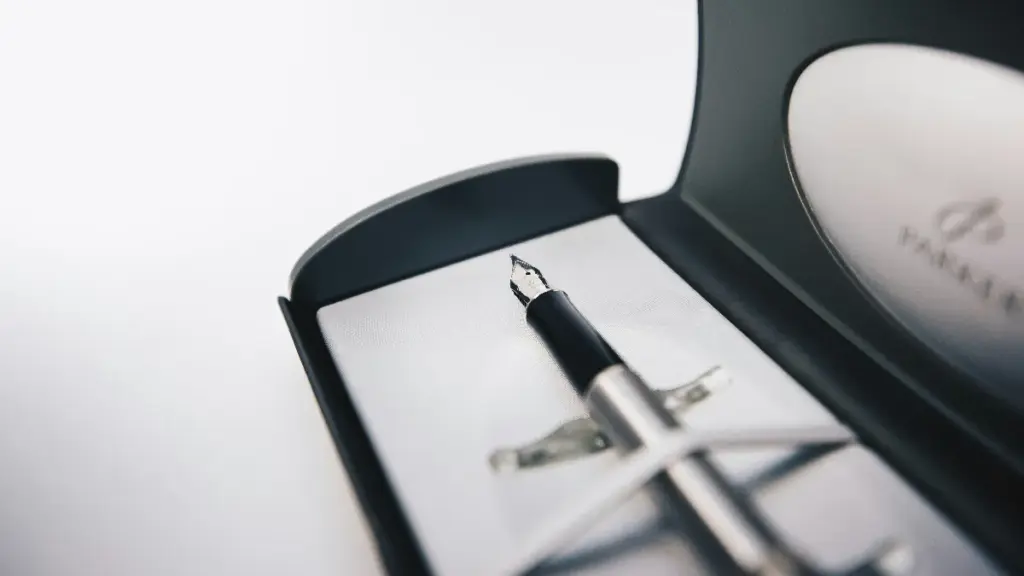
The majority of modern Cross pens are manufactured in a dedicated facility in China, while special editions and executive order pens still undergo custom finishing in the US.
| Brand Element | Posizione |
|---|---|
| Brand Origin | Stati Uniti |
| Design & Product Development | United States and global teams |
| Main Manufacturing | Cina |
| Distribution | Worldwide |
Primary Manufacturing Operations in China
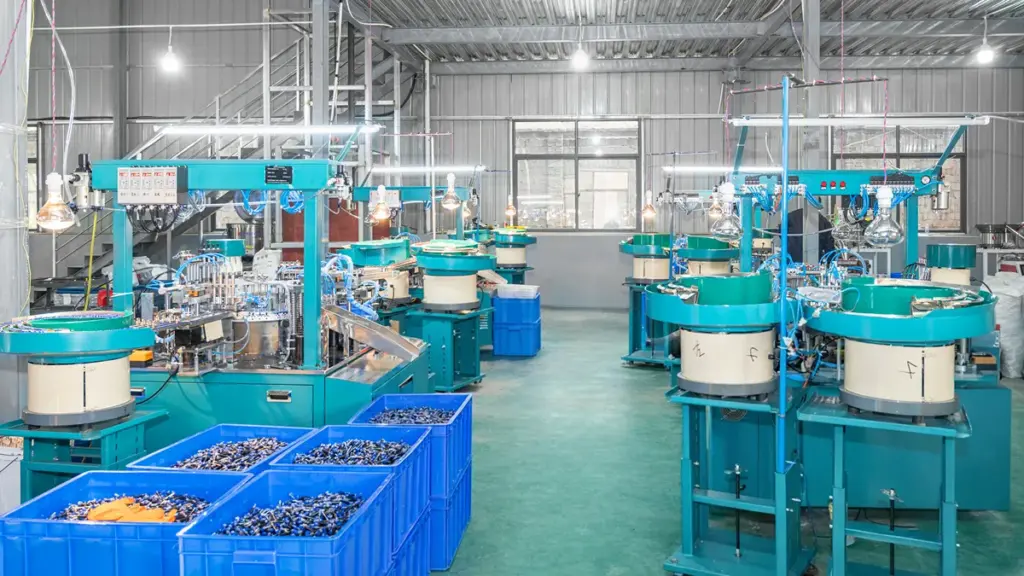
Most modern Cross writing instruments, including mainstream collections like the Century II and Townsend, originate from China. The brand does not rely on generic outsourced pen factories to build its core products.
Instead, production takes place in a dedicated manufacturing facility controlled directly by Cross. This setup ensures strict oversight over every component. By shifting volume production overseas, the company effectively manages manufacturing costs and supports global distribution. All design work and brand heritage management remain firmly anchored at the US headquarters in Rhode Island.
Historical Production Sites in the US and Ireland
For most of its history, Cross manufactured its pens in Rhode Island. Operations started in Providence before moving to Lincoln, which still serves as the corporate headquarters today. As the brand expanded globally, it opened a secondary manufacturing plant in Ballinasloe, Ireland, In 1973. This facility supplied the European market for nearly three decades before closing in late 2000. Oggi, Cross has completely discontinued regular volume production in both North America and Ireland to consolidate its manufacturing footprint overseas.
Custom Finishing for Presidential and Special Edition Pens
Cross does not rely solely on overseas plants for its most prestigious orders. The company utilizes a hybrid production model for high-profile items, including the pens used to sign US presidential executive orders. The base components for these ceremonial pens are manufactured in China, but the specialized customization happens in New England. Technicians handle the final engraving, assemblaggio, and finishing processes in the US. This split approach guarantees the brand meets the strict protocols and security standards required for heads of state.
Accessory Production and Global Quality Control
The brand’s expansion into lifestyle accessories follows a similar global supply chain. Cross wristwatches, leather goods, and desk accessories are primarily manufactured in Asia, with all design work controlled from the US. To protect its premium market position, Cross enforces aggressive quality control across every facility.
- Inspection protocols: Each writing instrument undergoes a minimum of 120 individual inspection steps during assembly.
- Durability testing: Penne in metallo endure multiple drop tests from three feet across varying orientations to check mechanical strength.
- Finish assessments: Surfaces face up to 100 hours of aggressive testing to verify corrosion resistance and colorfastness.
These mandatory physical assessments ensure the writing instruments deliver consistent reliability and premium tactile feel, regardless of their exact country of manufacture.
Cross Brand History and Production Shifts
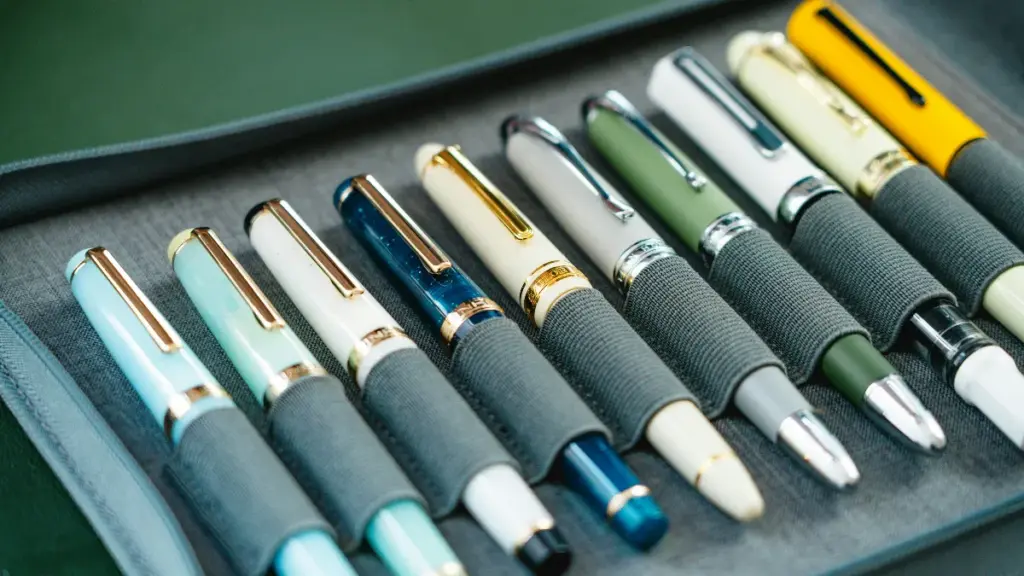
Cross transformed from a 19th-century Rhode Island jeweler to a global manufacturer by shifting volume production overseas while retaining American design and quality control.
Tracking the Cross brand history and production shifts requires looking past a simple origin stamp. For over a century, the A.T. Cross Company dominated domestic fine writing instrument production, but shifting global economics eventually forced leadership to redesign the entire supply chain.
Early Origins and American Heritage
The A.T. Cross Company did not start out making pens. Richard Cross, a jeweler by trade, founded the business in 1846 in Providence, Rhode Island. Early production focused entirely on crafting ornate gold and silver casings for wooden pencils. His son, Alonzo T. Cross, quickly steered the operations toward mechanical innovation. Di 1876, Alonzo secured the company’s first U.S. patent, laying the groundwork for early stylographic pens and modern mechanical pencils.
Corporate Evolution and Ownership Transitions
The Cross family eventually handed over control to a rising internal star. In 1915, top salesperson Walter Boss purchased the company, launching a decades-long era of Boss family leadership. Under their direction, the brand scaled aggressively and established a massive footprint in the executive gifting space. The company transitioned into a public entity in 1971 to bankroll international expansion. At its peak, Cross held a commanding grip on domestic sales, controlling roughly 40% of the U.S. fine writing instruments market.
Product Diversification in a Changing Market
The 1990s brought severe headwinds as the rapid adoption of digital communication directly threatened premium pen sales. To survive the shifting landscape, Cross expanded its catalog far beyond writing instruments to include new lifestyle and executive categories:
- Leather Goods: Premium portfolios, pen cases, and wallets.
- Timepieces: Branded watches designed for the corporate gifting sector.
- Business Accessories: Desk accessories, key rings, and money clips.
Alongside these new product lines, the company introduced multiple price tiers and licensed designs. This strategy captured younger demographics and penetrated broader corporate gifting budgets.
Transition to a Global Manufacturing Network
For decades, a 155,000-square-foot facility in Lincoln, Rhode Island served as the anchor for all manufacturing operations. Facing intense cost pressures from international competitors, leadership made the difficult decision to restructure the supply chain. Cross gradually shifted away from concentrated domestic manufacturing toward a multi-country production model. Oggi, the company outsources high-volume assembly to dedicated overseas facilities. Even with this shift, the U.S. headquarters still controls all core product design, brand management, and rigorous quality control standards.
Modern Origin Labeling and Brand Identity
Cross actively markets its Rhode Island roots and American heritage across current advertising campaigns. Because production happens globally, the company adheres strictly to international trade regulations. Products feature specific “Made in [Country]” labels based on where the final assembly takes place. The A.T. Cross Company now operates as a highly optimized global pen manufacturer, distributing fine writing instruments and executive accessories to buyers in over 100 countries.
Premium Custom Gifts with 100-Unit MOQ
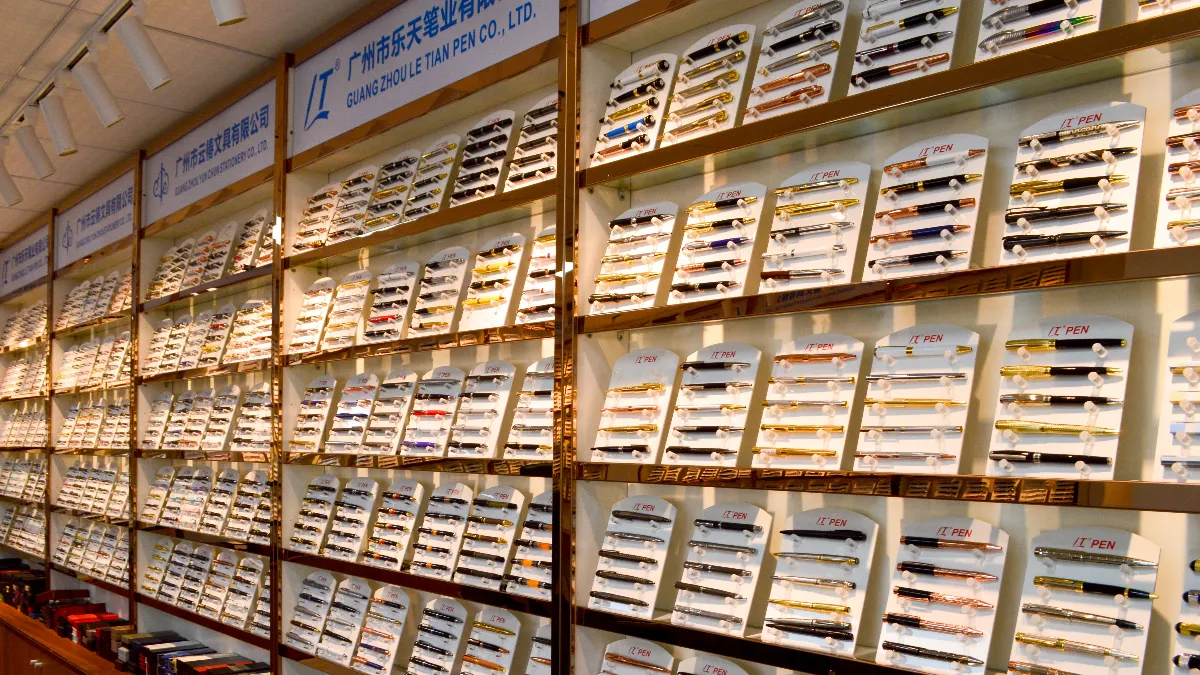
Cross Pen Lines and Possible Manufacturing Regions
Cross balances American heritage with modern global manufacturing. High-volume pens originate from company-managed Asian facilities, while select premium and presidential models retain distinct New England assembly.
Classic Century and Century II
Buyers sourcing vintage Classic Century pens from the mid-to-late 20th century will primarily find models manufactured in Rhode Island or Ireland. Oggi, A.T. Cross manufactures modern iterations of the Classic Century and the slightly larger Century II predominantly in China. The brand maintains direct management over this current production to ensure strict design consistency and mechanical quality across the entire global supply chain.
Townsend and Peerless Lines
The Townsend and Peerless lines anchor the brand’s premium, executive-level flagship collections. The original Peerless fountain pens and early Townsend models rolled off assembly lines in the United States. Contemporary production operates in Asia, where the company enforces heightened quality assurance standards to handle the premium materials, precious metals, and intricate finishes demanded by this specific market tier.
Bailey, Calais, and Mid-Range Collections
Cross targets the Bailey, Calais, and mid-range collections at high-volume consumer segments. These collections specifically supply:
- Accessible Gifting: Affordable premium options for corporate events and personal milestones.
- Office Supply: Reliable daily writers optimized for professional environments.
- Everyday Writing Markets: Entry-level retail pens built for longevity and mass distribution.
Cross manufactures these collections efficiently in high-volume Chinese facilities owned or managed directly by the brand. Entry-level promotional variations follow similar production routes, with regional distribution hubs handling final logo printing and corporate customization before final delivery.
Special Editions and Presidential Pens
Cross reserves specific manufacturing protocols for its most prestigious writing instruments. The company allocates these specialized units for:
- Diplomatic Gifts: Customized presentation pieces tailored for foreign dignitaries.
- Political Institutions: Official writing tools for top-tier government agencies.
- NOI. Presidential Bill Signings: Traditional ceremonial pens used historically in the Oval Office.
While the base components for these special editions frequently originate from standard international production lines, final assembly remains entirely domestic. Craftsmen perform the precise finishing, custom engraving, and meticulous quality control in New England to maintain brand prestige and adhere to stringent institutional requirements.
What Materials Are Used in Modern Cross Pens?
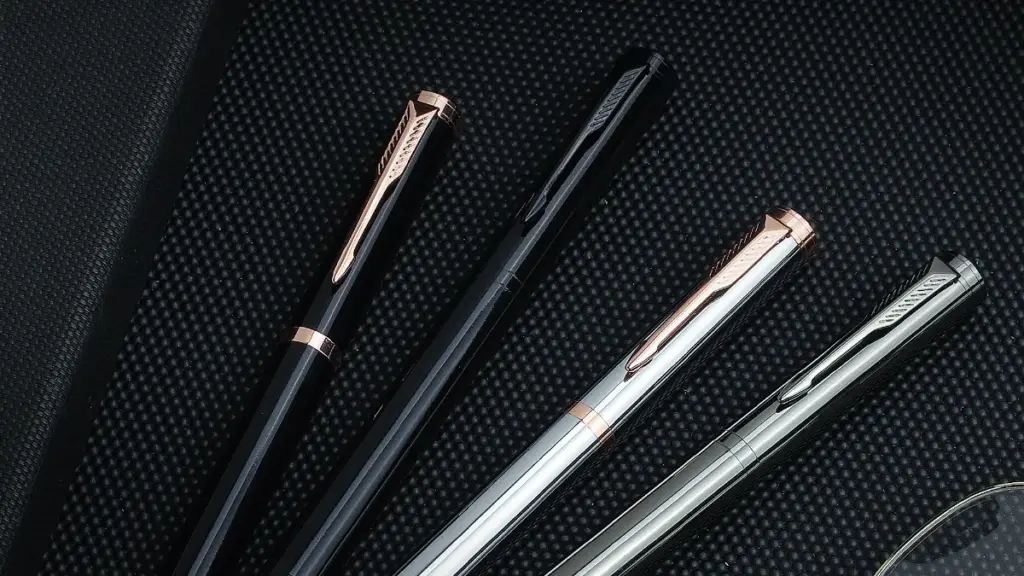
Modern Cross pens combine traditional metals like brass and sterling silver with advanced finishes like PVD coatings and multi-layer synthetic lacquers for lasting durability.
Base Materials for Barrels and Caps
Cross prioritizes metal-bodied construction across most product lines to ensure structural integrity and a substantial feel in the hand. The core materials vary based on the specific design requirements and market positioning of each model.
- Brass: Serves as the primary core tube for most mid-range models, offering ideal weight balance and excellent machinability for precise threading.
- Sterling Silver: Solid .925 sterling silver is utilized for premium collector lines, providing a heavier, luxurious feel compared to standard base metals.
- Stainless Steel and Anodized Aluminum: Applied in contemporary designs to deliver durable, lightweight structural alternatives.
- High-Grade Resins: Impact-resistant plastics function as the main body for lighter pens or as ergonomic grip sections in hybrid constructions.
Nib and Tip Components
The functional writing point requires specialized alloys that can handle constant paper friction and ink exposure without degrading over time.
- Fountain Pen Nibs: Standard fountain pens feature corrosion-resistant stainless steel nibs welded with hard-wearing iridium-family alloy tipping. Top-tier flagship models incorporate 14k or 18k gold nibs for subtle elasticity and enhanced corrosion resistance.
- Ball Tips: Rollerball and ballpoint tips rely on hard tungsten carbide or stainless steel balls to maintain structural integrity under heavy writing pressure.
- Tip Housings: Precision-formed brass or steel housings tightly secure the rolling ball mechanisms to prevent ink leakage.
Surface Finishes and Protective Coatings
Exterior coatings define the visual identity of the pen while protecting the underlying base metals from environmental wear and tarnishing.
- Synthetic Lacquers: Multi-layer synthetic lacquers add visual depth while shielding the underlying brass from scratches and daily wear.
- Electroplating: Electroplated mirror-polished chrome and 23-karat gold create the classic, high-gloss finish closely associated with the brand.
- Rivestimenti PVD: Modern collections increasingly utilize highly abrasion-resistant Physical Vapor Deposition (PVD) coatings to achieve durable gunmetal or black aesthetics.
Trim Elements and Internal Mechanisms
Small exterior details and internal moving parts require resilient materials to survive repetitive stress and support the brand’s mechanical guarantees.
- Clips and Bands: Clips, rings, and end caps are stamped from resilient brass or steel before receiving specialized plating treatments.
- Actuation Systems: Twist and click mechanisms integrate brass or steel cams for longevity, utilizing engineering plastics in sections where weight reduction is necessary.
- Aesthetic Details: High-end decorative details include colored enamel inlays, laser engraving, and traditional engine-turned guilloché patterns cut directly into the metal.
Does the Manufacturing Location Affect Cross Pen Quality?
Cross standardizes quality control globally, ensuring functional consistency across all locations. Yet, collectors often prefer vintage USA or Ireland models for their premium finishes and historical prestige.
Global Quality Assurance Standards
Cross refuses to let geography dictate baseline functionality. The company executes the exact same testing protocols whether a pen rolls off an assembly line in Rhode Island or a dedicated facility in China.
- Inspection volume: Each writing instrument must pass at least 120 individual inspections during the assembly process.
- Durability metrics: Mandatory testing includes rigorous drop testing and up to 100 hours of finish durability checks to prevent corrosion.
- Component engineering: Core parts like nibs and internal twist mechanisms conform strictly to the specifications established at the Rhode Island headquarters.
By centralizing these internal metrics, Cross guarantees the mechanical reliability of the pen remains identical regardless of its stamp of origin.
User Perceptions and Collector Preferences
While the engineering specs remain static, the pen enthusiast community often draws sharp distinctions based on origin. Collectors actively hunt for vintage models stamped “Made in USA” O “Made in Ireland” because they associate these runs with a specific era of brand prestige.
- Legacy craftsmanship: Older Western-made models frequently exhibit tighter mechanism tolerances and highly consistent metal plating.
- Modern reliability: Current China-made versions deliver solid everyday performance, though some users report occasional minor cosmetic variances in the lacquer or trim.
- Writing consistency: The actual writing experience for ballpoints and rollerballs stays identical across all eras, as every pen uses the same standardized Cross refills.
Functional output rarely changes, but the tactile feel and visual finish of an older domestic model often carry a higher perceived luxury value in the secondary market.
Structural Factors That Influence Output
Manufacturing location does not inherently degrade quality, but structural realities in the supply chain certainly shape the final product. Long-tenured manufacturing facilities build up decades of tacit knowledge. Workers in these plants master the subtle arts of manual polishing and intricate mechanism assembly over years.
- Production focus: Offshore facilities typically handle high-volume, mid-range lines built to meet strict retail cost constraints.
- Supply chain scale: Geographically dispersed component sourcing can introduce slight material variances compared to a tightly localized factory floor.
- Product tiering: Perceived quality differences usually stem from specific model tiering and pricing strategies rather than the geography alone.
When Cross targets the accessible corporate gift market, they adjust materials and assembly times to fit the budget. The country of origin simply reflects that broader business strategy.
How to Identify the Origin of Your Cross Pen
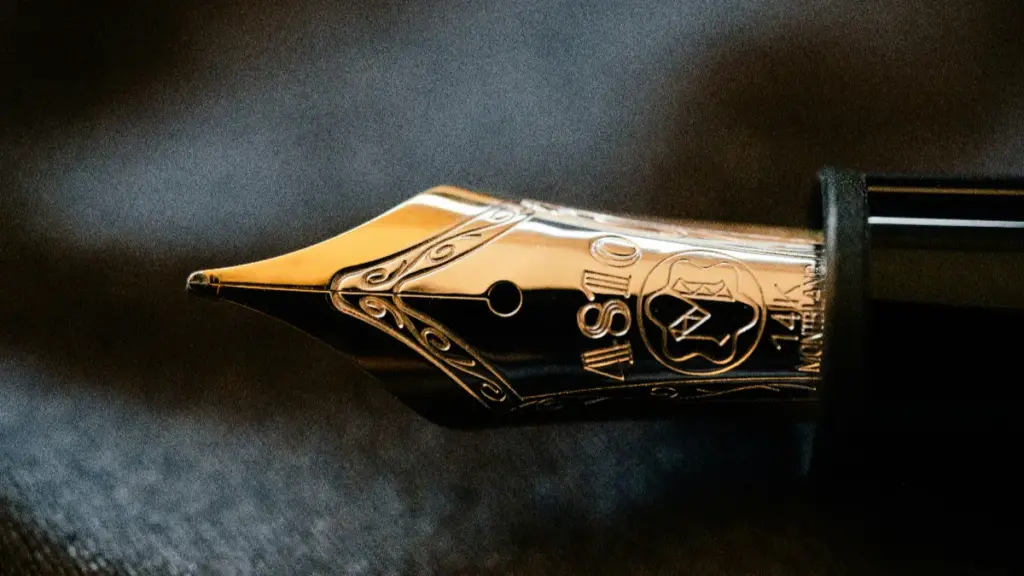
Identify a Cross pen’s origin by separating its American brand heritage from its manufacturing location. Inspect physical markings, packaging details, and historical model specifications to confirm provenance.
Understand the Difference Between Brand and Manufacturing Origin
Start by separating the brand’s history from the physical production line. Richard Cross founded the company in 1846 in Providence, Rhode Island, firmly establishing its historic U.S. brand origin. Oggi, a specific pen model might feature American design while international facilities handle the actual manufacturing.
Vintage pens frequently come from U.S. factories, representing the brand’s earlier domestic era. Modern collections utilize a broader global manufacturing footprint to meet production demands.
Locate Physical Markings on the Pen Body
Physical inspection offers the most direct proof of provenance. You should inspect the pen barrel near the threads, the cap band, and the underside of the clip for stamped country names.
- Vintage Indicators: Older Cross pens often feature faintly engraved “Made in U.S.A.” text in these specific locations.
- Modern Markings: Newer models display laser-etched markings or discrete regulatory labels indicating production in countries like China, Giappone, or Taiwan.
Check Original Packaging and Documentation
The original box, outer sleeve, or warranty card is typically the most reliable source for country-of-origin details. This packaging lists importer information, batch codes, and the precise manufacturing location.
You must often rely on this documentation because many modern Cross pens omit barrel engravings entirely, making the outer sleeve your primary identification tool.
Match the Model to Historical Production Eras
Identifying the exact model helps pinpoint its production era. Determine if the pen belongs to early lines like the 1946 Classic Century or later families like the 1993 Townsend.
You can compare the finish codes, clip styles, and physical proportions against archived Cross catalogs and product pages. Earlier U.S. production signatures include slim cylindrical profiles, conical tops, and jewelry-inspired gold finishes.
Account for Mixed-Origin Sets and Standardized Components
Component analysis adds another layer of verification. Fountain pen nib imprints provide clues, but modern replacement parts often carry a different origin than the main pen body.
Gift sets frequently feature mixed origins, where the manufacturer sources the pen, mechanical pencil, and packaging from entirely different countries. When evaluating a piece, remember that authentic factory marks and original boxes hold significantly more value for collectors than third-party seller descriptions.
Key Differences: US-Made vs. China-Made Cross Pens
Cross maintains strict global quality standards, but collectors often distinguish vintage US production by thicker plating, softer gold tones, and higher secondary market value.
| Caratteristica | US-Made Vintage Cross | Modern China-Made Cross |
|---|---|---|
| Collectibility | Alto | Moderare |
| Availability | Limited | Widely available |
| Manufacturing Cost | Higher | Lower |
| Design Consistency | Varies by age | Highly standardized |
| Warranty Support | Depends on model | Usually covered |
Markings and Identification
Pinpointing the origin of a Cross pen starts with a quick inspection of the barrel or cap. Vintage and legacy models produced in North America prominently feature “CROSS USA” stamped directly into the metal. When the brand expanded its European operations before full offshoring, they produced models bearing “CROSS IRELAND” engravings. Oggi, Chinese production lines keep the physical pen markings minimal. You will generally see a simple “CROSS” stamp on modern models, with the specific country of origin printed on the retail packaging or warranty card rather than the pen body.
Aesthetic Details and Finishes
Side-by-side visual comparisons reveal subtle shifts in plating tones between production eras. Cross specifies identical standards for its factories, but regional material sourcing creates minor variances.
- Gold Tone: China-made models, like the modern Classic Century, display a slightly more yellow tone. Vintage US models feature gold trim with a softer appearance.
- Plating Thickness: Older US and Irish pens historically utilized thicker plating and heavy lacquer, contributing to their reputation for extreme longevity.
- General Polish: Engraving crispness, lettering alignment, and the overall smoothness of the barrel remain highly comparable across all manufacturing locations.
Build Quality and Functional Performance
Enthusiasts and daily users report little practical difference in day-to-day build quality. Modern Chinese production runs maintain strict tolerances, ensuring barrels, caps, and clips fit together properly. The signature twist mechanisms on ballpoints function smoothly regardless of where the factory sits.
Some collectors perceive a denser, more solid feel and smoother threading in vintage US models. This remains a highly subjective observation. Actual writing performance relies entirely on the refill cartridge. Cross engineered its ballpoint, roller, and fountain pen refills to be fully interchangeable across all production eras, meaning a new Chinese-made pen and a 1980s US-made pen write identically if they hold the exact same ink cartridge.
Market Positioning and Value
The shift to Asian manufacturing allowed Cross to survive a highly competitive writing instrument industry. Offshore production keeps costs controlled, enabling the brand to retain its metal-bodied construction and premium gift packaging at accessible mid-range price points. This positions the modern China-made models perfectly for the corporate mass market and everyday office use.
Conversely, US-made and Irish-made pens represent the brand’s heritage era. These models hold higher collectible value on secondary markets. Buyers actively seek out these vintage pieces for their historical significance, perceived solid construction, and direct link to the company’s Rhode Island origins.
What Buyers Should Verify Beyond Brand Origin
A “Made in USA” assumption can lead to costly procurement mistakes; buyers must validate exact model origins, materiali, and authorized channels to ensure true value.
Exact Manufacturing Location by Model
Cross operates a global supply chain, meaning production locations shift based on the specific collection and generation. Procurement teams and collectors cannot rely solely on the brand’s Rhode Island heritage to determine where a pen was made.
You must inspect the physical pen markings, check the box labeling, and review the detailed product specifications. The facility that engineers the pen design frequently differs from the plant handling final assembly and finishing.
Seller Authenticity and Distribution Channels
Buying through authorized retailers or established marketplaces is the only way to guarantee traceable inventory. Counterfeiters often target legacy brands, slipping fake products into gray-market distribution channels.
You need to perform strict authenticity checks before finalizing a purchase:
- Branding quality: Inspect the logo crispness, engraving depth, and overall alignment.
- Serial numbers: Verify any tracking codes or specific model identifiers against manufacturer records.
- Packaging inserts: Ensure the correct warranty cards and instructional manuals accompany the pen.
Listings that show unusually low pricing or omit origin disclosures carry a significantly higher risk of delivering counterfeit products.
Material Specifications and Build Execution
The country of origin does not dictate the physical quality of the pen. You must evaluate the raw materials and mechanical tolerances specific to the model tier.
Examine the exact build components:
- Barrel materials: Check if the core utilizes solid brass, high-grade resin, or stainless steel rather than cheap plastics.
- Surface finishes: Look for multi-layer lacquer or durable electroplated metals that resist daily wear.
- Nib execution: Confirm the presence of hard-alloy tipping or gold components for fountain pens.
Premium pricing must align directly with the actual fit, finish, and mechanism quality, rather than resting entirely on the Cross brand reputation.
Refill Formats and Parts Availability
A pen’s long-term usability depends entirely on refill compatibility and market availability. Before purchasing, confirm whether the specific model requires proprietary Cross refills or accepts standard international formats.
You need guaranteed access to the necessary ballpoint, roller, or fountain pen cartridges. A high-quality barrel loses all value if the ink system becomes obsolete or impossible to source in your region.
Warranty Terms and After-Sales Support
Clear repair and replacement policies add significant value to fine writing instruments, regardless of the factory location. You need to determine the exact coverage scope to protect the investment.
Verify the following warranty variables:
- Coverage provider: Determine if the pen falls under a direct manufacturer warranty, a specific retailer policy, or a third-party replacement program.
- Proof of purchase: Check if the policy strictly requires a receipt from an officially authorized dealer to remain valid.
- Regional validity: Ensure the after-sales support applies to your specific geographic location to avoid massive international shipping fees for basic repairs.
Why Letian Gifts Is Your Reliable Custom Pen Manufacturer
Letian Gifts bridges the gap between high-volume corporate promotional needs and mid-market heritage brand quality, offering end-to-end custom pen manufacturing with strict QC and scalable capacity.
End-to-End Custom Pen Production
Building a custom pen program requires more than just stamping a logo on a blank barrel. Letian Gifts manages the complete manufacturing cycle, taking your project from concept design and custom tooling all the way to final assembly and packaging.
We produce a diverse range of writing instruments designed to match the weight, specifications, and tactile feel of mid-market heritage brand gift lines. Our facility supports advanced customization techniques to align exactly with your corporate identity:
- Precision Printing: Multi-color pad printing for complex logos and detailed artwork.
- Incisione laser: Sharp, permanent marking on metal barrels and clips.
- Color Matching: Pantone-matched finishes for exact brand integration.
Comprehensive Quality Control Systems
Consistent quality at scale requires a structured oversight process. We implement a rigorous, three-stage quality control system to catch and resolve issues before products leave the factory floor.
- Incoming Material QC: We inspect all raw materials upon arrival, verifying standard plating thickness and ensuring refill components meet strict performance benchmarks.
- In-Line Inspections: Our technicians monitor the printing and assembly stages to immediately identify and correct aesthetic or mechanical defects.
- Final Functional Testing: Every batch undergoes physical testing to verify smooth click action, secure cap fit, and consistent writing performance.
Cost-Efficient and Scalable Manufacturing
Sourcing custom pens often forces buyers to choose between premium quality and strict budget limits. Letian Gifts leverages an established, localized component-supplier ecosystem to reduce overall labor and material costs. This geographic advantage allows us to deliver high-quality promotional and corporate pens at highly competitive price points, especially when compared to importing fully branded legacy pens.
Our production lines feature rapid setup capabilities engineered specifically for complex operations. We easily handle large-volume batch runs and intricate multi-SKU orders without sacrificing turnaround speed or product consistency.
Reliable Supply Chain and Pre-Production Support
A delayed corporate gift campaign is a failed campaign. We maintain stable production lead times, typically fulfilling orders within 10 A 30 days immediately following artwork approval.
We structure our operations to accommodate diverse buyer needs, offering flexible Minimum Order Quantities (MOQ). Whether you need short runs utilizing digital print or high-volume orders requiring custom molds, our team provides full pre-production support:
- Artwork Guidance: Expert technical review to ensure your logos translate perfectly to the curved surface of a pen.
- Digital Proofs: Exact digital mockups to confirm layout and scale before manufacturing begins.
- Physical Samples: Pre-production physical samples to guarantee exact brand alignment and finish quality.
Whether you want a classic brass pen inspired by Cross or a complete branded gift set, we can turn your concept into a market-ready product.
Considerazioni finali
Cross remains a trusted American writing brand, but most of its modern pens are manufactured in China. This is standard practice in today’s global pen industry.
Per gli acquirenti B2B, the most important factors are not simply where a pen is made, but how it is engineered, finished, customized, and delivered.
If you are looking for premium custom pens or executive gift sets that combine elegant design with dependable factory support, contact Le-tian Gifts to discuss your next project.
Domande frequenti
Are Cross pens still made in the USA?
Most modern Cross pens are manufactured in China, not the United States. A.T. Cross founded its business in Rhode Island in 1846, but high-volume production eventually shifted overseas to control manufacturing costs. The company still handles limited, specialized work in New England. Per esempio, they assemble and engrave custom ceremonial pens used by U.S. presidents. If you want a genuinely USA-made Cross pen today, you need to buy vintage models from the secondary market.
Is Cross a luxury pen brand?
Cross operates squarely in the accessible luxury segment of the fine-writing market. The brand sits above everyday consumer plastics but below ultra-premium boutique houses. Buyers value Cross for its heritage, jewelry-grade metal finishes, and mechanical longevity. This positioning makes the brand a traditional favorite for executive awards, corporate milestones, and graduation gifts.
What is the quality of Cross pens made in China?
Cross facilities in China produce solid, reliable pens built for daily professional use. These pens strictly follow the brand’s central design specifications, featuring sturdy brass barrels and standard Cross twist mechanisms. Vintage collectors sometimes note that older US-made pens had slightly thicker plating. Yet, modern Chinese-manufactured Cross pens deliver excellent functional performance and carry the exact same lifetime mechanical warranty.
How can you tell a real Cross pen?
Authentic Cross pens feature sharp, perfectly aligned brand engravings and uniform metal finishes without bubbling or flaking. The internal twist or click mechanisms operate smoothly without gritty grinding. The most reliable test is refill compatibility. Genuine Cross ballpoint or rollerball refills fit perfectly without rattling or requiring physical modification. Always ensure the pen arrives in official branded packaging from an authorized retailer.
Do Cross pens have a lifetime warranty?
Cross backs most of its writing instruments with a lifetime mechanical guarantee. This policy covers internal mechanism failures and structural defects occurring under normal use. It does not cover consumables like ink cartridges, rollerball refills, or pencil leads. The warranty also excludes cosmetic wear, external scratches, and damage caused by dropping or misusing the pen.
Which is better, Parker or Cross?
The right choice depends entirely on your writing habits. Cross dominates the executive gifting space. It provides classic, elegant metal designs with reliable mechanical actions. Parker excels if you prioritize a rich history in fountain pen engineering, a wider variety of everyday writing styles, and a broader spectrum of price points.