Zum Inhalt springen



Choosing the right notebook size is an important decision for businesses, Schulen, retailers, and promotional gift buyers. Notebook dimensions influence not only the user experience but also paper usage, printing options, Verpackung, shipping costs, and final product pricing.
For companies sourcing individuelle Notizbücher, understanding global notebook size standards helps you select the best format for your target customers and sales channels. Whether you are creating branded notebooks for corporate gifts, retail collections, employee kits, or promotional campaigns, the right size can improve both usability and market appeal.
As a notebook and corporate gift manufacturer, Letian-Geschenke supports customized notebook solutions with different sizes, Materialien, printing methods, and packaging options to meet various business requirements.
This guide explains common notebook sizes, global standards, production considerations, and how buyers can choose the best format for different markets.
Notebook Sizes Explained With Global Standards
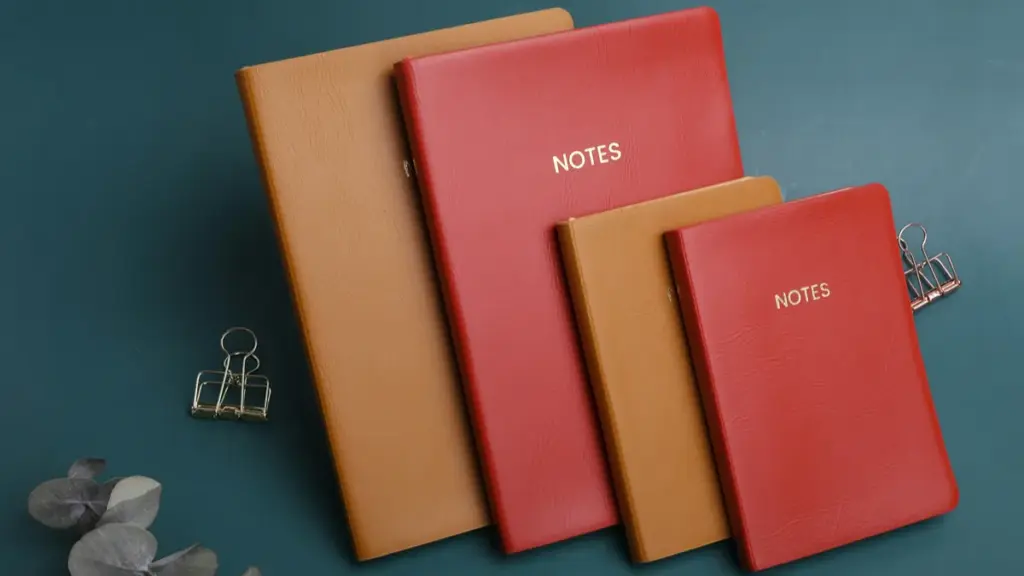
Selecting correct notebook sizes prevents raw material waste in manufacturing and ensures perfect alignment with regional filing and distribution systems.
Are you struggling to choose between different notebook sizes for your next product line or corporate order? Designing or buying without understanding standard dimensions risks high printing waste and poor shipping yields.
| Notebook Size | Standard System | Dimensions (mm) | Dimensions (In) | Common Uses |
|---|---|---|---|---|
| A4 | ISO 216 | 210 × 297 | 8.3 × 11.7 | Business reports, technical notes, presentations, large planners |
| A5 | ISO 216 | 148 × 210 | 5.8 × 8.3 | Corporate notebooks, Zeitschriften, meeting notes, daily planning |
| A6 | ISO 216 | 105 × 148 | 4.1 × 5.8 | Pocket notebooks, travel journals, promotional giveaways |
| A7 | ISO 216 | 74 × 105 | 2.9 × 4.1 | Memo books, quick notes, small promotional items |
| B5 | ISO 216 | 176 × 250 | 6.9 × 9.8 | School notebooks, Planer, professional writing |
| B6 | ISO 216 | 125 × 176 | 4.9 × 6.9 | Personal journals, diaries, compact notebooks |
| B7 | ISO 216 | 88 × 125 | 3.5 × 4.9 | Pocket journals, compact gift notebooks |
| US Letter | ANSI A | 216 × 279 | 8.5 × 11 | US office documents, education, professional notes |
| Junior Legal Pad | US Standard | 127 × 203 | 5 × 8 | Business notes, legal-style writing, portable office use |
| Custom / Regional | 89 × 140 | 3.5 × 5.5 | Travel notebooks, sales notes, Werbegeschenke | |
| Passport Size | Traveler Format | 90 × 125 | 3.5 × 4.9 | Travel journals, personal notebooks, leather notebooks |
| Square Notebook | Custom | 140 × 140 / 150 × 150 | 5.5 × 5.5 / 5.9 × 5.9 | Creative journals, premium gifts, design notebooks |
| Custom OEM Size | Custom Manufacturing | Based on Project Requirements | Based on Project Requirements | Brand collections, Werbekampagnen, special applications |
For businesses ordering custom notebooks in bulk, standard sizes such as A5, B5, and A6 usually provide the best balance between production efficiency and market acceptance. Jedoch, Letian Gifts also supports customized notebook dimensions for unique branding projects, retail collections, and promotional campaigns.
ISO 216 International Paper Standards
The ISO A-series serves as the global baseline for notebooks. This system utilizes a square-root-of-two aspect ratio. Folding a sheet of paper perfectly in half along the shorter side yields the next size down, guaranteeing consistent scaling for printing and binding layout.
- A5 Standard (148 x 210 mm): Represents the most popular medium journal format globally, balancing daily portability with sufficient layout space for standard handwriting.
- ISO B-Series: Offers intermediate steps between standard A sizes to deliver a gradual progression in page area.
- B5 Dimensions (176 x 250 mm): Acts as a common size for school composition notebooks and larger project diaries.
- B6 Dimensions (125 x 176 mm): Serves as a popular medium pocket format that balances portability with regular writing needs.
North American and ANSI Standards
In the United States and Canada, notebooks match traditional office and academic layouts instead of international standards. These products require different binding and sheet dimensions to fit North American storage files, folders, and ring binder systems.
- US Letter (8.5 x 11 inches): The dominant full-size notebook standard in schools and offices, matching the primary footprint of local copying and printing machines.
- US Legal (8.5 x 14 inches) & Ledger (11 x 17 inches): Provide expansive canvas areas for specialized ledger sheets, architectural drafts, or legal pads.
- Half-Letter (5.5 x 8.5 inches): A highly portable format functionally similar to A5, dominant in US loose-leaf planner refills.
- Junior Legal (5 x 8 inches): Narrow pad format used heavily in corporate meetings and immediate service environments.
Common Non-Standard, Pocket, and Traveler Formats
Many retail lines create proprietary or custom form factors that target specific active lifestyles or specialty traveler setups. These formats typically prioritize visual distinction and specific containment requirements over universal paper-size compliance.
- Pocket Notebooks (3.5 x 5.5 inches): Mimic the classic Field Notes style, optimized for everyday carry in back pockets or bags for rapid idea capture.
- Traveler’s Notebook (110 x 210 mm): Utilizes a slim, narrow aspect ratio designed to slip neatly into travel wallets and modular protective covers.
- Modified Brand Sizes: Premium manufacturers tweak standard sizes to create proprietary form factors like Master A4+ or Paperback B6+ to accommodate oversized page edges or plastic file envelopes.
A Series Sizes Used in Office and Retail

Standardizing your print and product lines on ISO A-series dimensions eliminates production waste, simplifies international distribution logistics, and ensures perfect compatibility with global retail displays and office accessories.
The A series is the most recognized notebook size system in global markets. Many office stationery products, Planer, Zeitschriften, and corporate notebooks are designed around these dimensions.
A4 Notebook: Large Format for Professional Applications
A4 notebooks are mainly used when users need extensive writing space. They are common in:
- Business meetings
- Training programs
- Technical documentation
- Academic research
- Project planning
Because of the larger page area, A4 notebooks provide more room for diagrams, tables, sketches, and detailed notes.
Jedoch, they are heavier and require more material, which can increase production and shipping costs.
A5 Notebook: The Most Popular Business Size
A5 is often the preferred notebook size for Firmengeschenke and office use.
Its advantages include:
- Comfortable writing area
- Easy portability
- Suitable for handbags and backpacks
- Cost-effective production
- Wide market acceptance
Many companies choose A5 notebooks for:
- Employee onboarding kits
- Conference giveaways
- Customer gifts
- Promotional campaigns
- Business stationery collections
A5 Power Bank Notebooks: Combining Writing and Smart Features

As corporate gifting continues to evolve, many businesses are looking for notebook products that provide more value than traditional stationery. A5 Powerbank-Notebooks combine the everyday usefulness of a notebook with built-in charging functionality, making them suitable for modern professionals.
Compared with standard notebooks, power bank notebooks offer an additional technology feature that is especially useful for users who attend meetings, travel frequently, or work in mobile environments.
You wanna know what power bank notebooks is? Read our blog here.
Common applications include:
- Corporate executive gifts
- Technology company promotional items
- Conference and event gifts
- Employee welcome packages
- Premium business stationery sets
Le-tian Gifts offers customized power bank notebooks with options for different cover designs, logo printing, notebook layouts, and packaging solutions. By combining practical writing functions with charging capability, these products help brands create memorable corporate gifts that customers can use every day.
A6 Notebook: Compact and Promotional-Friendly
A6 notebooks are designed for users who need quick notes anywhere.
They are commonly used as:
- Travel notebooks
- Pocket journals
- Event giveaways
- Retail impulse products
Their smaller size reduces material usage, making them suitable for large-volume promotional orders where budget control is important.
Werten Sie Ihre Marke mit individuellen Premium-Geschenken auf
B Series and Pocket Formats for Different Uses

While the A series dominates global notebook production, B series sizes are also widely used, especially in professional stationery and premium notebook markets.
The B series provides sizes between A formats. This makes B notebooks useful when users need more writing space than A5 but less bulk than A4.
B5 Notebook: A Popular Choice for Students and Professionals
B5 is slightly larger than A5, making it attractive for users who want extra writing space without carrying a large notebook.
It is commonly used for:
- School notebooks
- Study planners
- Work journals
- Creative writing notebooks
For educational markets, B5 notebooks are especially popular because students can write longer notes while keeping the notebook portable.
Pocket Notebook Sizes
Pocket notebooks are usually smaller than A6 and designed for mobility.
They are often selected for:
- Sales teams
- Field workers
- Travel users
- Promotional gifts
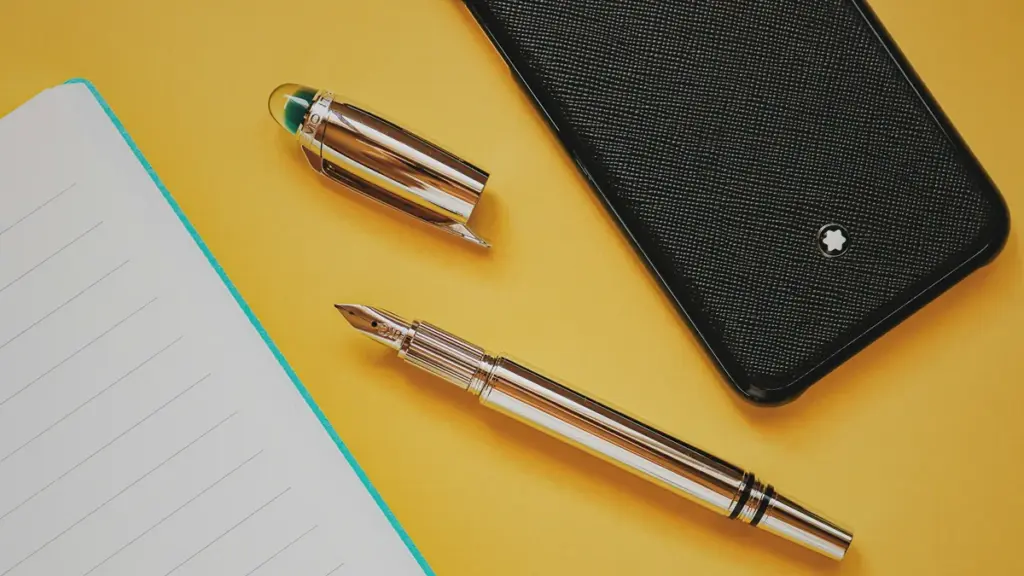
For brands creating giveaway products, pocket notebooks combined with branded pens create practical gift sets that customers can use every day.
Size Affects Writing Space Shipping and Unit Cost

Notebook dimensions dictate both user writing experience and supply chain profitability, directly scaling paper weight, freight volume, and manufacturing waste.
How does a minor tweak in cover dimensions impact a bulk production run’s bottom line? Navigating how size affects writing space shipping and unit cost is a critical first step when designing an OEM product catalog. Choosing a non-standard size often leaks profit through bad shipping density and wasted paper.
Standard Notebook Sizes and Usable Writing Area
International standards like ISO 216 and North American formats define the primary footprint for page layouts. Because these systems use mathematical scaling, they set reliable baselines for page space.
- A4 Format: Offers roughly 62,370 mm² of page area.
- A5 Format: Provides approximately 31,080 mm² (exactly half of A4).
- A6 Format: Scales down to 15,540 mm² (half of A5).
Custom dimensions shift both physical footprints and functional surfaces. While a standard size allows clean page scaling, custom modifications shrink actual usable space. Margins and binding styles reduce written area further. In pocket formats, the binding mechanism consumes a larger relative percentage of the page width.
Impact of Size on Usability and Page Layout
Different sizes serve specific functional roles based on page layouts and user environments. Matching size to the intended application ensures long-term user satisfaction.
- Large Formats (A4, US Letter): Best for dense note-taking, multi-column layouts, and complex diagrams. They reduce page-turn frequency.
- Medium Formats (A5, B6): The standard for daily planners and journals. They offer a reliable compromise between portability and active page area.
- Pocket Formats (A6, B7): Constrain writing to quick lists and short reminders, but maximize physical carry comfort.
Choosing standard sizes allows page layouts to remain readable. If you over-compress a grid layout onto a small footprint, you make the lines virtually unusable for typical handwriting.
Shipping Weight, Volume, and Carton Efficiency
Logistics costs depend heavily on the physical space a product occupies. Paper density and dimensions dictate container loading configurations.
- Paper Mass: Scales linearly; an A4 notebook weighs nearly twice as much as an A5 model with identical page specifications.
- Carton Utilization: Larger books lower volumetric density, reducing the total units loaded per pallet.
- Parcel Delivery Rates: Pocket and A6 sizes slip into standard letter mail tiers, avoiding heavy parcel surcharges.
Shipping inefficiencies compound quickly. For instance, oversized planners with extended margins might look premium, but they raise ocean freight and domestic fulfillment fees by taking up too much carton volume.
Manufacturing Costs, Material Yields, and Pricing Dynamics
Production margins depend on paper cutting patterns and machine setup. Aligning with factory capabilities controls the unit price.
- Standard Sheet Yields: Standard A4 and A5 sizes cut cleanly from global parent rolls with zero trim waste.
- Oversized Formats: Increase absolute unit costs for hardboard covers and wire spools, yet lower the cost per square centimeter of paper.
- Pocket/Passport Formats: Feature higher cost per square centimeter of writing space, but have lower absolute production bills and minimal shipping overhead.
If you design an arbitrary custom size, factories face offcut waste and must adjust bindery clamps. Working within standard parent sheet divisions secures optimal yield. Focus on the cost-to-benefit ratio of each millimeter adjusted.
Balancing standard yields with intended user value creates a more predictable cost structure. This sizing strategy ensures optimal profit margins without compromising the tactile feel of the finished product.
Best Notebook Sizes for School Office and Gifts

Are your team members carrying bulky binders to brief meetings, or struggling to cram detailed engineering diagrams onto pocket-sized scratchpads? Finding the best notebook sizes for school, Büro, and gifts requires matching the page dimensions directly to the physical workspace and transit constraints of the user.
Matching page area to the user’s workspace prevents cramped note-taking. Standardize on A4/Letter for desks, A5/B5 for transit, and pocket sizes for rapid capture.
Optimal Notebook Sizes for Students and Academic Use
Academic tasks demand different form factors depending on the subject matter and the student’s daily schedule. Technical and dense topics require sprawling layouts, while quick scheduling needs pocketable tools.
- A4 and Letter Sizes (210 × 297 mm / 8.5 × 11 In): Best for heavy academic subjects. These dimensions provide the necessary canvas for intricate chemical formulas, multi-column lecture notes, and printed slide annotations without forcing frequent page turns.
- B5 and A5 Formats (176 × 250 mm / 148 × 210 mm): Ideal for multi-subject study guides, personal revision summaries, and structured bullet journaling. They fit easily into standard backpacks while offering a highly functional writing surface.
- Pocket-Friendly Options (A6, B7 Passport, oder 3.5 × 5.5 In): Best for quick task capture, assignment deadlines, and rapid reminders. These mini formats tuck neatly into apparel pockets for instant accessibility between classes.
Professional Notebook Sizes for Desk Work and Meetings
Corporate efficiency relies on standardized documentation formats. Choosing the right professional size streamlines how teams record, archive, and retrieve operational data.
- A4 and Letter Formats: Standardize on these full-size options for formal reports, master project registries, and detailed meeting minutes. These pages integrate cleanly into standard office filing cabinets, document folders, and scanner trays.
- A5 Planners and Journals: Adopt this medium format as the primary everyday carry. It offers the optimal equilibrium for tracking daily task lists, calendar layouts, and quick meeting summaries during internal office transits.
- B6 and Traveler-Style Inserts (125 × 176 mm / 110 × 210 mm): Deploy these slim configurations for highly mobile staff. They are ideal for logging client calls, processing field updates, and tracking quick operational milestones on the move.
Choosing the Right Notebook Size for Gift-Giving
When selecting stationery gifts, utility is the key driver of long-term appreciation. A gift notebook must feel premium yet remain highly practical for the recipient’s personal routine.
- A5 Hardcovers: The safest, most universally appreciated option. This size accommodates diverse habits—from creative writing to daily scheduling—and matches the majority of aftermarket protective covers.
- B5 Formats: A premium, substantial choice for artists, architects, and dedicated journalers. The larger, book-like footprint offers a luxurious drawing and layout canvas that commands presence on any desktop.
- Pocket and Passport Multi-Packs: Perfect for travel-themed tokens or cohesive office stationery bundles. Gifting a set of three pocket memo books provides a modular, low-pressure writing tool that recipients can deploy immediately.
Practical Factors Beyond Dimensions
Outer dimensions only tell part of the story. To ensure the selected format performs reliably in daily operation, buyers must evaluate structural and ecosystem details.
- Spine Thickness: Target a 10 Zu 15 mm profile containing 100 Zu 200 standard paper sheets. This layout balances structural durability with daily transport weight, preventing unnecessary bulk.
- Accessory Compatibility: Standardized sizes like A5 and A6 leverage a massive market of third-party covers, elastic bands, and pen loops. Custom or off-size notebooks often isolate the user from these functional additions.
- Portability-to-Space Ratio: Evaluate the user’s transit patterns. A professional who commutes via crowded public transit requires a compact, rigid-cover A5 or B6, while a desk-bound strategist benefits far more from a sprawling A4 layout.
Selecting the correct dimensions directly impacts user workflow and daily comfort. By aligning notebook dimensions with precise tasks, corporate buyers and gift-givers ensure that these essential paper tools remain actively used rather than forgotten in storage drawers.
Custom Size Considerations for OEM Notebook Projects
Slight dimensional shifts in custom OEM notebooks can ruin paper yields and spike production costs. Success requires anchoring custom sizes to established paper standards.
When planning a new stationery line, custom size considerations for OEM notebook projects dictate both your production budget and your final market fit. Standard sizing limits waste, but custom dimensions define your brand identity.
Standard Size References and Regional Formats
Launching a custom notebook size begins with mapping out where your product will sell. European and Asian consumer markets rely heavily on ISO A-series and B-series formats as baseline measurements. If you are targeting North America, you will need to pivot to imperial dimensions like US Letter, Half-Letter, or Composition to ensure your products fit seamlessly into regional binders, folders, and filing systems.
But you do not have to copy these standards exactly. Many successful OEM notebook projects tweak baseline standard dimensions by a few millimeters. This creates a distinct visual identity on the shelf while keeping the footprint close enough to standard sizes to avoid disrupting printing layouts or accessory compatibility.
Manufacturing Efficiency and Paper Yield
Every millimeter of change affects your unit cost. Paper mills supply massive parent sheets, and standard notebook formats are designed to slice these sheets with near-zero waste. If your custom dimensions do not align with standard parent sheet divisions, you end up paying for offcut waste that goes straight into the recycling bin.
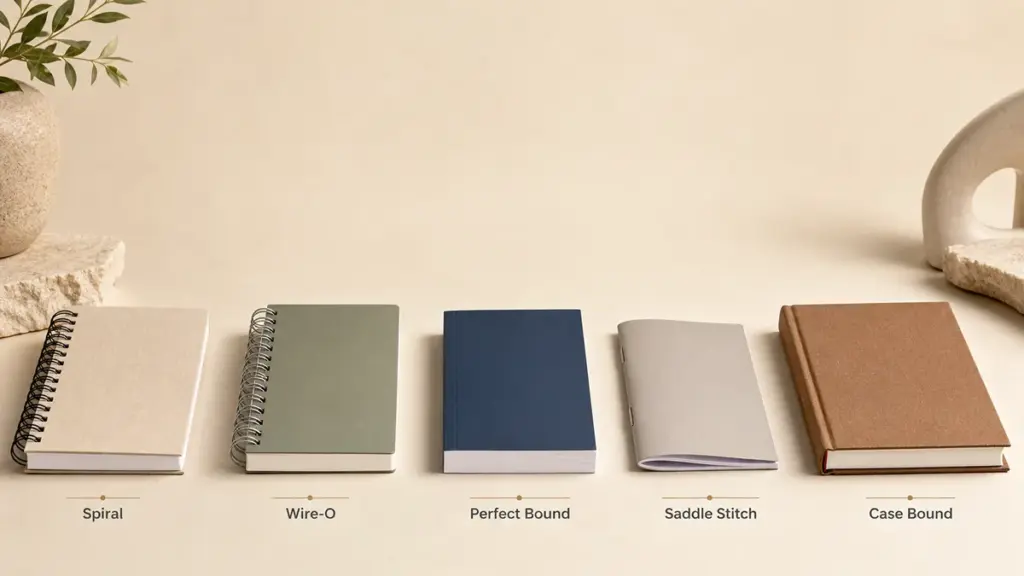
Your custom size must also play nice with factory machinery. Stitched, spiral, and perfect binding setups all have strict mechanical tolerances. Before finalizing your spine height or cover width, you must evaluate these limits to prevent binding failures. For extreme formats—like extra-narrow pocket journals or oversized desk planners—relying on factory-approved dimensions prevents high rejection rates during assembly.
Technical Layout Parameters and File Preparation
Vague artwork files lead to ruined production runs. Factory floors in key manufacturing hubs operate strictly in metric units, while your local buyers might expect imperial sizing. Clear specifications prevent layout misalignment during translation.
- Measurement Units: Specify all master technical drawings in millimeters to eliminate conversion errors on Asian factory floors.
- Trim Boundaries: Establish a strict bleed margin of 3.175 mm (0.125 In) beyond the trim edge for all artwork files.
- Inner Safe Zone: Keep all essential text, page numbers, and logos at least 6.35 mm (0.25 In) inside the trim lines.
- Layout Definition: Clearly mark the orientation (portrait vs. landscape) and designate the exact binding edge to align high-speed mechanical drills and punch tools.
Standardizing these technical benchmarks in your master print files guarantees that high-speed mechanical trimming will not cut off critical content or leave awkward unprinted borders.
Operational Impact on MOQs and Logistics
A custom size choice ripples all the way through your supply chain. Moving away from standard sizes usually triggers higher minimum order quantities (MOQs) and custom tooling fees, as factories must pause their lines to adjust machine setups. You can balance these financial shifts by ensuring your custom dimensions still fit standard master carton sizes.
Before signing off on mass production, always request a physical blank dummy from the factory. Testing a raw, unprinted prototype lets you evaluate real-world ergonomics, pocket portability, and page proportions. Doing this saves you from unexpected freight overheads caused by oversized packaging and shipping boxes that do not utilize container space efficiently.
How Buyers Match Sizes to Sales Channels
Notebook size selection should follow the purchasing environment and customer expectations.
Different sales channels often prefer different formats.
| Sales Channel | Recommended Sizes | Reason |
|---|---|---|
| Corporate Gifting | A5, B5 | Professional appearance, comfortable writing space, and suitable for business users |
| Online Retail | A5, A6 | Easy for customers to understand, convenient for storage, and cost-efficient for shipping |
| Schools | B5, A5 | Provides enough writing space for lessons, assignments, and daily notes |
| Trade Shows | A6, Pocket Sizes | Leicht, affordable, and suitable for large-volume promotional distribution |
| Luxury Stationery | A5, B5 | Creates a premium user experience with more space for high-quality materials and finishes |
For online sellers, standard sizes are easier because customers already understand the dimensions.
For corporate buyers, customization opportunities are often more important than size alone. A well-designed A5 notebook with a branded pen set can create stronger brand recognition than a unique but impractical format.
Letzte Gedanken
Choosing the right notebook size is an important step in creating successful stationery products. From corporate gifts to retail collections, the ideal format depends on the target users, sales channels, and production goals.
As a professional notebook and pen manufacturer, Letian Gifts helps businesses develop customized stationery solutions with flexible sizes, Materialien, branding options, and complete gift set solutions. Selecting the right notebook format from the beginning can improve customer satisfaction, control costs, and create stronger product value in the market.
FAQ
What are the standard notebook sizes?
The most common notebook sizes are A4, A5, A6, and B5. A5 is one of the most popular formats worldwide because it balances writing space and portability.
What is the difference between A4 and A5 notebooks?
An A4 notebook measures 210 × 297 mm, while an A5 notebook measures 148 × 210 mm. A4 provides almost twice the writing area of A5, but A5 is easier to carry and more commonly used for daily business activities.
Is B5 bigger than A5?
Ja. A B5 notebook measures approximately 176 × 250 mm, making it larger than A5 (148 × 210 mm). B5 offers more writing space while maintaining good portability.
What notebook size is best for work?
A5 is usually the best choice for office work because it provides enough space for meetings, Planung, and notes while remaining easy to carry. B5 is also suitable for professionals who need more writing room.
What size is good for pocket notebooks?
A6 and smaller notebook formats are commonly used as pocket notebooks. They are lightweight, convenient, and suitable for travel notes, sales teams, and promotional giveaways.
How do custom notebook sizes affect production cost?
Custom notebook sizes may increase production costs because they can require special paper cutting, cover templates, packaging adjustments, and additional setup. Standard sizes usually provide better cost efficiency for large-volume orders.