Skip to content



Corporate gift sets are widely used in business communication, especially in client relationships, employee appreciation, and event marketing. In many industries, they have become a standard way to express value, build trust, and keep a brand visible in daily work life.
This article shares a clear and practical guide on how to choose corporate gift sets from a manufacturing and production point of view, so you can better understand what actually matters when selecting or customizing gift sets for different purposes.
Why Businesses Use Corporate Gift Sets
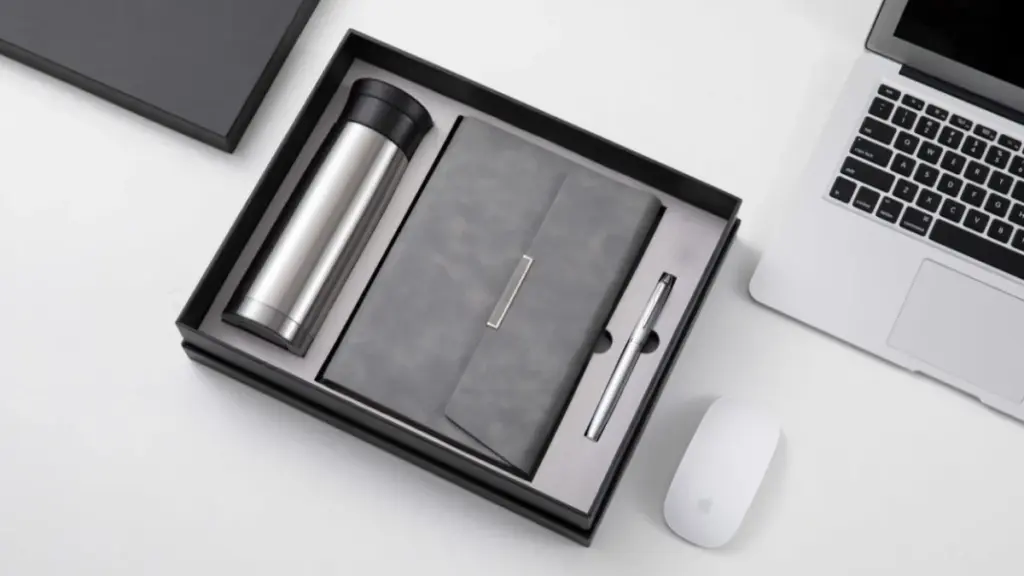
Corporate gift sets are used for 3 main reasons: relationship building, brand positioning, and customer retention.
Strengthening Client Relationships and Brand Loyalty
Relying entirely on emails and standard sales pitches rarely cuts through the noise. Sending targeted corporate gift sets allows companies to bypass cold outreach and immediately differentiate themselves from competitors during the acquisition phase. A well-timed, curated package shows prospects and existing partners a level of recognition that standard transactional interactions simply cannot match.
- Trust Building: Thoughtful packages signal deeper recognition and move relationships past basic transactions.
- Passive Advertising: Customized items featuring subtle logos keep your brand top-of-mind long after the initial delivery.
- Acquisition Leverage: High-quality gifts break the ice with prospects and position your company ahead of the competition.
When clients interact with these items daily, that passive visibility naturally encourages repeat business and secures long-term loyalty.
Boosting Employee Morale and Retention
Internal teams require just as much strategic investment as external clients. Recognizing daily efforts and major milestones with tangible corporate gift sets directly increases workplace engagement. Team members who feel genuinely valued for their contributions are far less likely to look for opportunities elsewhere.
- Engagement Spikes: Tangible rewards for hard work directly translate to higher daily motivation.
- Remote Connectivity: Branded gifts deliver a physical piece of company culture to remote and global teams, building a genuine sense of belonging.
- Turnover Reduction: Consistent appreciation through physical items creates loyalty and keeps valuable talent in-house.
By bridging physical distances with curated packages, organizations build a unified culture that actively protects their bottom line against the high costs of employee turnover.
Corporate Gift Sets Trend in 2026
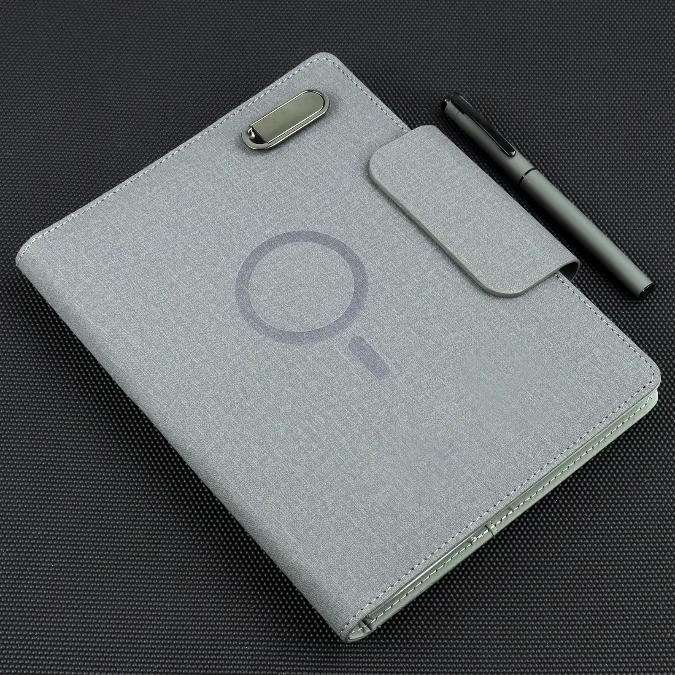
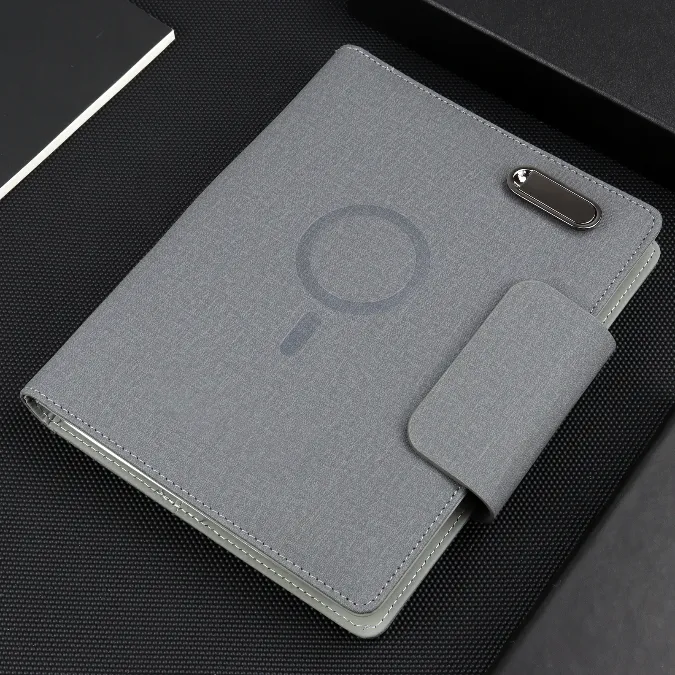
In 2026, corporate gifting is becoming more personalized, practical, and sustainable.
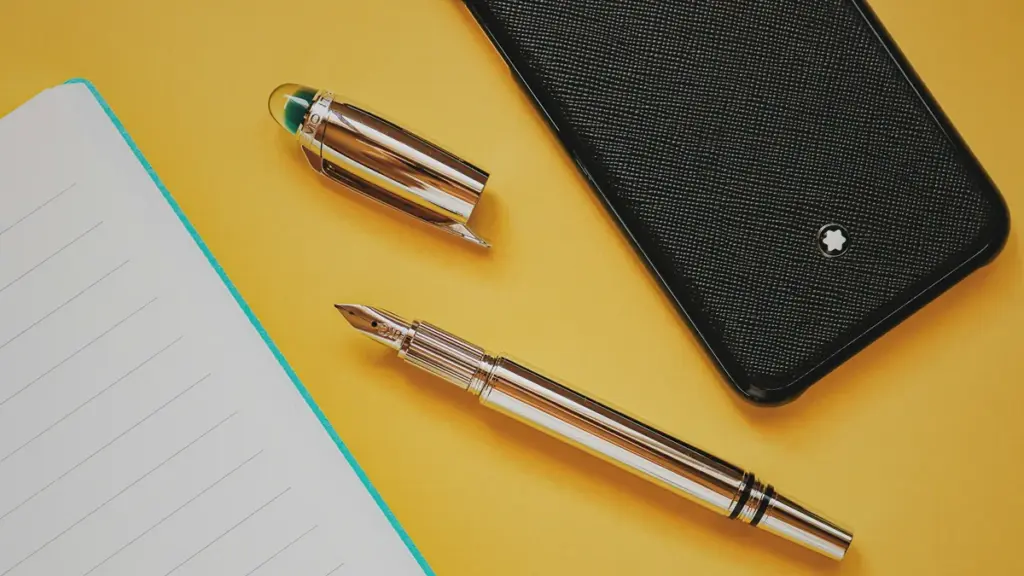
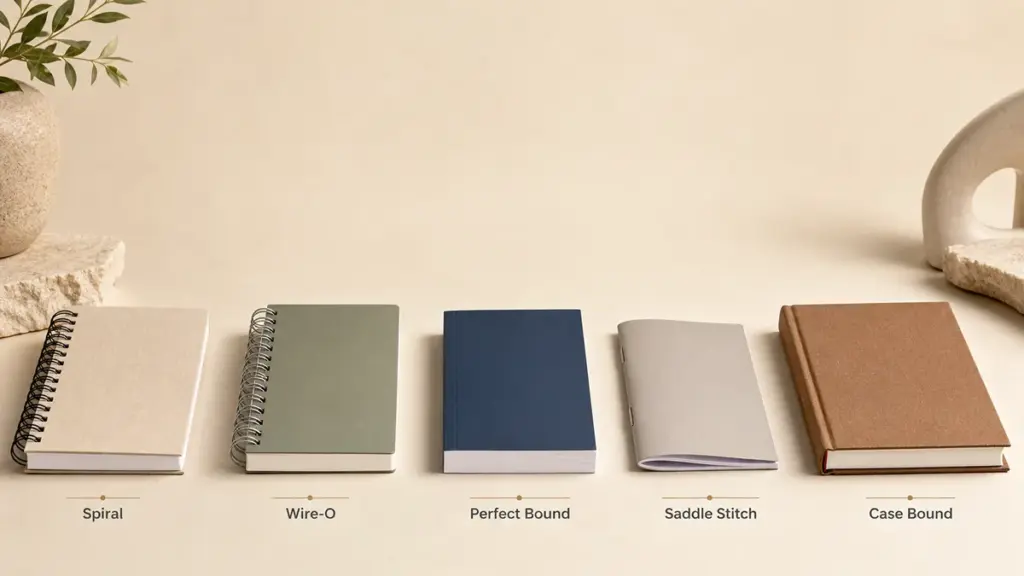
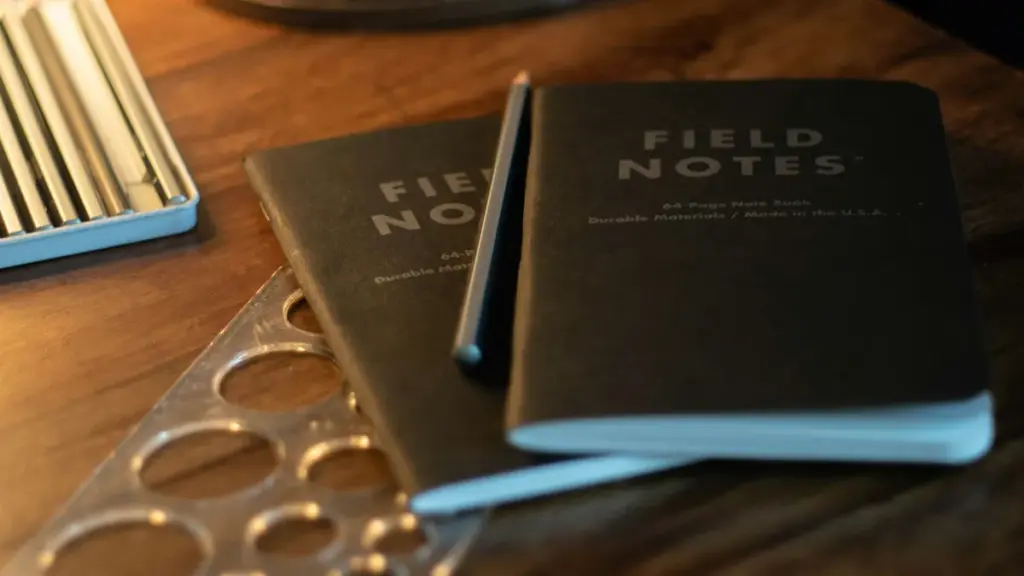
Companies are moving away from cheap, generic gifts. Instead, they prefer useful items that are used daily—like writing instruments, notebooks, and office accessories.
Key trends include:
- Eco-friendly materials such as recycled paper and sustainable packaging
- Minimalist design with premium feel
- Functional gift sets (pen + notebook + tech accessories)
- Small-batch customization for different client groups
- Stronger brand storytelling through packaging
Another major trend is low MOQ customization. More companies want flexibility, especially SMEs and marketing agencies. Instead of ordering 10,000 identical sets, they prefer smaller, segmented batches for different campaigns.
👉 Explore more practical corporate gift ideas by budget and occasion in our curated guide.
Factory-Direct Custom Corporate Gifts With 20% Faster Delivery
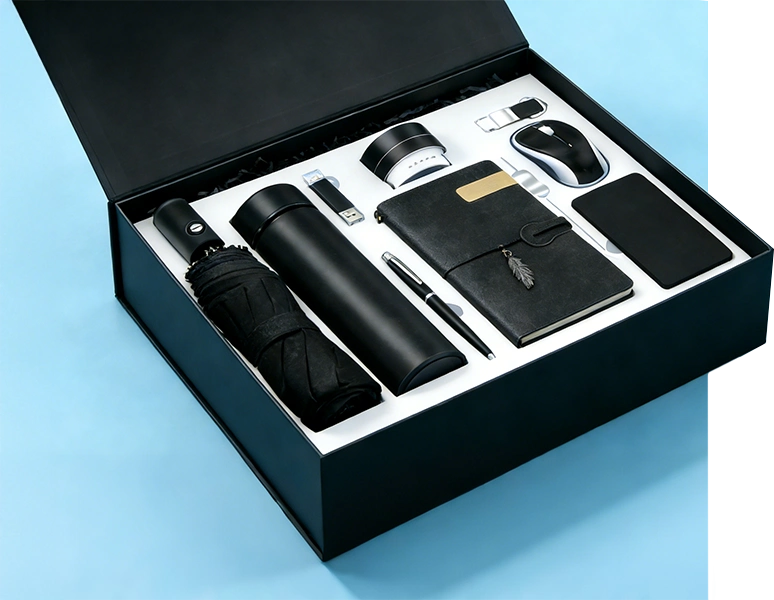
Client vs Employee vs Event Gift Needs
Corporate gifting strategies fracture into three distinct paths. Aligning budgets, tax rules, and personalization tactics to the recipient prevents wasted spend and compliance headaches.
| Recipient Type | Primary Goal | Typical Budget | Tax Rules |
|---|---|---|---|
| Client | Relationship retention & brand recall | ~$150 | $25/person deductible max |
| Employee | Morale & individual value | $50–$125 (or 1-3% salary) | <$25 non-cash is tax-free |
| Event | Visibility, teamwork & celebration | Total event allocation (tiered) | Varies by attendee type |
Client gifting is typically the highest in perceived value. The goal is not just appreciation, but long-term relationship building. Gift sets for clients often include premium items such as metal pens, leather notebooks, and well-designed packaging that reinforces brand identity.
Employee gifting focuses more on recognition and morale. Here, practicality matters more than luxury. Items like pen-and-notebook sets with personalized engraving are commonly used because they feel personal without being excessive.
Event gifting is designed for scale. Whether for trade shows, conferences, or brand activations, the goal is visibility and distribution efficiency. Lightweight, cost-controlled gift sets that still feel useful are usually preferred.
How to Choose Corporate Gift Sets by Budget Tier
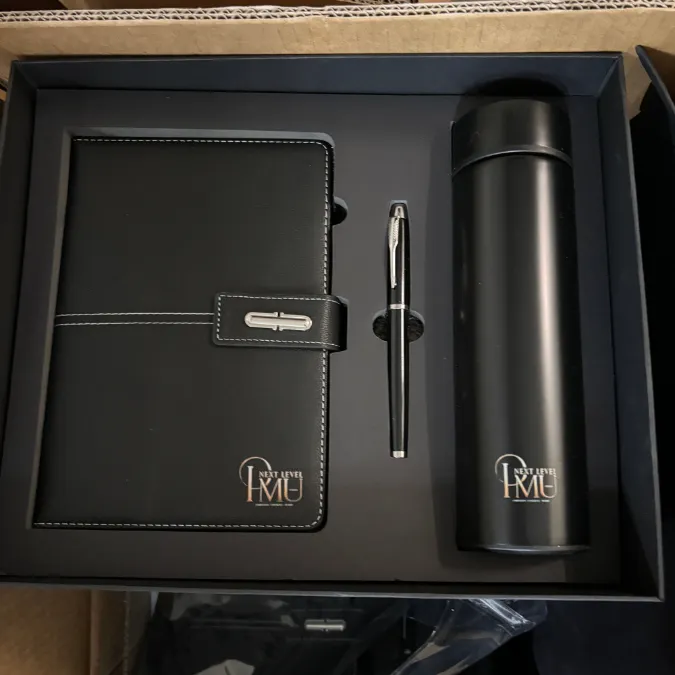
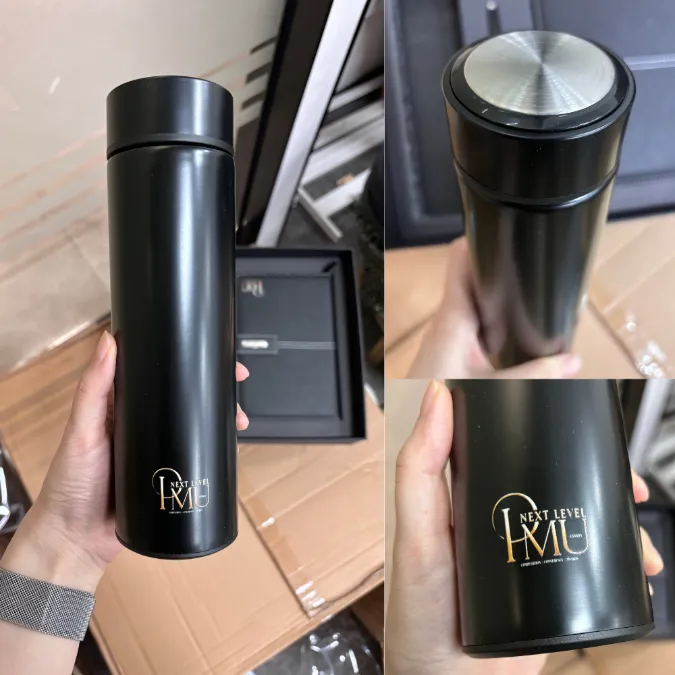
Choosing corporate gift sets by tier controls costs while maximizing relationship impact. Allocate 60% of your budget to volume orders, 30% to mid-tier clients, and 10% to luxury selections.
| Budget Tier | Price Range | Ideal Recipients |
|---|---|---|
| Low Budget | $20 – $75 | Mass gifting, employees, small clients |
| Mid-Range | $75 – $250 | Standard clients, mid-tier partners |
| Premium | $250 – $500+ | VIP clients, executives |
| Luxury | $500+ | C-suite, top partners, major deals |
Defining Budget Tiers for Gift Sets
Mapping your recipient list to specific price brackets ensures you hit the right emotional note without overspending. Different relationship levels require distinct investment thresholds to feel authentic.
- Low Budget Tier ($20 to $75): Best for mass gifting, employee recognition, or small clients. Select versatile, consumable items like gourmet treats, desk plants, and quality notebooks.
- Mid-Range Tier ($75 to $250): Suited for standard client appreciation, mid-tier partners, and work anniversaries. Customize baskets with branded elements or local treats to balance quality and impact.
- Premium Tier ($250 to $500+): Reserved for VIP clients, executives, and major milestones. Elevate the experience with exclusive wine pairings, personalized leather goods, or premium tech accessories.
- Luxury Tier ($500+): Designed for C-suite executives, top partners, and significant deal closings. Focus on rare, artisanal hampers, bespoke eco-friendly items, and exceptional recognition value.
Reserving luxury items for your top-tier contacts protects your margins while delivering maximum ROI on those crucial relationships.
Strategic Allocation and Selection Rules
Throwing money at a catalog rarely yields a strong return. You need a structured approach to distribute your budget and avoid hidden cost traps that inflate the final invoice.
- Segment and Allocate: Segment recipients and allocate the budget proportionally. Direct 60% to low-tier volume orders, 30% to mid-tier packages, and 10% to high or luxury selections.
- Account for Hidden Expenses: Factor in shipping, taxes, and custom engraving or personalization. These variables typically add a 5% to 20% uplift to the base price of your order.
- Establish Quality Thresholds: Avoid sub-$20 items to protect brand perception. Prioritize genuine materials like leather that offer lasting utility over cheap plastics.
- Leverage Bulk Orders: Coordinate large orders within tiered programs to secure volume discounts and prevent unexpected cost overruns during massive holiday or milestone campaigns.
Setting a strict floor on quality prevents your company from looking cheap. A $25 well-crafted notebook always outperforms a large basket filled with low-grade trinkets.
Customization and Branding Options
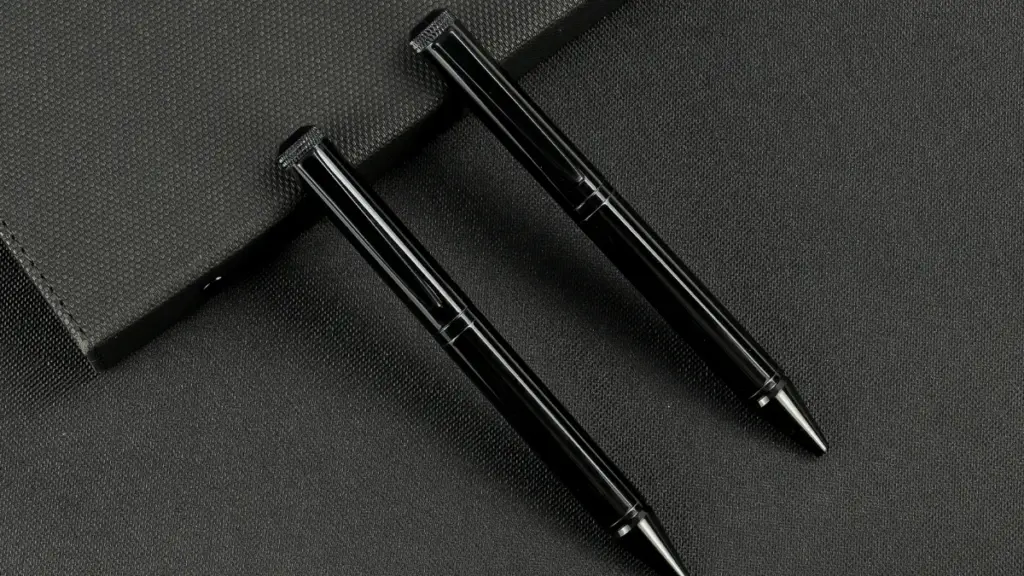
Strategic customization transforms corporate gifts from forgettable items into relationship-building tools. Modern personalization relies on precise branding, segmented strategies, and intentional unboxing experiences.
Personalization Levels and Strategies
Basic logo placement on a generic mug no longer meets recipient expectations. Effective corporate gifting requires deep personalization that connects directly to the recipient’s interests, personal values, and shared business milestones. Moving beyond standard branding creates an emotional connection that drives higher retention and brand loyalty.
Companies scale this approach using on-demand branding solutions. These platforms allow you to customize individual gifts without committing to massive minimum order quantities, making one-off personalization efficient.
Segmented customization helps you tailor the exact experience to specific audience tiers:
- C-suite clients: High-end luxury items featuring bespoke elements and custom notes.
- Employee onboarding: Structured welcome kits that instantly reinforce company culture.
- Event attendees: Compact, interactive swag kits matched to regional adaptations.
Premium Packaging and Application Methods
How you apply your brand matters just as much as the gift itself. Heavy-handed logos turn premium gifts into low-value promotional items. Modern application methods ensure precise brand integration without compromising the aesthetic appeal of the product.
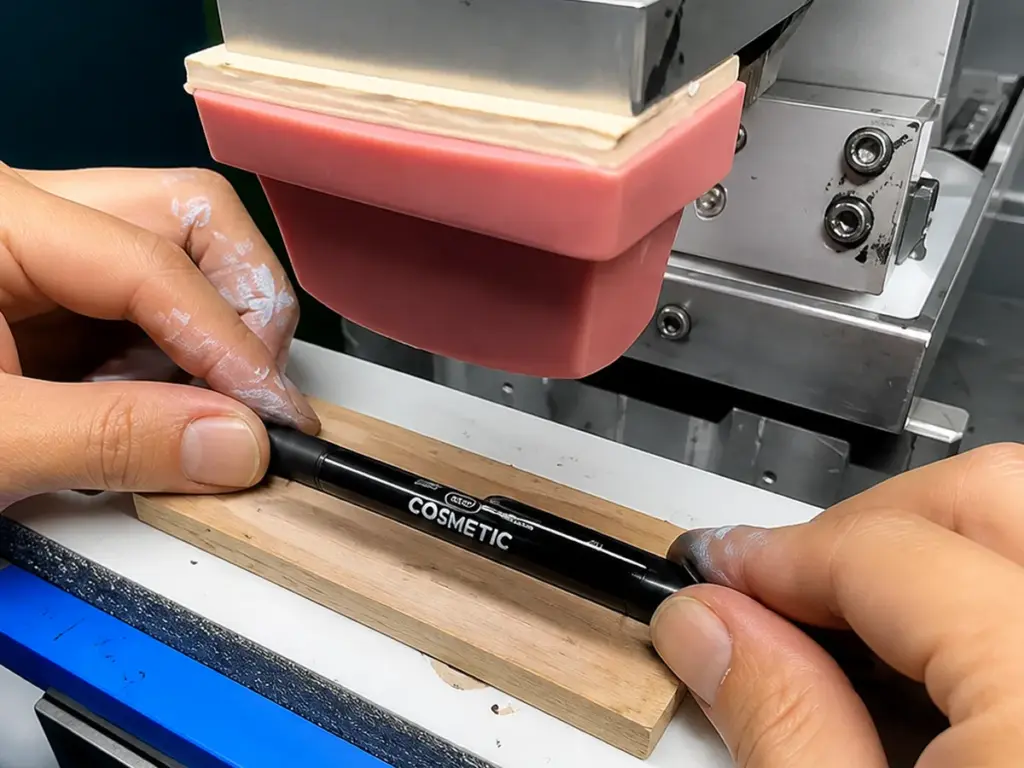
- Laser engraving: Delivers sharp, permanent marks on metal tumblers, tools, and premium desk accessories.
- 3D-printing: Creates custom structural elements like branded paperweights or unique wine stoppers.
- Foil stamping: Adds a sophisticated, subtle finish to luxury packaging and minimalistic designs.
Packaging dictates the perceived value before the recipient even opens the box. Creating a memorable unboxing experience requires intentional design and quality materials. Many brands now use sustainable packaging, relying on recycled rigid boxes and plant-based inks to match their corporate responsibility goals.
You can maximize that critical first interaction by incorporating interactive QR codes, personalized sleeves, and custom wraps that feature the recipient’s name or specific team roles.
Packaging, Presentation, and Perceived Value
Before a recipient even opens a corporate gift, the packaging dictates its perceived value. Premium materials and intentional design signal respect, instantly shaping brand perception and long-term retention.
The Psychology Behind Packaging and Brand Perception
Before anyone sees the actual item, packaging sets the baseline for what it is worth. Attractive designs trigger the brain’s reward centers. People inherently value a beautifully boxed product over a cheaper alternative wrapped in generic materials.
Intentional presentation shows you put time and effort into the exchange. When clients or employees handle a well-structured box, they subconsciously map that care back to your brand. They judge your attention to detail and how much you respect the relationship based entirely on the unboxing experience.
Getting this right leaves a lasting mark. A memorable first impression improves brand recall long after the gift is gone. Exceptional presentation also prompts recipients to share their items on social platforms, giving your company organic visibility.
Key Elements of Premium Presentation
Quality materials do the heavy lifting in communicating value. Flimsy cardboard immediately lowers expectations, even if the item inside is expensive. You need structural integrity and tactile elements to suggest premium contents. Specific features drive this perception:
- Heavy cardstock and rigid boxes: Deliver structural weight that implies a durable, high-end product.
- Embossed paper and soft-touch finishes: Add tactile friction that makes the physical handling process feel luxurious.
- Recognized retail branding: Co-branding with established retail names instantly boosts the perceived worth of the entire set.
Incorporating your own brand requires a subtle approach. Overt logos turn a thoughtful gesture into a promotional billboard. Weaving in your corporate colors or adding a personalized note builds brand recognition without ruining the personal touch.
When you execute this correctly, the packaging becomes part of the gift. People keep and reuse high-quality magnetic boxes and sturdy crates. This extends your marketing impact, keeping your brand in their home or office long after the initial transaction.
MOQ, Lead Time, and Fulfillment Planning
Planning corporate gift sets requires aligning minimum order quantities with tight production schedules. Securing orders 90 days out prevents supply chain disruptions and costly expedited shipping fees.
Balancing Minimum Orders and Production Timelines
Minimum order quantities vary widely based on product type, material choices, and the complexity of custom engraving or branding. Suppliers enforce these minimum thresholds to secure bulk raw materials and run production efficiently. Buying materials at scale ultimately drives down the per-unit cost for large-scale corporate buyers.
Order timelines span from a few weeks for standard printed items to well over a month for fully customized gift sets. Initiating the procurement process 90 days ahead of your target date builds a crucial safety buffer. This window protects your rollout against printing errors, supply chain disruptions, and routine customs delays.
Coordinating Logistics for Corporate Events
Locking in budgets, exact quantities, and artwork approvals early prevents rushed production cycles and expensive expedited shipping fees. If you run ongoing employee recognition programs, time-based minimums allow your organization to spread out orders over monthly or quarterly periods rather than taking delivery all at once.
Tracking inventory turnover and delivery success rates gives procurement teams the hard data needed to adjust future order frequencies and negotiate flexible terms. Maintaining direct communication channels with vendors ensures quick resolution if quality control issues or packaging adjustments arise during batch manufacturing.
Common Mistakes in Bulk Gifting
Treating bulk gifting as a transactional chore leads to wasted budgets and damaged relationships. Success requires intentional personalization, precise logistics, and measurable engagement.
Sending Generic or Heavily Branded Items
Prioritizing efficiency over personalization guarantees a poor return on your gifting spend. When companies default to safe, generic choices like basic mugs or pens, nearly 40% of those corporate gifts go straight into the trash. This approach wastes capital and signals a distinct lack of thought to the recipient.
Applying heavy logos or promotional messaging compounds the problem. Turning a gesture of appreciation into an aggressive advertising tactic immediately strips away its emotional value. Recipients recognize the commercial intent and view the item as promotional swag rather than a genuine gift.
Failing to segment your audience destroys the intended impact. Repeating the exact same gift annually eliminates the element of surprise. Sending identical items to a first-year intern and a tenured VIP client completely ignores the specific dynamics of those very different relationships.
Mishandling Logistics and Recipient Preferences
Sourcing the perfect item means nothing if the execution fails. Last-minute ordering reliably triggers a cascade of logistical disasters. You will inevitably face delayed deliveries, incorrect recipient names on cards, and crushed packaging that ruins the critical first impression.
Assuming uniformity across a diverse recipient list creates direct liabilities. A premium bottle of wine or a gourmet food basket quickly becomes an awkward misstep if you ignore dietary restrictions, cultural nuances, or strict corporate policies regarding acceptable gifts.
Many organizations launch expensive campaigns and never look back. Failing to track engagement or gather recipient feedback leaves you operating in the dark. Without this data, you cannot calculate any real return on investment or make intelligent adjustments for future strategies.
How to Evaluate a Reliable Corporate Gift Supplier
Choosing the right corporate gift supplier is one of the most important decisions in a gifting project, because it directly affects product quality, delivery stability, and brand perception. A reliable supplier should be evaluated from both production capability and service ability, not just price.
Check Manufacturing Strength
A qualified corporate promotional gifts supplier should have in-house production or tightly controlled factory resources. This ensures consistent quality, stable output, and better cost control for large orders.
Evaluate Customization Capability
Corporate gift sets are highly branding-driven, so the supplier should support multiple techniques such as laser engraving, silk screen printing, embossing, and color matching. More importantly, they should be able to adapt designs to different materials like metal, paper, and leather.
Look at Sample Development Speed
A strong corporate promotional gift sets supplier like Le-tian Gifts can usually provide samples within 5–10 days. Slow sampling often indicates weak engineering or unclear production processes.
Consider Quality Control System
This includes raw material inspection, in-production checks, and final product testing. Certifications like BSCI, SGS, or TÜV also indicate higher compliance standards.
Assess Communication and Export Experience
Fast response time, clear documentation, and understanding of international shipping requirements are essential for smooth project execution.
Measuring ROI From Corporate Gifting
A well-executed corporate gifting program consistently delivers a 300% to 500% return by directly reducing employee turnover and accelerating deal closures.
Core Formula for Tracking Value and Cost
You cannot measure success on feelings; you need hard financial data. Calculate your net returns by subtracting total program expenses from the generated value, then divide that result by your initial cost.
- Direct Costs: Factor in the physical item spend, platform fees, and administrative hours.
- Financial Gains: Track the tangible value created by reduced employee turnover and faster deal closures.
- Target Benchmark: Aim for a 300% to 500% return, driven mostly by long-term client retention and higher workforce productivity.
Setting Baselines and Monitoring Performance
To prove the financial impact of your initiative, establish a clear starting point before sending a single item. Record pre-gifting metrics for client renewal rates and employee satisfaction scores so you have a concrete baseline for future comparison.
- Monthly Tracking: Monitor redemption rates and program participation to gauge early interest.
- Annual Assessment: Evaluate total cost-per-hire savings and overall revenue growth over a complete business cycle.
- Cohort Comparison: Compare performance data between teams receiving targeted gifts and non-participating cohorts to isolate the specific financial impact of the program.
Final Thoughts
Choosing the right corporate gift set is ultimately about understanding the receiver and controlling the details—from product selection to packaging and timing. When these elements work together, a simple gift becomes a long-lasting brand impression.
Frequently Asked Questions
What are the best corporate gift sets for employees?
The best employee gift sets are practical and useful. Pen and notebook sets, desk accessories, or personalized items work well. The goal is daily use and emotional appreciation.
How much should companies spend on corporate gifts?
Most companies spend between $10 and $30 per set. However, budget depends on the relationship level—VIP clients usually require higher-value sets.
What should be included in a corporate gift set?
A typical set includes a pen, notebook, and sometimes additional items like USB drives, desk tools, or packaging boxes. The focus is usefulness and branding.
How do I choose corporate gifts for clients?
Focus on professionalism and quality. Choose items that match your brand image and are useful in business settings, such as metal pens or premium notebooks.
What is the minimum order quantity (MOQ) for custom corporate gift sets?
MOQ at Le-tian Gifts starts from 100 sets, making it flexible for both small and large corporate projects with full customization options.
Contact our team for a quick quote.