Skip to content



Spiral notebooks are one of the most common writing products used in schools, offices, meetings, and promotional campaigns. With a simple structure, flexible pages, and convenient writing experience, spiral notebooks have remained popular for decades despite the growth of digital tools.
For businesses, spiral notebooks are not only everyday stationery products but also effective branding tools. Companies often choose custom spiral notebooks for employee supplies, customer giveaways, conference materials, and promotional campaigns because they combine practicality with long-term brand exposure.
Understanding the structure, advantages, limitations, and sourcing requirements of spiral notebooks helps buyers make better decisions when selecting products for personal use or bulk customization.
What Is a Spiral Notebook?

A spiral notebook is a type of notebook that uses a spiral coil to connect punched paper pages with a front and back cover. The coil passes through a series of holes along one side of the pages, allowing the notebook to open, close, and turn pages smoothly.
Unlike traditional hardcover notebooks that use glue or stitched binding, spiral notebooks use a flexible binding system. This design allows pages to move independently and provides a comfortable writing experience from the first page to the last.
When choosing between different notebook styles, buyers often compare spiral notebooks with other popular options such as composition books. Each type has different advantages depending on writing habits, durability requirements, and application scenarios. You can learn more about the differences in our guide on spiral notebook vs composition book.
A typical spiral notebook consists of several main components:
| Component | Function |
|---|---|
| Paper pages | Provide the writing surface for notes, sketches, or records |
| Spiral coil | Holds pages together and allows 360-degree rotation |
| Front cover | Protects inner pages and supports brand customization |
| Back cover | Provides stability during writing |
| Inner printing | Can include lines, grids, dots, or customized layouts |
Spiral notebooks are available in different materials, sizes, and designs. Common paper options include ruled paper for general writing, grid paper for technical notes, and blank paper for drawing or creative work.
For businesses, the notebook cover provides an important customization area. Logos, company colors, product information, and brand messages can be printed or embossed on the cover, making spiral notebooks a practical promotional gift.
Advantages of Spiral Notebooks for Writing and Portability
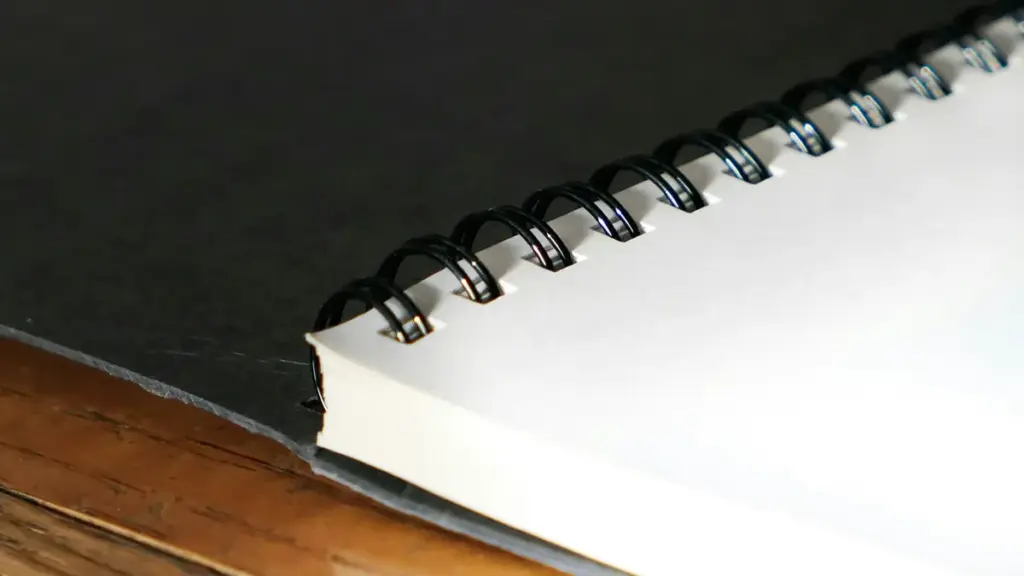
Crammed onto a tiny airplane tray table or balancing a pad on your knee in the field, you quickly realize how standard bound journals fail. Spiral notebooks address these physical constraints through a mechanical spine that completely adapts to your actual writing environment.
Spiral notebooks use a continuous coil to enable a flat writing surface and complete 360-degree folding, maximizing both ergonomic comfort and compact portability.
Flat Lay and 360-Degree Folding for Ergonomic Writing
Standard sewn or glued books require constant physical force to stay open. Spiral binding removes this mechanical tension, letting the paper rest flat naturally.
- 180-Degree Lay-Flat Design: Keeps both pages level on a desk to reduce hand strain and eliminate the raised middle problem common in glued spines.
- 360-Degree Fold-Back Capability: Lets you write comfortably in tight spaces like airplane trays, lecture tables, or directly on your lap.
- Dual-Side Usability: Allows writers to use both sides of the sheet easily without the binding forcing the paper to curve at the inner margins.
Clean Page Removal and Workflow Customization
Sharing ideas or archiving notes typically ruins the binding of a bound book. Coil designs solve this by isolating each sheet of paper.
- Perforated Edges: Allow clean sheet removal without ripping the binding or destabilizing the remaining pages.
- Individual Page Anchoring: Prevents structural damage to the notebook spine when sharing notes or submitting assignments.
- Integrated Storage Tools: Accommodates pockets, tabbed dividers, and pen loops to centralize separate topics and writing tools in a single volume.
Lightweight Portability and Everyday Durability
Mobile professionals and students require writing tools that survive transit. While rigid spines crack under pressure, flexible coils absorb impact.
- Compact Formats: Available in highly portable dimensions like A5 or B5 that easily fit into bags, backpacks, and field kits.
- Resilient Spiral Structures: Sturdy metal or flexible plastic coils resist spine cracking and page separation during frequent transport.
- Pliable Covers: Allow the notebook to conform slightly to crowded bags without damaging the binding or pages.
High Capacity and Multi-Subject Organization
Managing separate projects or academic subjects can quickly clutter a gear bag. Consolidating your work into a high-capacity notebook streamlines your daily load.
- High Page Capacity: Provides a substantial volume of 50 to 200 pages, offering more writing space than standard pocket notebooks.
- Multi-Subject Tracking: Supports multiple distinct sections within one notebook, reducing the physical burden of carrying separate journals.
- Tab-Based Indexing: Maintains an organized structure for academic notes, meeting minutes, and technical sketches.
Custom Corporate Gifts from Just 100 Units
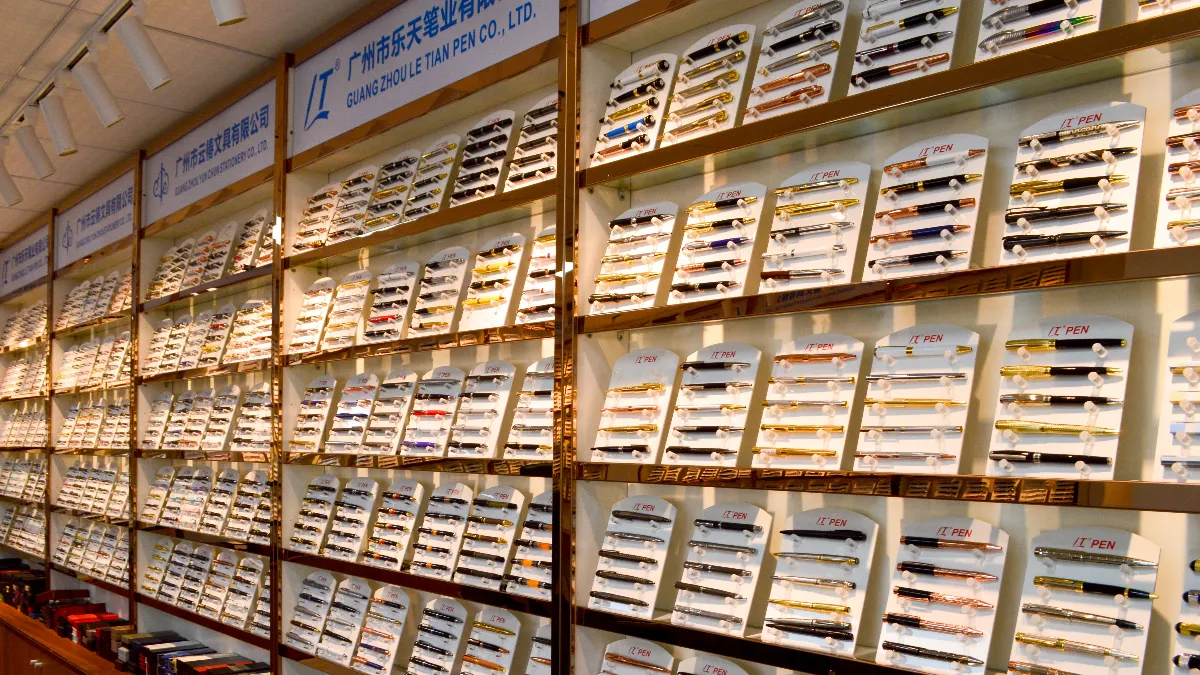
Best Use Cases Across School Office and Promotions
Selecting the correct spiral notebook layout directly impacts user retention and brand value across academic, corporate, and promotional environments.
How do you ensure your stationery budget actually drives daily productivity instead of sitting forgotten in a desk drawer? Choosing the right configuration of spiral notebooks transforms a basic paper pad into an indispensable daily workflow tool.
Classroom Learning and Student Organization
Students require physical formats that withstand fast-paced lecture environments while keeping distinct subjects separate.
- Single-Subject Formats: These serve as the daily standard for lecture notes, homework logs, and lab exercises across K-12 and college levels.
- Multi-Subject Systems: Built-in dividers and pockets allow students to consolidate multiple courses into one organized volume.
- Fold-Back Space Efficiency: The 360-degree design saves limited desk space in crowded lecture halls and allows clean sheet removal for sharing group work.
Professional Productivity and Office Management
In professional settings, note-taking needs to be low-friction and adaptable to varied workspaces, from conference rooms to field visits.
- Flexible Meeting Capture: The 360-degree rotation lets users write comfortably on thin or uneven surfaces without a desk.
- Task and Milestone Tracking: These notebooks function as reliable analog logs for project timelines, daily to-do lists, and spontaneous brainstorming sessions.
- Onboarding Kits: Companies frequently package branded options as an essential training resource for new hires.
Promotional Marketing and Corporate Branding
Because end-users interact with physical notebooks daily, corporate branding on these items generates sustained visual impressions over months of use.
- Event Giveaways: Standardized custom-cover designs provide high-frequency brand exposure at trade shows, conferences, and seminars.
- High-Value Client Gifts: Delivering high-quality stationery to clients and prospects secures permanent placement on their desks.
- Internal Company Culture: Distributing custom books during company retreats or as employee appreciation gifts builds brand alignment.
Configuration and Design Selection Guidelines
Aligning the physical build with the intended user environment prevents premature wear and maximizes utility.
- School and Utility Use: Select durable plastic or cardstock covers paired with college or wide ruling to handle daily wear.
- Executive and VIP Gifting: Choose premium materials such as faux leather and heavy-weight paper to convey quality.
- Binding Match: Utilize flexible plastic coils to prevent snags in bags, or specify sturdy metal wire for long-term benchtop durability.
Matching physical specs to the exact environment ensures the notebook performs reliably from the first page to the last.
Spiral Notebook Limitations Buyers Should Know Early
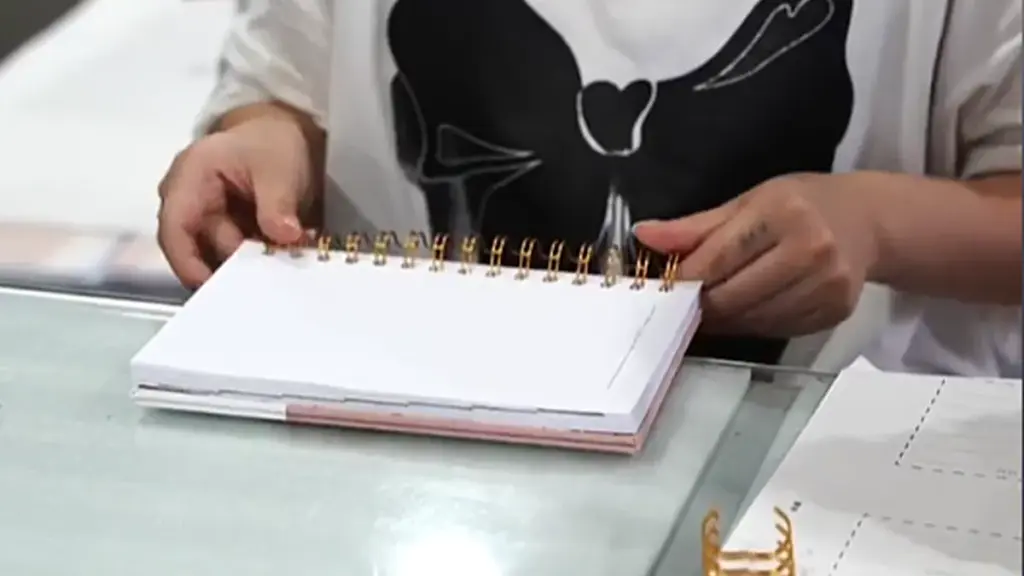
Bulk buyers often overlook the hidden costs of spiral notebook structural decay, ergonomic friction, and recycling issues before securing high-volume procurement contracts.
Structural Integrity and Shelf Durability Issues
Standard cardstock and flexible plastic covers offer poor defense against routine wear, leaving internal page margins fully exposed to environmental damage and tearing.
- Cover warping: Thin paperboard or cheap plastic covers buckle under pressure, failing to shield page edges from dog-earing and dirt.
- Coil deformation: Both metal and plastic coils easily bend out of shape during transit, catching on bags or slowly backing out of their punched channels.
- Shelf interlocking: Spines overlap and tangle when stacked horizontally, complicating inventory counts and orderly retrieval.
Ergonomic Hurdles and Writing Discomfort
Daily user experience hinges on physical comfort, yet the mechanical spine inserts constant physical friction into normal writing patterns.
- Hand obstruction: The central binding blocks the natural wrist path, disrupting right-handed users on left pages and left-handed writers on right pages.
- Surface instability: Folding the covers 360 degrees creates a wobbly writing plane because the spine side remains thicker than the free-leaf edge.
- Paper degradation: Low-to-mid-grade paper stock causes wet inks to bleed, feather, or ghost, which renders the reverse side of each sheet unusable.
Security, Traceability, and Archival Limitations
For operations requiring compliance, legal tracking, or permanent records, mechanical binding poses severe data integrity challenges.
- Compromised chain of custody: Perforated sheets detach too easily, making these books unfit for laboratory logs, intellectual property records, or legal trial notes.
- Zero tamper evidence: Anyone can cleanly slip a page out of a coil without leaving visible stubs or structural damage.
- Material decay: Humidity degrades cheap metal coils via rust, while budget plastic elements turn brittle and crack over long-term archive cycles.
Manufacturing Inconsistencies and Template Alignment Issues
Procurement managers often face integration issues when sourcing from unverified factories or using custom print layouts.
- Hole pitch discrepancy: Non-standardized spacing and hole diameters across suppliers make after-market refills or custom coils incompatible.
- Print alignment offset: Custom brand layouts or grids often conflict with the physical punch paths, cutting off critical margins or text blocks.
- Bulk transit risks: Rough shipping runs often warp outer covers, misalign punches, and crush metal spirals before they reach the warehouse.
Environmental and Recycling Challenges
Corporate sustainability initiatives frequently clash with the actual waste profile of mixed-material office products.
- Recycling processing friction: Most municipal systems mandate manual extraction of the metal or plastic spine from the paper body—a step that rarely happens, sending whole books straight to the landfill.
- Disposable supply cycle: The permanently bound structure prevents direct page refilling, forcing a continuous, high-volume disposal loop compared to reusable ring-bound systems.
How to Source Reliable Custom Spiral Notebook Supply
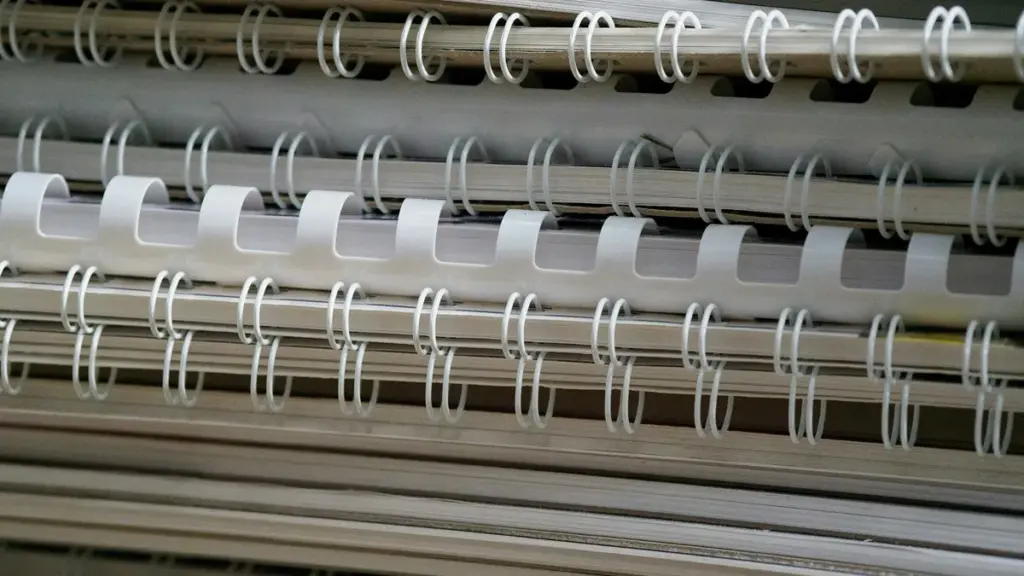
Direct manufacturer audits, precise material specifications, and rigorous pre-production sampling protect your bulk stationery orders from structural defects and costly transit damage.
Securing a dependable custom spiral notebook supply requires moving past basic middleman brokers and analyzing direct factory capacity. Buyers who skip rigorous technical verification often end up with misaligned punches, warped covers, and crushed wire coils that ruin retail margins. Protecting your investment means standardizing your technical specifications and auditing potential manufacturers before placing high-volume orders.
| Specification Area | Target Standard | Risk Avoided |
|---|---|---|
| Binding Type | Twin-wire (wire-o) or single spiral | Coil deformation and page snagging |
| Paper Weight | 80 to 90 GSM | Gel pen ink bleed-through and ghosting |
| Outer Packaging | 5-ply cartons + moisture barriers | Humidity damage and crushed edges |
Evaluating Core Manufacturer Capabilities
Buying directly from specialized printing factories gives you total control over the production run. General print shops often outsource binding, which breaks the quality control chain. You must verify that the partner maintains dedicated production lines for spiral and wire-bound notebooks. This specialization guarantees they own the heavy-duty machinery required for precise punching and consistent coil crimping.
- Direct In-House Processing: Controls printing, binding, and finishing under one roof to maintain strict quality standards.
- Dedicated Production Lines: Prevents the alignment issues common with outsourced or multi-purpose general print setups.
- Proven Export Logistics: Handles compliant regional customs documentation, exact carton labeling, and secure sea-freight loading.
Defining Precise Notebook Material Specifications
Vague specifications lead to cheap, flimsy products. You must define every component before requesting quotes. First, select the binding format. Use single spiral coils for standard educational orders, but specify twin-wire or wire-o formats for corporate planners. Second, lock in the inner page weight. Aim for 80 to 90 GSM to stop gel pen ink from bleeding through the sheet. Third, set your cover stiffness based on how the end-users will interact with the book.
- Coil Format: Single spiral (cost-effective utility) vs. Twin-wire / Wire-O (premium corporate stability).
- Paper Weight: 80 to 90 GSM with smooth finish to minimize bleed-through and ghosting.
- Cover Rigidity: Flexible laminated card stock, semi-rigid boards, or heavy rigid chipboard backs for writing without a desk.
Executing Technical Due Diligence and Sampling
Never sign a contract based on digital mockups alone. You need to run hard quality checks before mass production. Request active ISO and SGS compliance documents to confirm environmental safety and raw material quality. Next, order a physical pre-production sample using your final cover artwork. This sample acts as your “golden standard” for color matching and binding accuracy.
- Compliance Check: Verify ISO quality management and SGS material safety certifications.
- Crimping & Alignment: Inspect the coil ends to ensure they are crimped inward tightly so they do not unravel or scratch hands.
- Environmental Test: Place the sample in a humid room to check if the cover curls or if the inner holes tear too easily.
Managing Sourcing Models and Production Risks
Different business models require different supply structures. Match your order volume to the right supplier type. Use direct overseas factories for high-volume, cost-critical runs. Use print-on-demand networks if you want to test new cover designs with zero inventory risk. Because paper is heavy and sensitive to moisture, secure your shipment against the stresses of ocean freight. Define clear quality tolerances before production begins to prevent disputes later.
- Scalability: Balance unit costs by matching bulk orders to direct manufacturers, or using POD partners for zero-inventory product testing.
- Heavy-Duty Packaging: Mandate double-walled 5-ply outer cartons, interior moisture barriers, and tightly strapped pallets.
- Defect Tolerances: Establish clear contract clauses limiting misaligned punch holes, deformed coils, and cover scuffing.
Create Custom Spiral Notebooks That Strengthen Your Brand Identity
A well-designed spiral notebook is more than a simple writing tool. It can become a practical brand asset that customers, employees, and partners use every day. Whether you need promotional notebooks for events, customized stationery sets for corporate gifts, or bulk orders for business needs, choosing the right manufacturing partner is essential.
At Letian Gifts, we combine professional stationery manufacturing experience with flexible customization options to help businesses create high-quality spiral notebooks and matching pen gift solutions. From cover design and logo printing to packaging and product combinations, we support customized projects based on different market requirements.
Partner with Letian to develop reliable stationery products that deliver both writing comfort and lasting brand value. Contact us today to discuss your custom spiral notebook project.
Frequently Asked Questions
What is a spiral notebook?
It is a bound collection of paper sheets secured along one edge by a continuous plastic or metal coil. This coil threads through evenly spaced holes punched through the covers and pages. Because the pages rotate independently around the coil, the book can fold back 360 degrees and lie completely flat on a desk.
How does spiral binding work?
The process begins by punching a clean row of uniform holes along the edge of aligned pages and covers. A continuous, spring-like helical coil is then threaded through these holes, either manually or using motorized rollers. Finally, a specialized crimping tool cuts the excess coil and bends the ends inward. This mechanical crimp prevents the coil from winding out, keeping the pages secured.
What is the difference between spiral and Wire-O notebooks?
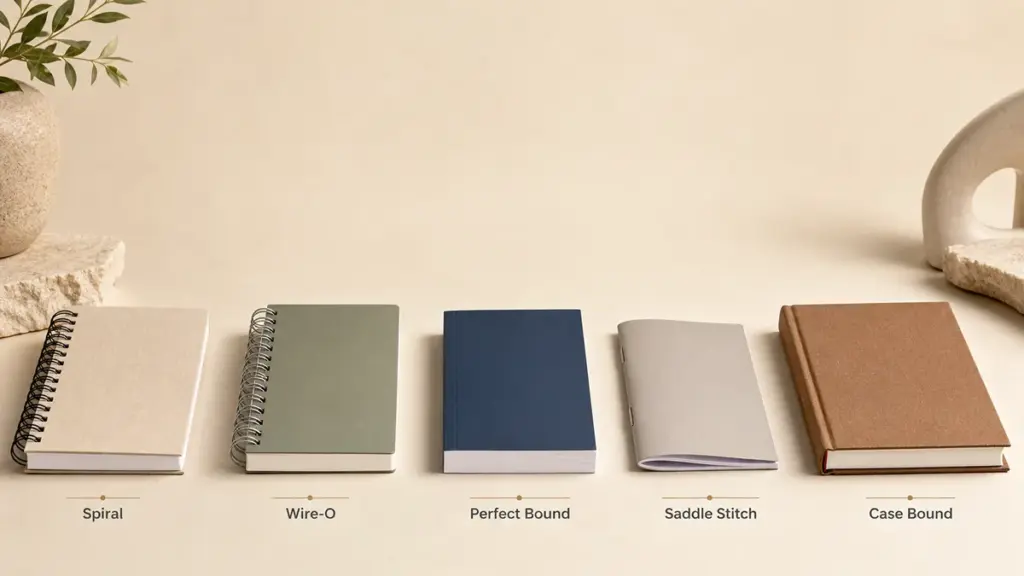
Spiral binding uses a single continuous plastic or metal coil that threads through round holes. It is highly flexible and bounces back if crushed in a bag. Wire-O uses double-loop metal wire segments crimped through square or rectangular holes. Wire-O looks cleaner and more professional for executive settings, but those metal loops will permanently deform if you squeeze or crush them.
Why do spiral notebooks lie flat?
They lack a rigid, glued spine that creates tension when opened. The front cover, back cover, and interior pages are completely separate pieces. The coil acts as a free-rotating hinge, allowing pages to pivot up to 360 degrees. This design lets you write on a completely flat surface or fold the book back to save desk space.
Are spiral notebooks better for office use?
They are highly practical for daily task tracking, fast brainstorming, and meetings where you need to fold the book back or tear out pages cleanly. However, they are a poor choice for legal logs, research journals, or audit trails. Because pages tear out easily without leaving a trace, they lack the tamper-evident security required for official, permanent records.
What should buyers check when ordering custom spiral notebooks?
You need to audit five critical specifications before signing off on a bulk run:
- Trim Size: Verify the exact dimensions, such as A5 or Letter, to match your specific use case.
- Binding Type: Choose between metal wire for rigidity or thick plastic coils to resist crushing.
- Paper Weight: Opt for 80–90 GSM paper instead of standard 60 GSM to prevent ink from bleeding.
- Cover Durability: Select laminated paperboard or plastic if the books will travel frequently in backpacks or briefcases.
- Production Terms: Clarify the minimum order quantity (MOQ) and test a physical sample before approving full production.