Skip to content



Eco-friendly notebooks are no longer limited to simple recycled paper covers. Today, buyers can choose from recycled paper, kraft, cardboard, stone paper, seed paper, recycled PU, recycled fabric, and other lower-impact materials. Each option offers a different balance of sustainability, appearance, durability, cost, and branding potential.
For retailers, promotional agencies, corporate buyers, and gift distributors, choosing the right notebook material is important because the material affects not only the environmental message but also the final product quality and user experience.
This guide explains the main eco-friendly notebook recycled materials, how they perform, and what buyers should check before placing a bulk order. Whether you need custom notebooks for a corporate campaign or a pen and notebook gift set, understanding the material options can help you choose a product that fits both your sustainability goals and your target market.
What Makes a Notebook Eco-Friendly?
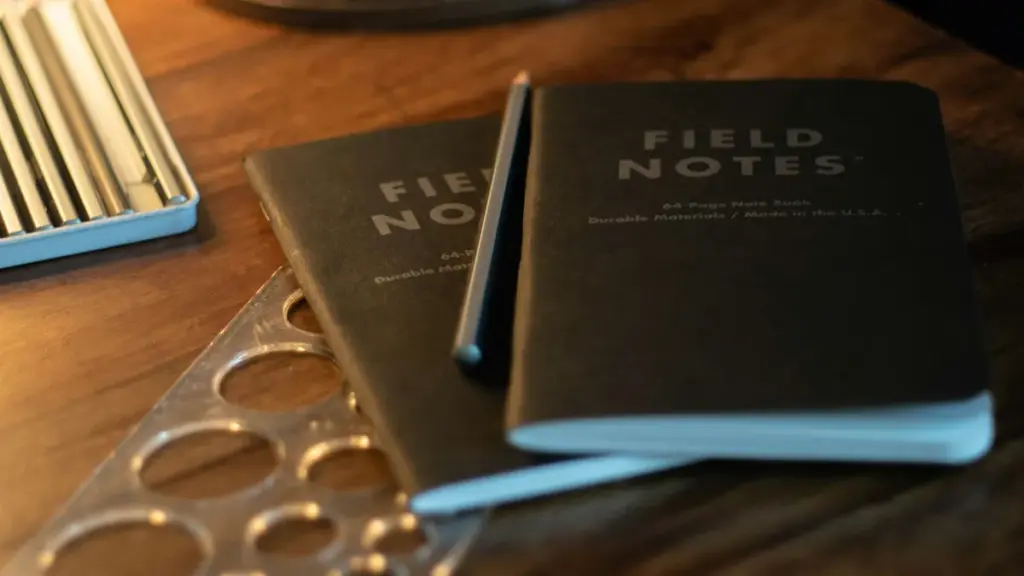
Evaluating a notebook’s true environmental impact requires looking beyond green labels to verify paper sourcing, chemical processing, cover materials, and end-of-life recyclability.
An eco-friendly notebook is not defined by one material alone. Its sustainability depends on the materials used, how they are processed, how much recycled content they contain, and how the finished product is packaged.
For example, a notebook may use recycled paper but still have a plastic-heavy cover or packaging. Another notebook may use FSC-certified paper and a recycled fabric cover. Both can be sustainable choices, but they have different environmental characteristics.
When sourcing eco-friendly notebooks, buyers should look at four main areas:
| Factor | What to Check |
|---|---|
| Paper | Recycled, FSC-certified, or other responsibly sourced paper |
| Cover | Recycled cardboard, kraft paper, recycled PU, fabric, or alternative materials |
| Recycled content | Percentage and source of recycled material |
| Packaging | Recyclable, recycled, or reduced packaging |
Recycled Paper, Kraft, and Cardboard Material Options

Optimal eco-notebook design pairs high-cleanliness pre-consumer fiber or PCR pages with unlaminated, 100% recycled paperboard covers to ensure complete recyclability in standard municipal waste streams.
Are your custom stationery projects meeting actual circular economy requirements, or just greenwashing? Selecting the right recycled paper, kraft, and cardboard material options requires matching structural performance with strict zero-waste design rules.
| Component | Material Class | Recommended Specifications | Primary Sustainability Benefit |
|---|---|---|---|
| Inner Pages | Recycled Offset Paper | 70–100 g/m² (30–50% PCR) | Saves trees, lowers water usage, avoids glare. |
| Soft Covers | Recycled Kraft Paper | 200–350 g/m² (Single- or multi-ply) | High tear resistance, unbleached chemical profile. |
| Rigid Hardcovers | Solid Recycled Paperboard | 250–600 g/m² (80–100% recycled) | Replaces plastic covers, fully recyclable. |
| Accents & Wraps | Lightweight Kraft | 80–150 g/m² | Replaces plastic shrink-wrap, easily printable. |
Recycled Fiber Standards and Content Benchmarks
Brands must distinguish between the two primary recovered fiber sources to set realistic environmental goals without compromising writing quality.
- Pre-consumer fiber: Diverted from manufacturing scrap like envelope trimmings and boxboard cuts, offering high cleanliness and sheet strength.
- Post-consumer recycled content (PCR): Collected from household and office recycling streams, directly diverting municipal waste from landfills.
- Target formulation: Recycled-content targets should be set according to the notebook’s intended use, writing performance, certification requirements, and cost target. Many commercial notebook designs can combine recycled-content inner pages with higher recycled content in the cover to balance performance and sustainability.
Recycled Paper Options for Inner Writing Pages
Recycled paper is one of the most common materials used in sustainable notebooks. It can be made from post-consumer paper, pre-consumer production waste, or a combination of both. Beyond inner writing pages, recycled paper can also be used for inserts, covers, dividers, and packaging components.
For notebook interiors, paper specifiers must match page weight and surface properties to the writing tools used. Modern recycling and paper-making processes can produce smooth writing surfaces with good ink absorption while retaining the natural appearance often associated with recycled materials.
- Uncoated offset text paper (70–100 g/m²): This weight minimizes glare and maximizes ink absorption for daily note-taking.
- High-recycled specialty paper: Contains up to 100% recycled fiber, highlighting a raw, speckled aesthetic preferred by eco-conscious retail lines.
- Fiber reuse limits: Paper fibers can undergo the recycling process multiple times before cellulose fibers become shorter and weaker, so some paper grades may require a blend of recycled and virgin fiber.
Kraft Materials for Covers and Packaging Accents
Kraft paper is another popular material for eco-friendly notebooks, especially when a brand wants a natural and understated appearance. Its characteristic brown color and visible paper texture create a strong visual connection with sustainability. Depending on its weight and construction, kraft paper can be used for notebook covers, inner dividers, pockets, belly bands, dust jackets, and packaging components.
The kraft process also provides good structural integrity and tear resistance, making the material suitable for both functional notebook components and branding accents. Unbleached kraft can further support a natural product appearance by avoiding the whitening process used for bright white paper grades.
- Soft covers: Multi-ply recycled kraft paper (200–350 g/m²) delivers durable, flexible protective covers.
- Branding accents: Lightweight kraft paper (80–150 g/m²) serves as recyclable belly bands, dust jackets, or custom wraps.
- Outer casings: Kraft linerboard preserves structural strength when designing protective slipcases or rigid storage options.
Recycled Cardboard and Paperboard for Rigid Components
Recycled cardboard provides greater structural strength than thin paper and is commonly used for hardcover notebooks. It can form the structural core of a cover and may be wrapped with printed paper, fabric, or other cover materials to create different visual and tactile finishes. This makes recycled paperboard particularly useful for premium corporate notebooks and gift products that require a more substantial feel.
Rigid stationery designs rely on appropriately selected paperboard to prevent cover warping and protect the inner pages. Notebook manufacturers should also consider how surface finishes and additional materials affect the notebook’s recyclability.
- Rigid hardcovers: High-density recycled paperboard (250–600 g/m²) provides a flat, robust cover profile.
- Transit packaging: Recycled corrugated cardboard with test liners protects stock during bulk shipping.
- Recyclability design rules: Eliminating plastic film lamination, heavy wax coatings, and metallic foils ensures covers process more easily in standard paper recovery systems.
Premium Corporate Gift Pens From 100 MOQ
Stone Paper, Seed Paper, and Alternative Eco Materials

Deploying alternative substrates like stone and seed paper lets brands eliminate virgin pulp while matching specific durability or circular marketing goals.
Selecting sustainable office supplies requires understanding how stone paper, seed paper, and alternative eco materials perform under commercial printing and usage demands. Each material targets distinct environmental issues, from protecting forests to eliminating landfill waste.
Stone Paper Properties and Stationery Applications
Stone paper is made primarily from calcium carbonate and a binder rather than conventional wood pulp. It has a smooth surface and a distinctive feel. It can be attractive for premium promotional notebooks, especially when the brand wants a material that looks and feels different from standard paper.
- Mineral Composition: Sheets consist of 80% to 90% upcycled calcium carbonate derived from limestone quarry waste, bound with a non-toxic high-density polyethylene (HDPE) resin.
- Waterless Processing: The manufacturing process requires no water, acids, or chlorine bleaching, eliminating the toxic effluents common in paper mills.
- Physical Durability: Inherent water resistance and tear resistance prevent damage from spills or outdoor exposure, extending the notebook’s functional lifespan.
- Writing Interface: The silky, low-friction surface allows ballpoint and gel pens to glide with minimal resistance, though wetter gel or fountain inks require extra drying time.
Seed Paper and Plantable Stationery Solutions
Seed paper is another interesting option for promotional products. It contains plant seeds within the paper, allowing the material to be planted after use. This creates a memorable connection between the promotional product and sustainability.
- Post-Consumer Base: Manufacturers mix recycled cotton rags or post-consumer paper scrap with water to form pulp, embedding non-invasive wildflower, herb, or vegetable seeds during the process.
- Zero-Waste Lifecycle: When planted in soil, the paper base quickly biodegrades, and the seeds germinate to grow live plants, leaving no trace behind.
- Compostable Composition: Sourcing pure seed paper means avoiding plastic lamination, metallic foil stamping, and synthetic varnishes that release microplastics or toxic chemicals into the soil.
- Targeted Use Cases: This textured material works best for plantable notebook covers, event programs, and high-engagement promotional gifts.
Other alternative materials, such as recycled cotton paper, bamboo-based paper, and agricultural-fiber paper, can also be considered depending on the required texture, printing quality, durability, and budget.
Recycled PU, Fabric, and Cover Material Innovations

Modern notebook covers use certified recycled PU and performance-grade fabrics to eliminate hazardous PVC chemicals and support clean disassembly without sacrificing long-term physical durability.
The notebook cover has a major influence on both appearance and perceived value. This is where material selection becomes especially important for corporate gifts and premium promotional products.
Recycled PU can provide a leather-like appearance while incorporating recycled material into the cover construction. It is suitable for executive notebooks, conference gifts, planners, and corporate gift sets where buyers want a more premium finish.
Recycled fabric provides another option. Fabric covers can use recycled textile fibers and create a softer, more distinctive surface. They work well for lifestyle brands, travel products, universities, and environmentally focused campaigns.
Recycled cardboard remains one of the most practical choices for large-volume promotional notebooks. It is lightweight, easy to print, and can support a wide range of cover designs.
If you are comparing PU, fabric, kraft, cardboard, paper, and other notebook cover options, see our detailed guide to Types of Notebook Cover Materials for a broader comparison of material characteristics, applications, printing methods, and cost considerations.
Eco Certifications Buyers Should Check Before Ordering
Sourcing sustainable notebooks requires verifying third-party environmental certifications to eliminate greenwashing and ensure strict compliance with corporate ESG procurement policies.
Core Fiber Sourcing Certifications (FSC and PEFC)
Before signing off on a bulk notebook order, procurement teams must verify the origin of the raw pulp. Uncertified virgin paper risks tie-ins to deforestation, which violates basic corporate ESG policies.
- FSC Recycled vs. FSC Mix: FSC Recycled guarantees 100% recycled fiber inputs, while FSC Mix combines certified virgin wood, recycled pulp, and controlled wood sources.
- PEFC Certification: This acts as a robust global alternative, proving a fully traceable chain-of-custody across the paper supply chain.
- On-Product Verification: Buyers must check for official certification logos with valid license numbers directly on the notebook back covers and technical product sheets.
Recycled Content Verifications
Generic claims of recycled materials carry zero weight without independent audits. We rely on distinct verification bodies to confirm the actual percentage and origin of the waste fiber.
- SCS Global (ISO 14021): Audits mass-balance calculations and verifies consistent material inputs over at least 30 days of continuous manufacturing.
- GreenCircle Certification: Differentiates genuine, high-impact post-consumer waste from standard pre-consumer factory scrap.
- Intertek Verification: Offers a three-year certification window with annual reviews, giving high-volume buyers long-term contract security.
- Global Recycled Standard (GRS): Mandates at least 20% recycled content and tracks social, environmental, and chemical safety parameters across textile covers or elastic closures.
Ink and Chemical Safety Standards
A notebook made of recycled paper can still harm local ecosystems if processed with toxic chemicals. Sourcing specifications must address both bleaching agents and print colorants.
- Chlorine-Free Processing: Require Processed Chlorine-Free (PCF) or Totally Chlorine-Free (TCF) designations to stop toxic organochlorine discharge into paper mill waterways.
- Bio-Based Inks: Specify soy or vegetable-based inks instead of petroleum alternatives to slash volatile organic compound (VOC) emissions and allow cleaner de-inking during eventual recycling.
- Heavy Metal Restrictions: Review laboratory data sheets to ensure the complete absence of heavy metal pigments and restricted chemical stabilizers in the final print run.
Overall Environmental Performance and Bio-Based Labels
Evaluating a notebook requires looking at its entire lifecycle rather than focusing solely on fiber. Broader multi-attribute certifications provide a holistic view of factory emissions, chemical handling, and material renewability.
- Green Seal: Evaluates holistic lifecycle impacts, ensuring products meet strict thresholds for manufacturing emissions, toxicity, and raw material sourcing.
- USDA BioPreferred: Verifies the exact percentage of renewable biological ingredients used in bio-plastic binders, spirals, or starch-based adhesives.
- Sourcing Priority: Procurement teams should treat bio-based labels as secondary to post-consumer recycled content to keep supporting established paper recycling markets.
Verification Checklist and Sourcing Specifications
To convert environmental policies into concrete buying criteria, include exact parameters in the request for proposal (RFP). This baseline filters out unverified vendors early in the process.
- Registration Audits: Demand official registration numbers for FSC, PEFC, or GRS certificates and verify their active status on public certification databases.
- Post-Consumer Dominance: Reject generic recycled labels. Mandate high post-consumer waste (PCW) metrics, aiming for 80% to 100% PCW, rather than industrial mill scrap.
- Simplified Disassembly: Mandate plastic-free construction, unlaminated covers, and easily removable metal spirals or sewn bindings to ensure hassle-free processing at local recycling plants.
Best Eco Notebook Materials for Retail and Promotional Use

How do commercial procurement teams source the best eco notebook materials without falling for greenwashed marketing fluff? The raw materials you specify directly dictate your brand’s ecological credibility, production costs, and final writing performance.
Core Paper Materials and Sustainable Alternatives
Conventional virgin paper production drives deforestation and consumes massive volumes of water. Transitioning to recovered or alternative plant-based fibers changes the entire resource footprint of your product line.
- 100% Post-Consumer Recycled Paper: This feedstock stands as the most recognized sustainable option for mass retail, directly diverting waste from municipal landfills and reducing the demand for virgin timber.
- Tree-Free Substrates: Papers derived from hemp, stone, or agricultural waste (such as bagasse) offer a highly distinct tactile experience that immediately sets premium, niche retail lines apart.
- Aesthetic Variations: Recycled fibers naturally vary in whiteness and texture, meaning buyers must balance a rustic, speckled eco-aesthetic with the need for high-fidelity printability.
Eco-Friendly Covers, Bindings, and Inks
A truly sustainable notebook requires looking beyond the inner pages. Covers, inks, and bindings must also align with circular design principles to ensure clean end-of-life processing.
- Natural Covers: Responsibly sourced raw covers and plastic-free construction improve physical durability and shelf appeal without relying on synthetic laminates that ruin recyclability.
- Soy and Plant-Based Inks: Using soy-based or vegetable-derived inks ensures the manufacturing process minimizes volatile organic compounds (VOCs) while still producing crisp, high-contrast brand graphics.
- Circular Bindings: Biodegradable or easily removable reusable bindings prevent end-of-life waste, transforming a typical disposable notebook into a circular product.
Material Selection by Target Audience and Use Case
Different buying segments prioritize different ecological signals. Matching the material bill-of-materials to your specific distribution channel optimizes both budget and brand impact.
- Mass Retail and Budget Promotions: This segment benefits most from cost-effective 100% recycled paper sheets paired with simple, rugged unlaminated kraft-style covers.
- Corporate Gifting: Premium giveaways demand a highly polished combination of natural covers, soy-based custom inks, and durable lay-flat stitched bindings.
- High-End Eco Retail: Artisan buyers respond strongest to highly unique tree-free substrates, such as stone paper or seed paper, and entirely plastic-free builds that tell a clear, circular story.
Sourcing Criteria and Verification for Commercial Buyers
Procurement teams must verify environmental claims prior to placing large-scale production orders. True sustainability requires rigorous documentation rather than loose brand promises.
- Third-Party Certifications: Forest Stewardship Council (FSC) certificates and audited 100% post-consumer waste labels deliver verified environmental credibility that protects your brand from greenwashing.
- Material Audits: Conducting a complete audit of the factory’s bill of materials is critical to ensure that cover laminates, construction glues, and binding coils remain entirely plastic-free.
- Value Alignment: Smart sourcing means matching the material to the audience’s core values, choosing standard recycled stock for volume efficiency, and selecting stone or seed paper to anchor high-margin premium positioning.
Establishing these strict sourcing guidelines ensures that your final products perform perfectly under daily use while maintaining clear, auditable ecological integrity.
Why Work With Le-Tian Gifts for Sustainable Notebook Projects?
Choosing the right manufacturer is important when sustainability, customization, and consistent quality all matter. Le-Tian Gifts combines notebook manufacturing with pen and corporate gift production, making it easier to develop a complete branded solution.
Key advantages include:
- 10M+ pens annual production capacity: Established manufacturing capabilities support stable supply for large-scale promotional and corporate gift programs.
- Flexible eco-friendly materials: Options include recycled paper, kraft, recycled cardboard, recycled PU, fabric, and other sustainable material solutions.
- Customized notebook development: Customize paper, cover, size, binding, printing, packaging, and other details to match your brand requirements.
- Sustainable gift-set solutions: Build complete eco-friendly gift sets with customized notebooks, pens, and packaging. Le-Tian offers recycled covers, recycled and stone paper, biodegradable materials, and FSC-certified options, backed by BSCI-audited and RoHS-compliant production standards.
- Factory-direct production: Direct manufacturing helps improve production control, material consistency, and communication throughout the project.
- Low MOQ from 100 pieces: Suitable for product testing, promotional campaigns, corporate gifting, and larger-volume orders.
- One-stop sourcing: Work with one supplier for notebooks, pens, and branded gift sets, helping simplify procurement and maintain consistent branding.
Ready to create your sustainable notebook project? Contact Le-Tian Gifts to discuss your materials, design, quantity, and branding requirements.
FAQs
What materials are used in eco-friendly notebooks?
Common materials include recycled paper, kraft paper, recycled cardboard, FSC-certified paper, recycled PU, recycled fabric, stone paper, and seed paper. A notebook can also combine several materials, such as recycled cardboard for the cover and recycled paper for the inner pages.
Is recycled paper good for notebook quality?
Yes. Recycled paper can provide good writing performance when the correct paper grade is selected. The key factors are paper weight, smoothness, brightness, opacity, and the intended writing instrument. A sample test is recommended before bulk production.
What is stone paper in notebooks?
Stone paper is a paper-like material made mainly from calcium carbonate and a binder. It has a smooth, distinctive surface and can be used for notebook pages or covers. Buyers should check the exact material composition and disposal requirements rather than treating all stone paper products as automatically eco-friendly.
Are seed paper notebooks practical for branding?
Yes, especially for campaigns where sustainability is part of the brand message. Seed paper has a natural texture and can make a promotional notebook more memorable. Because its surface differs from standard paper, printing and writing performance should be tested before production.
How much recycled content should a sustainable notebook have?
There is no single recycled-content percentage that is right for every notebook. The best target depends on the product’s function, certification requirements, budget, and material availability. Instead of focusing only on a percentage, buyers should ask what material is recycled, where it comes from, and whether the claim can be verified.
What certifications matter for eco notebook sourcing?
FSC and PEFC are important for forest-based paper and board materials, while GRS can be relevant to recycled textile and other applicable recycled materials. Buyers should always check whether the certification applies to the actual material and product being ordered.