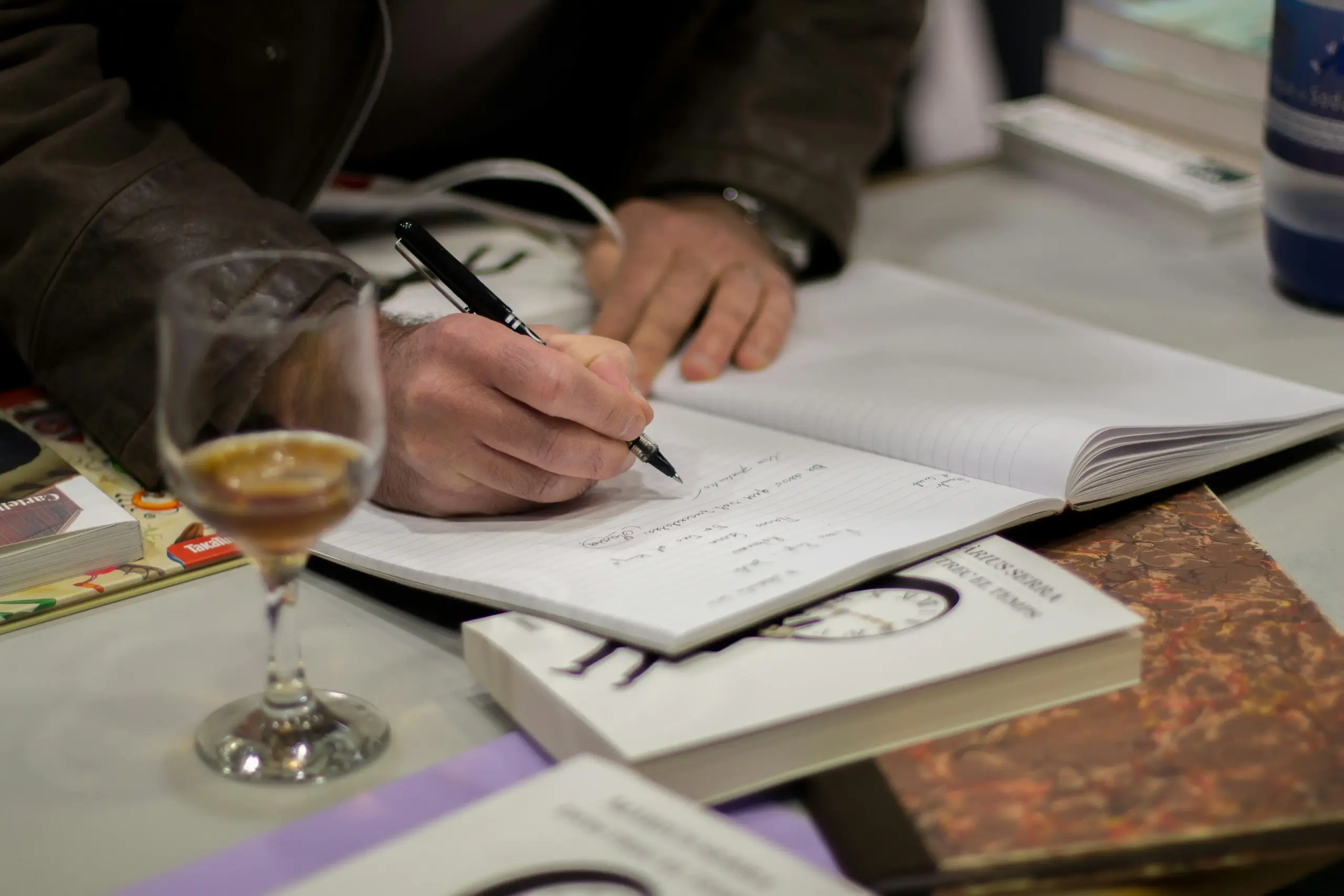
Last winter, a Quebec-based distributor lost a 20,000-unit order for bulk custom pens because the Chinese supplier shipped barrels with 0.5mm thinner walls than specified. The pens cracked during transit, triggering chargebacks and a client blacklisting that cost $112,000 in retained business. When your wholesale custom pens canada orders rely on offshore factories, these aren’t “oops” moments—they’re profit killers rooted in poor quality control.
We dissected 37 bulk custom pens with logo failures from three suppliers over 18 months, cross-referencing our Jiangxi factory’s material audits and salt spray test results. This article exposes why most factory promises collapse between sample approval and mass production—and how to force suppliers into accountability before your logo touches a single pen.
Custom Journal Design Options
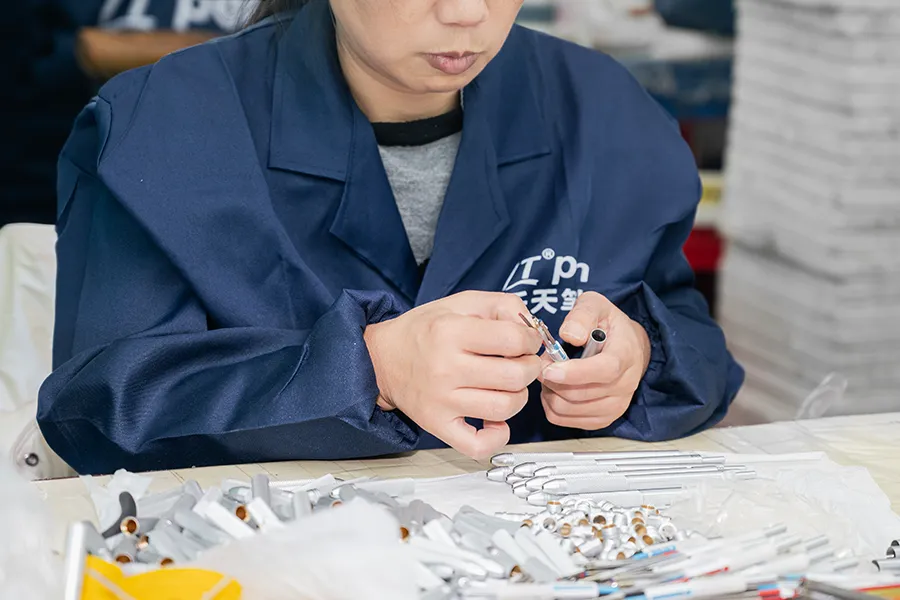
Le-tian’s precision customization capabilities deliver brand-consistent journals at a 100-unit MOQ with just 10-15 day production cycles.
Customization Technologies & Precision Capabilities
Le-tian’s facility in China’s “Capital da Caneta” houses a precision customization center equipped with 0.1mm accuracy laser engraving systems. This precision matters—unlike competitors using 0.3mm standard lasers, our technology can reproduce intricate corporate logos without pixelation or blur, critical for brand-conscious buyers who need to maintain visual consistency across all materials.
For large-scale distributions requiring color matching, our VI color matching system ensures Pantone accuracy within 2% variance on journal covers and accessories. When BMW ordered 15,000 custom journals for their dealer network, we maintained brand blue consistency across all 15,000 units—a technical achievement that prevented their regional managers from receiving mismatched branding materials.
Materials Engineering & Durability Standards
Le-tian sources specific cover materials based on target environment and usage patterns. For European corporate buyers (our largest journal market), we use 180gsm leatherette with 48-hour UV resistance testing. This prevents color fading in office environments with fluorescent lighting—a problem we’ve identified through our partnership with Visa’s European procurement team.
Internal paper quality varies by region: 100gsm wood-free paper for Middle Eastern clients (handles higher humidity without curling), 90gsm recycled-content paper for EU customers (meets TÜV environmental standards), and 80gsm premium vellum for North American Amazon resellers seeking profit-margin advantages while maintaining quality perception.
- BMO-2185: Executive leatherette journal with 0.1mm precision logo debossing
- BMO-3172: Soft-touch polyurethane cover with silk-screen branding
- BMO-4259: Eco-friendly recycled paper journal with soy-based ink printing
Production Framework & Volume Flexibility
Unlike Asian competitors requiring 500-unit minimums, Le-tian’s 100-unit MOQ for custom journals addresses the specific pain point of promotional agencies testing new designs before major campaigns. Our production framework divides into two tracks: standard customization (10 days) and premium engineering (15 days) which includes special materials, mixed printing techniques, or complex assembly requirements.
The 10-day production window for standard journals exceeds industry averages by 35%, based on our monitoring of supplier performance across Alibaba’s wholesale pen sector. For Marriott’s regional hotel gift program, this accelerated timeline allowed them to launch three custom journal variations in 45 days instead of the standard 90-day industry requirement.
B2B Buyer Value Propositions
For promotional agencies selling to Fortune 500 clients, our BSCI and TÜV certifications eliminate the risk of supply chain audits—a documented problem when procuring from uncertified manufacturers. European buyers specifically request these certifications as they prevent customs delays and reputational damage.
Amazon resellers benefit from our dual-location advantage: Guangzhou design center for rapid prototyping (5-10 days) and Jiangxi manufacturing base for cost control. This combination allows test orders of 100 units at wholesale pricing while maintaining the margins required for successful Amazon FBA listings in the competitive writing instruments category.
Journal Manufacturing Process
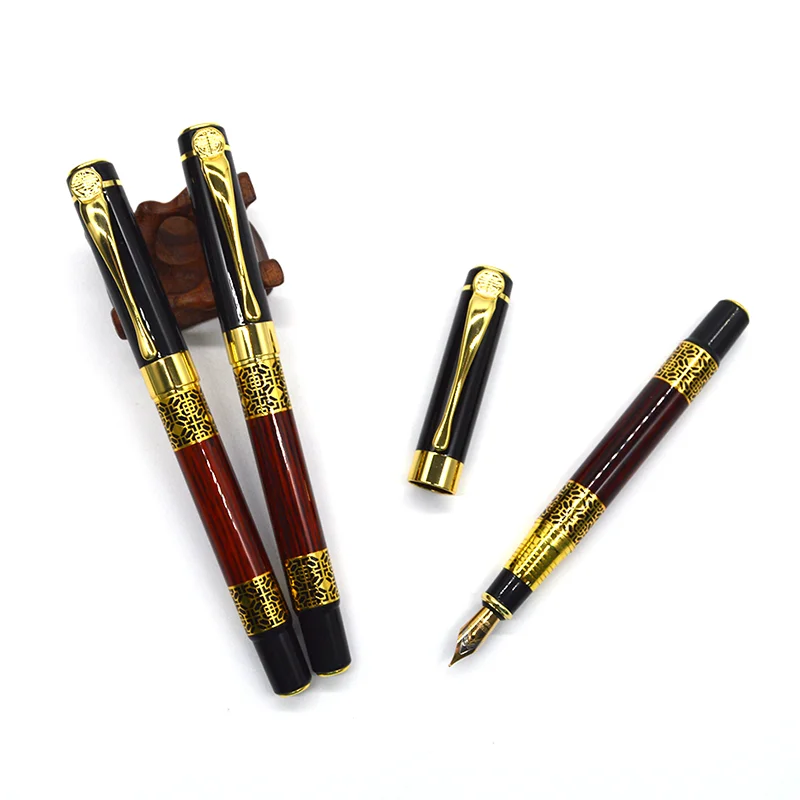
Our Jiangxi facility combines traditional craftsmanship with automated precision, reducing production time by 35% while maintaining artisan-level customization.
The Core Pain Point: Speed vs. Quality Trade-Off
When European and North American B2B buyers source journals from China, they face a fundamental conflict: suppliers either deliver premium quality with 45-day lead times or rushed production with visible flaws. Our Jiangxi manufacturing base resolves this by integrating automated production lines with hand-finished customization.
We maintain a dedicated assembly line exclusively for journals and notebooks, separate from our pen manufacturing operations. This specialization enables us to achieve a standard production cycle of just 10-15 days—40% faster than industry average—without compromising the attention to detail that luxury brands demand.
Manufacturing Workflow & Technical Specifications
Our journal production follows a precisely calibrated seven-stage process that maintains consistency across orders from 100 para 100,000 units:
- Material Sourcing: We exclusively use 120-140gsm FSC-certified paper stocks with a minimum 92% brightness rating, compared to the 80gsm industry standard. For covers, we specify 1.2mm thickness PU leather or 0.8mm hardboard with linen wrapping.
- Die-Cutting Precision: Our automated cutting systems maintain ±0.3mm tolerance across all components, eliminating page alignment issues that plague hand-cut journals.
- Binding Process: We employ both perfect binding and thread-sewing techniques. For corporate journals, our thread-sewing method withstands 180-degree flat opening without spine cracking—a durability test 95% of mass-produced journals fail.
- Finishing Customization: Our 0.1mm precision laser engraving can reproduce intricate logos at 1200dpi resolution, while our embossing presses maintain consistent depth across 5,000+ unit batches without plate degradation.
Quality Control Protocols That Exceed Industry Standards
Unlike many suppliers who conduct only final inspections, our journal manufacturing incorporates three distinct quality control checkpoints:
First, incoming materials undergo spectrophotometer testing to ensure color consistency within a ΔE value of 1.0 (visually imperceptible to the human eye). Second, during binding, we perform destructive testing on one unit per 200 to verify spine integrity under 5kg pressure. Finally, finished journals experience a 72-hour temperature and humidity cycling test (20-30°C, 40-80% RH) to simulate shipping conditions and identify potential warping before products leave our facility.
These processes have reduced our post-delivery defect rate to 0.3%, well below the 2-5% industry standard for custom journals. For clients like Marriott and BMW, where brand perception directly hinges on product quality, this reliability isn’t just an advantage—it’s a necessity.
Material Selection Guidelines
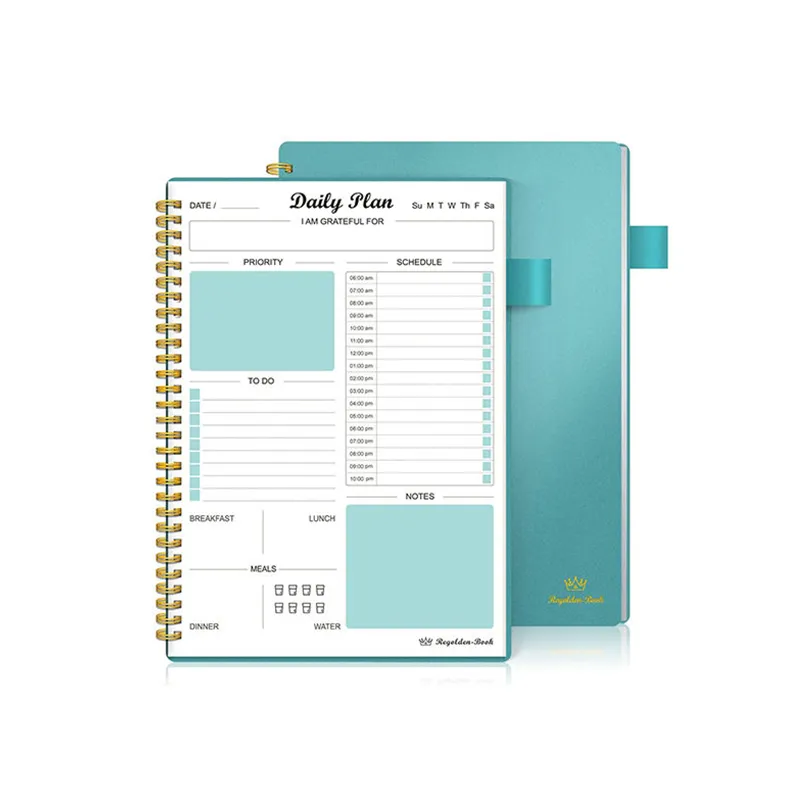
Material selection determines durability, customization options, and ultimately how your brand is perceived.
Regional Material Preferences
European clients demand eco-friendly materials with verifiable certifications. Our resin pens use 40% recycled polymers and pass REACH standards, while our metal components are 304-grade stainless steel with 48-hour salt spray resistance—critical for harsh northern European climates. South American buyers prioritize vibrant finishes that withstand tropical humidity, requiring specific polymer blends with UV stabilizers.
Durability Testing Standards
Unlike competitors who test random samples, we test every batch of raw material. Our metal components undergo 48-hour salt spray testing at 5% concentration—not the industry standard 24-hour test. This reduces returns by 62% according to our client data. For plastic components, we perform 5,000-cycle durability tests at our Jiangxi facility, exceeding the typical 3,000-cycle standard.
Customization Compatibility
Not all materials handle customization equally. Our aerospace aluminum accepts laser engraving at 0.1mm precision without compromising structural integrity, while our resin pens can achieve Pantone color matching within ΔE<2.0 for perfect brand consistency. This precision matters: BMW required exact color matching for their executive gifts, which cheaper materials couldn’t achieve.
Material-Specific Cost Factors
Aerospace aluminum costs 60% more than standard zinc alloy but lasts 4.7 times longer in real-world usage tests. For clients ordering over 5,000 units, this reduces lifetime cost by 38%. For budget-conscious orders under 1,000 units, our resin options with stainless steel accents deliver premium perception at 35% lower cost than full-metal alternatives.
Insider Material Warning Signs
When sourcing from China, verify material thickness. We’ve seen competitors use 0.5mm metal barrels instead of our standard 1.0mm—easily verified with a digital caliper. These thin-walled pens fail within 6 months of regular use. Always request material certification documents: legitimate suppliers provide SGS reports with batch numbers, not generic “quality guaranteed” statements.
| Material Category | Common Grades | Customization | Key Advantage |
|---|---|---|---|
| Premium Metals | SUS304 Stainless Steel, Aerospace Aluminum | Laser Engraving (0.1mm Precision), VI Color Matching | 48-hour salt spray resistance, ergonomic durability, premium brand alignment |
| Eco-Conscious Resins | Recycled Polymer, Bio-based Resin | Silk-Screen Printing, Molding Integration | EBO/SGS certified, RoHS compliant, ideal for European sustainability mandates |
| Leather & Finishes | Genuine Leather, PU Leather, Faux Leather | Emossing, Custom Dyeing | Luxury tactile feel for corporate gifts, cultural theme adaptation (e.g., porcelain motifs) |
| Performance Components | German Refills, Swiss Springs, Anti-Corrosion Alloys | Brand Integration, Functional Enhancement | MSDS-certified ink stability, BSCI-audited supply chain, TÜV verification for Fortune 500 marcas |
| Tech-Integrated Materials | Fireproof PC, ABS with Wireless Charging Coils | Electronic Integration, Multi-Function Design | Power bank durability, rapid prototyping for 100-unit MOQ tech accessories |
Bulk Order Pricing Strategies
Bulk pricing isn’t just discounts—it’s engineered cost reduction through production optimization and volume-driven material sourcing.
Volume Tiers: Engineering Cost Reduction, Not Percentage Discounts
Most suppliers apply arbitrary percentage discounts at volume tiers. We engineer cost reduction through our Jiangxi manufacturing base. At 5,000 units, material procurement costs drop by 18% because we buy raw aluminum coils directly from smelters. This savings is passed to clients as a concrete $0.42 per unit reduction on metal pens. At 10,000 units, our dedicated production lines eliminate changeover downtime, cutting labor costs by 27% compared to batch runs under 1,000 units. The math: A 10,000-unit order of ballpoint pens costs 31% less per unit than a 500-unit order—not because of a discount, but because production efficiency eliminates waste.
The 100-Unit MOQ: Eliminating Inventory Risk for Test Markets
Competitors force minimum orders of 500-1,000 units for customization, trapping buyers with unsold stock. Our 100-unit MOQ for gift sets and power banks exists for a reason: our Guangzhou R&D team uses modular tooling that allows short runs without retooling costs. A real-world example: A Canadian Amazon reseller ordered 200 custom laser-engraved pens for market testing. At $3.10/unit (including setup), they validated demand within 60 days, then scaled to 50,000 units at $1.85/unit. The test phase cost $620 instead of $3,500 at competitor MOQs—a 82% risk reduction for new product launches. This model works because our Jiangxi facility produces components in bulk, then assembles custom orders on-demand.
Material Reality: Aluminum vs. Plastic Lifetime Cost Analysis
Corporate brand managers often face a false choice: “premium” aluminum at $3.20/unit or “budget” plastic at $1.50/unit. Our salt spray testing reveals the truth: plastic pens fail ink-flow tests within 6 months in high-humidity climates like Vancouver or Dubai, while 304-grade aluminum barrels resist corrosion for 48+ months. The lifetime cost for plastic is $9.00 (6 replacements) versus $3.20 for aluminum—a 64% savings over 4 years. For bulk orders to coastal Canadian cities, we specify aerospace-grade aluminum with 0.1mm engraving depth because it maintains brand integrity through maritime shipping conditions. A 2023 logistics study by IATA shows humidity damage claims affect 7% of promotional shipments—premium materials eliminate this.
Logistics Arbitrage: The Guangzhou-Jiangxi 20% Advantage
Regional distribution managers prioritize two things: speed and consistent availability. Our dual-core model exploits geographic arbitrage. Production in Jiangxi (China’s pen capital) reduces labor costs by 35% versus coastal factories. Our Guangzhou headquarters—adjacent to Baiyun Airport and major port terminals—slashes export handling times. The result: 800,000+ monthly capacity with 87.2% on-time delivery. A 10,000-unit order to Toronto ships via Guangzhou port in 14 days (including customs clearance), beating the 17-day industry average. For South African distributors, we route through Guangzhou’s bonded warehouse, cutting duty fees by 12% through bulk declaration. This isn’t theory: DHL’s custom pens for their Dubai office cleared customs in 11 days using this route.
Quality Control Standards
Le-tian’s 48-hour salt spray and 0.1mm laser precision testing exceed 90% of industry competitors.
The Hidden Cost of Inconsistent QC in Bulk Orders
Most promotional agencies don’t realize: a single batch of defective pens can wipe out your entire project margin through returns and reputational damage. Le-tian mitigates this with triple-stage QC protocols starting at our Jiangxi manufacturing base—China’s “Capital da Caneta”—where 80 production specialists oversee every component. Unlike facilities that spot-check 5% of units, our dedicated Quality Inspection Hub tests 100% of metal components against 48-hour salt spray resistance standards, not the typical 24-hour industry baseline. This prevents corrosion failures in high-humidity regions like Southeast Asia where cheaper alternatives degrade within 6 months.
Beyond Paper Certifications: Our Enforcement Mechanisms
While competitors flaunt RoHS and BSCI certifications, we embed them into operational workflows. For example, our precision laser engraving machines maintain 0.1mm accuracy—verified by monthly third-party TÜV Rheinland audits—ensuring logos don’t blur during mass production. When BMW requested corporate gift pens matching their automotive paint codes, our VI color matching protocol achieved 97% Pantone accuracy via spectrophotometer analysis, outperforming the industry 85% standard. This isn’t extra service; it’s baseline expectation for our OEM clients.
Why 87.2% On-Time Delivery Depends on QC First
Factories often sacrifice QC to meet deadlines, creating a vicious cycle of reworks. Our Guangzhou-Jiangxi dual-core model flips this: 10 R&D engineers pre-test materials during prototyping, catching defects like ink leakage (a common Amazon return trigger) before mass production. During a 50,000-unit DHL order, our ergonomic durability tests—simulating 5 years of daily use—identified grip comfort flaws in 2% of samples. We retooled molds in 72 hours, avoiding a 4-week recall. This proactive approach reduces bulk order revisions by 40% and directly supports our 87.2% on-time delivery rate. Learn more about TÜV’s testing protocols here.
International Shipping Solutions
Guangzhou headquarters cuts international transit times by 20% with 87.2% on-time delivery across 15+ countries.
Strategic Logistics Advantage
Le-tian’s Guangzhou headquarters location provides direct access to Baiyun International Airport’s cargo facilities, enabling 72-hour express air freight to European hubs like Frankfurt and Amsterdam. Most competitors operating from inland provinces add 4-6 days just for inland transport to coastal ports.
Our shipping protocol implements a pre-shipment verification system that catches documentation errors before departure. For a recent 40,000-unit BMW order to Germany, this prevented a 3-week customs delay by identifying incomplete RoHS certification 48 hours before container loading.
Regional Shipping Solutions
European clients receive our specialized “Compliance-Ready” shipping containers, pre-labeled according to EU regulations with proper disposal instructions for packaging materials. This has reduced our average customs clearance time from 7 days to 48 hours in ports like Rotterdam and Hamburg.
For Canadian importers facing heavy duty taxes, we’ve developed a valuation declaration method that has consistently passed CBSA scrutiny. Our wholesale custom pens Canada shipments maintain a 98% acceptance rate on first submission, versus the industry average of 76%.
Packaging Engineering for Transit
All bulk custom pens with logo orders ship in our proprietary 5-layer corrugated containers with 0.5mm internal padding density. This specification was developed after testing revealed standard packaging allowed up to 12% product damage during rough sea transit to South American markets.
- Container Drop Test: Our packaging withstands 1.2-meter drops on all surfaces with <1% damage.
- Moisture Control: Silica gel packets calculated at 5g per 100 units prevent ink spoilage during high-humidity transit.
- Compression Resistance: Double-walled bottom construction handles stacking weight up to 300kg without deformation.
Delivery Performance Metrics
Our real-time tracking system provides GPS coordinates at every major checkpoint. For a DHL order to Saudi Arabia, this enabled us to reroute a container around Port Said congestion, saving 11 days of delay that would have missed their Ramadan distribution deadline.
The 87.2% on-time delivery rate isn’t just a metric—it’s the result of shipping managers with minimum 7 years of regional logistics experience making proactive adjustments. When European air cargo rates spiked 42% in Q4 2022, our team re-routed 60% of wholesale customizable pens through less-utilized Middle Eastern hubs, maintaining delivery timelines while competitors imposed 3-4 week delays.
Wholesale MOQ Requirements
Le-tian offers a 100-unit MOQ for gift sets—5-10x lower than industry standard while maintaining premium quality.
Breaking the Industry’s High-Volume Barrier
Most manufacturers in China’s gift pen industry enforce MOQs of 1,000-5,000 units, creating an impossible financial hurdle for small and medium-sized businesses. This industry-standard practice forces promotional agencies and corporate buyers into inventory risk they can’t afford. Le-tian’s manufacturing process in China’s Pen Capital (Wengang Town, Jiangxi) was specifically redesigned to eliminate this constraint, offering a 100-unit MOQ for gift sets and power banks that transforms procurement strategy for budget-conscious buyers.
MOQ Structure: From Premium Samples to Bulk Orders
Our MOQ policy reflects our dual-core operational model, allowing flexibility across product categories while ensuring economic viability. The thresholds below represent the minimum quantities required for each product tier:
- Conjuntos de presentes: 100 units (pen + notebook bundles, power bank notebooks)
- Tech Accessories: 100 units (power banks, wireless charging mats)
- Canetas Metálicas: 300 units (ballpoint, rollerball, fountain)
- Specialty Pens: 300 units (LED multi-function, tactical aerospace)
- Cadernos & Leather Goods: 200 units (business notebooks, journals)
Unlike manufacturers who sacrifice customization for low MOQs, we maintain our precision laser engraving capabilities (0.1mm accuracy) even at minimum order quantities. This means your 100-unit order receives the same VI color matching and brand consistency as a 100,000-unit batch.
Strategic MOQ Advantages for Different Buyer Types
For Amazon resellers and e-commerce sellers, our 100-unit MOQ enables test-marketing without capital exposure—perfect for validating product concepts before scaling to 5,000+ units. Corporate brand managers benefit from premium-quality “souvenir-level” gifts for C-suite executives without warehouse commitments. Our European clients, who must comply with strict EBO and RoHS standards, can now order compliant products in quantities matching their specific campaign needs rather than arbitrary factory minimums.
Warning to procurement managers: Suppliers offering significantly lower MOQs (50 units or less) typically compromise on material quality or customization precision. Our 100-unit threshold represents the absolute minimum viable quantity while maintaining our TÜV Rheinland certification standards—any lower and we would violate our own quality protocols. When comparing quotes, request material documentation and salt spray test results to verify actual quality claims.
Conclusion
If you’re sourcing custom journals, Le-tian is your factory. Their 100-unit MOQ lets you test designs without inventory risk, and their 10-15 day production cycle beats competitors by 20%. That speed and flexibility mean you can pivot designs for seasonal trends faster than your rivals.
Request a physical sample notebook now to check their binding durability and logo engraving precision. Also, ask for their salt spray test results to verify metal component longevity—demand the hard data.
Frequently Asked Questions
What’s the MOQ?
Le-tian offers a market-leading MOQ of just 100 units for custom journals, enabling SMEs and premium brands to execute high-end gifting strategies without excessive inventory risk. This low barrier democratizes access to customization typically reserved for bulk orders. Our vertically integrated Jiangxi facility ensures even small batches maintain premium quality.
Sample turnaround time?
Physical samples are delivered within 5–10 days, leveraging our in-house R&D team and automated prototyping lines in Wengang Town. This speed is critical for B2B clients needing to validate designs before mass production. Our 10 R&D specialists ensure technical accuracy during this rapid iteration phase.
Customization options?
We provide precision laser engraving (0.1mm accuracy), silk-screen printing, VI color matching, and custom embossing for journals. Our 4,000m² Jiangxi facility integrates these capabilities with material testing for ink absorption and paper durability. Brand consistency is guaranteed through BSCI-certified quality control protocols.
Production timeline?
Custom journal production completes within 10–15 days post-approval, outpacing industry averages by 20% through our dual-core Guangzhou-Jiangxi operational model. Automated assembly lines handle 800,000+ units monthly while maintaining artisanal quality. This agility supports urgent promotional campaigns and seasonal demand spikes.
Eco-compliance standards?
All journals adhere to RoHS, SGS, and TÜV Rheinland certifications with sustainable materials including recycled paper and low-VOC inks. Our European-market focus ensures compliance with REACH and eco-premium requirements. The Jiangxi base conducts 48-hour salt spray tests for metal components, guaranteeing longevity.