If you are planning to source pens for promotions, retail, or branded gift projects, the pen manufacturing cost can vary a lot based on material, structure, decoration, packaging, and order quantity. For most bulk orders, simple plastic pens sit at the low end of the range, while metal pens, gift sets, and highly customized styles cost more because they involve higher material, processing, and finishing costs.
In the sections below, we break down factors that effect pen manufacturing cost and what buyers can do to control budget without giving up quality.
How Much Does It Cost to Manufacture a Pen? (Quick Answer)
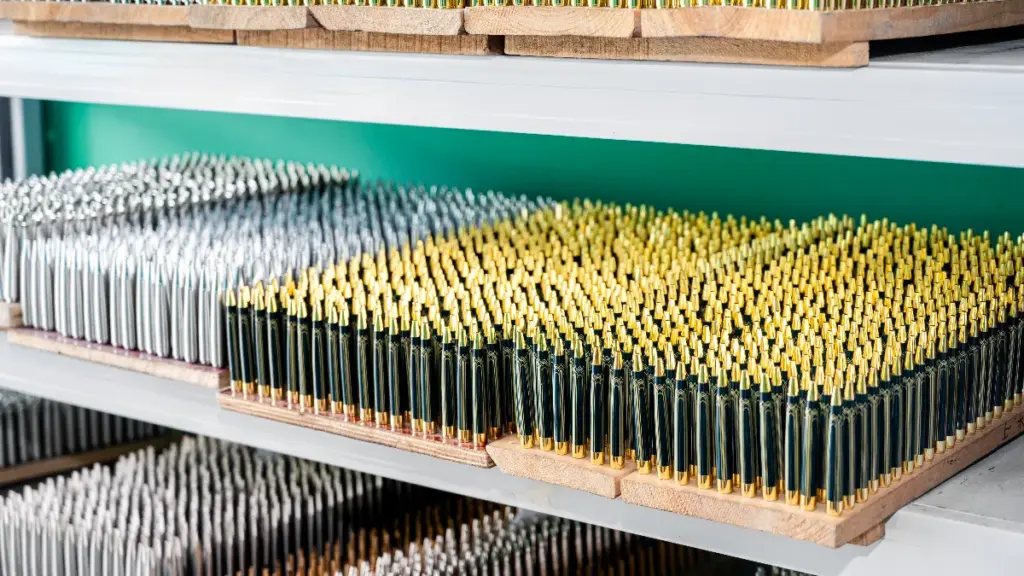
In most cases, a pen costs anywhere from $0.05 to over $2.00 per piece at factory level for standard quality products, depending on material, pen type, order quantity, and customization requirements.
Plastic pens for mass promotion sit at the lower end of the range, while metal pens and premium writing instruments are structurally more expensive due to higher material and processing costs.
Below is a summarized pen cost table for your quick reference based on bulk production in China pen factories:
| Material | Type | Bulk (10k+) |
Small (500–1k) |
Custom |
|---|---|---|---|---|
| Plastic | Ballpoint Pen | $0.07–0.12 | $0.10–0.25 | $0.12–0.30 |
| Gel Pen | $0.08–0.15 | $0.12–0.35 | $0.15–0.40 | |
| Rollerball Pen | $0.12–0.25 | $0.18–0.40 | $0.20–0.50 | |
| Stylus Pen | $0.12–0.22 | $0.18–0.35 | $0.20–0.45 | |
| Metal | Ballpoint Pen | $0.30–0.80 | $0.50–1.20 | $0.60–1.50 |
| Gel Pen | $0.30–0.70 | $0.50–1.00 | $0.60–1.20 | |
| Rollerball Pen | $0.80–1.50 | $1.20–2.00 | $1.50–2.50 | |
| Fountain Pen | $1.00–2.50 | $1.50–3.50 | $2.00–4.00+ | |
| Stylus Pen | $0.40–1.20 | $0.80–2.00 | $1.00–2.50 | |
| Gift Set | Pen Set | $1.00–2.50 | $1.50–3.50 | $2.00–5.00+ |
Key Factors That Affect Pen Manufacturing Cost
The factory cost of a pen changes with material, structure, decoration, packaging, order size, and quality standard. Among these, material and product specification usually create the biggest price gap, especially when the project involves metal pens, custom finishes, or gift packaging.
Raw Material
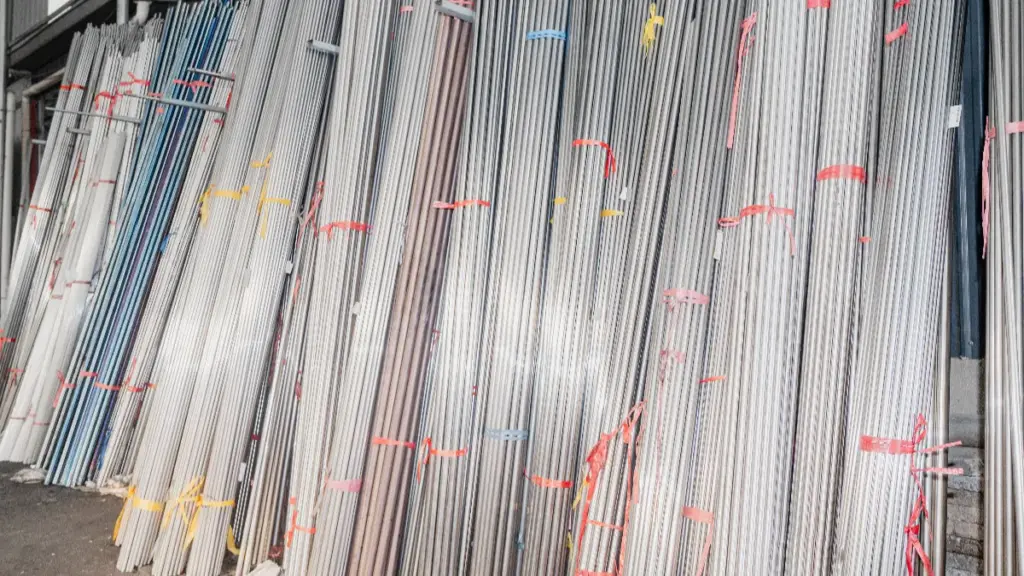
Material is usually the first factor that changes the cost range of a pen. Plastic pens and metal pens may look similar in function, but their raw material cost, processing method, scrap rate, and finishing requirements are very different.
For plastic pens, common materials include:
- ABS: widely used for pen barrels and clips because it is stable, easy to mold, and cost-effective.
- PP: lighter and usually cheaper than ABS, often used in simpler promotional pen styles.
- Recycled plastic: useful for eco-focused products, but the price may rise depending on sourcing consistency and color control.
For metal pens, common materials include:
- Aluminum: lightweight, corrosion-resistant, and suitable for anodizing, so it is common in promotional metal pens. Its cost is usually lower than brass or stainless steel in many standard pen projects.
- Brass: heavier and more premium in hand feel, often used in executive pens because it machines well and gives a stronger finished look. It usually costs more than aluminum.
- Stainless steel: durable and resistant to wear, but it is harder to machine and finish, so production cost can increase further.
Material also affects decoration. Some surfaces are easier for silk printing, while others are better for laser engraving, UV printing, plating, or color coating. Once surface treatment becomes more demanding, the unit price rises with it.
Pen Type and Internal Structure
The type of pen has a direct effect on production cost because each structure uses different parts, assembly steps, and tolerance requirements. A simple stick ballpoint pen is much easier to produce than a twist pen, stylus pen, rollerball pen, or fountain pen.
Different pen types usually affect cost in these ways:
- Ballpoint pens: generally the most cost-efficient because the structure is simple and production is highly standardized.
- Gel pens: often cost more than basic ballpoint pens because of ink system differences and writing performance expectations.
- Rollerball pens: usually need better sealing and more stable refill control, which can increase production and QC cost.
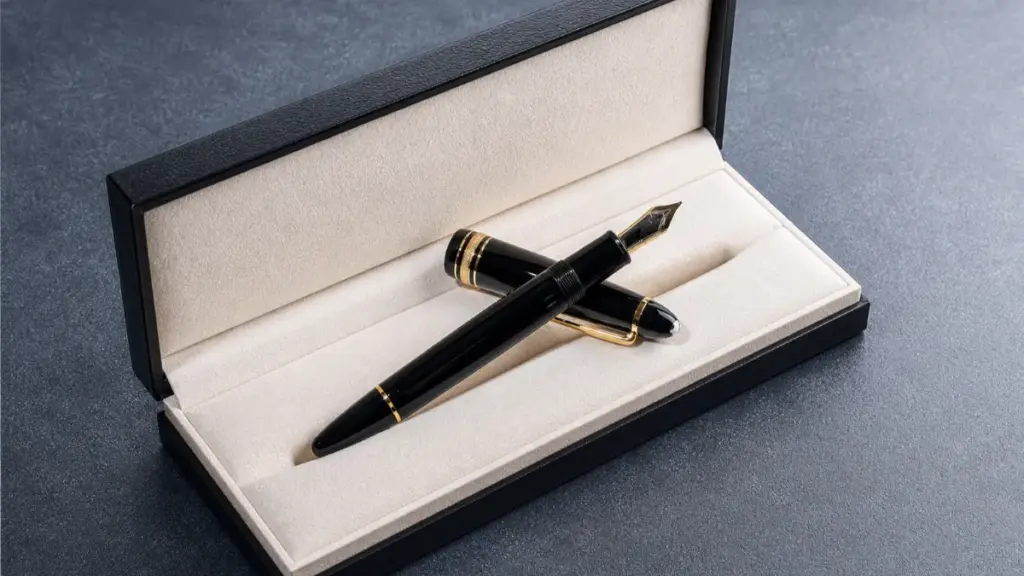
- Fountain pens: typically cost more because of nib structure, ink system, and more precise assembly requirements.
- Stylus pens: add extra functional parts, which increases component cost and assembly complexity.
Surface Finish and Decoration
A pen may be simple in structure but still become expensive because of its surface treatment. Printing and finishing can change the quote quickly, especially in branded orders.
Common decoration methods affect cost differently:
- One-color silk screen printing: usually one of the lowest-cost branding methods.
- Multi-color printing: adds setup and alignment cost.
- UV printing: suitable for sharper visual effects, but usually costs more than standard printing.
- Laser engraving: common on metal pens and often priced above simple logo printing.
- Plating, rubber coating, or anodizing: increase both appearance value and processing cost.
Order Quantity
Order quantity affects unit price more than many buyers expect. The larger the order, the easier it is to spread mold setup, machine adjustment, material preparation, printing setup, and labor across more pieces.
For example, a standard pen made in 10,000 pieces usually costs much less per unit than the same pen made in 500 pieces. Small orders often carry higher unit cost because the factory still needs to prepare machines, labor, and printing processes even if the run is short.
Packaging Type
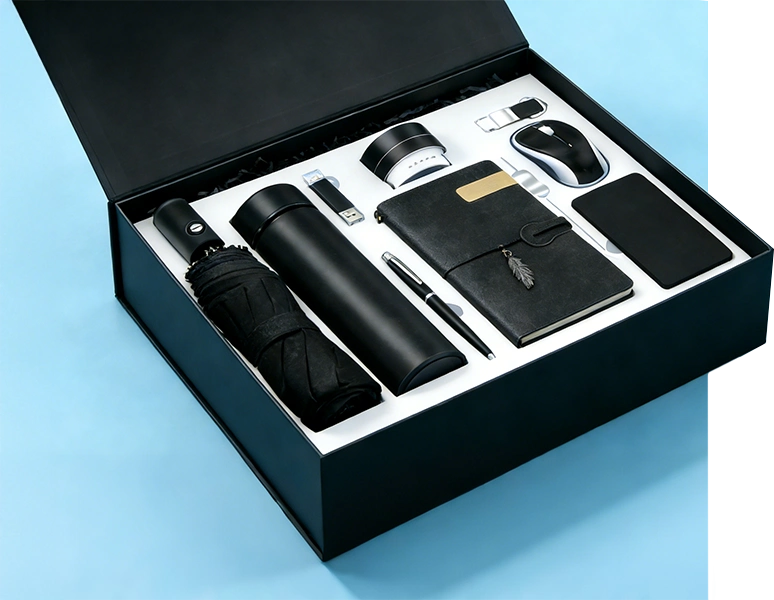
Packaging changes the total cost quickly, especially in gift-oriented products. A pen in a simple OPP bag costs far less than the same pen packed in a paper box, leather case, or branded gift set.
Packaging cost usually rises with:
- Box structure and material.
- Foam or EVA insert.
- Printed sleeve or branding card.
- Set matching, such as pen + notebook or pen + accessory.
Quality Standard and Testing
Quality requirements also change manufacturing cost. A low-cost giveaway pen and a pen made for premium gifting do not follow the same inspection standard.
Cost usually increases when the project requires:
- Smoother and more stable writing performance.
- Better refill consistency.
- Stricter color matching.
- Surface durability testing.
- Salt spray testing for metal parts.
- More detailed appearance inspection or full QC checks.
Higher standards mean more inspection time, lower tolerance for defects, and sometimes better raw materials. That improves consistency, but it also raises the factory cost.
Factory Process and Production Efficiency
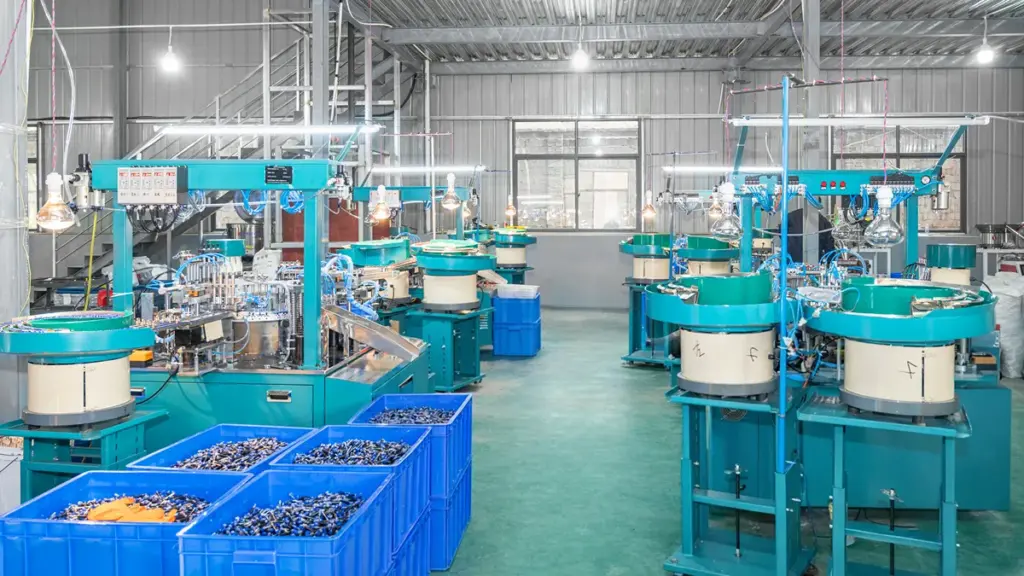
The same product can have different manufacturing costs at different factories. Equipment condition, worker skill, automation level, production planning, and defect rate all affect the final quotation.
A factory with stable lines and integrated process control can usually manage material use, labor efficiency, and quality consistency better. Le-tian Gifts, for example, operates 10 production lines and supports in-house customization processes such as engraving, printing, and packaging coordination, which helps control both lead time and production stability.
Premium Custom Corporate Gifts at Wholesale Prices
Basic Raw Material in a Pen Manufacturing Factory
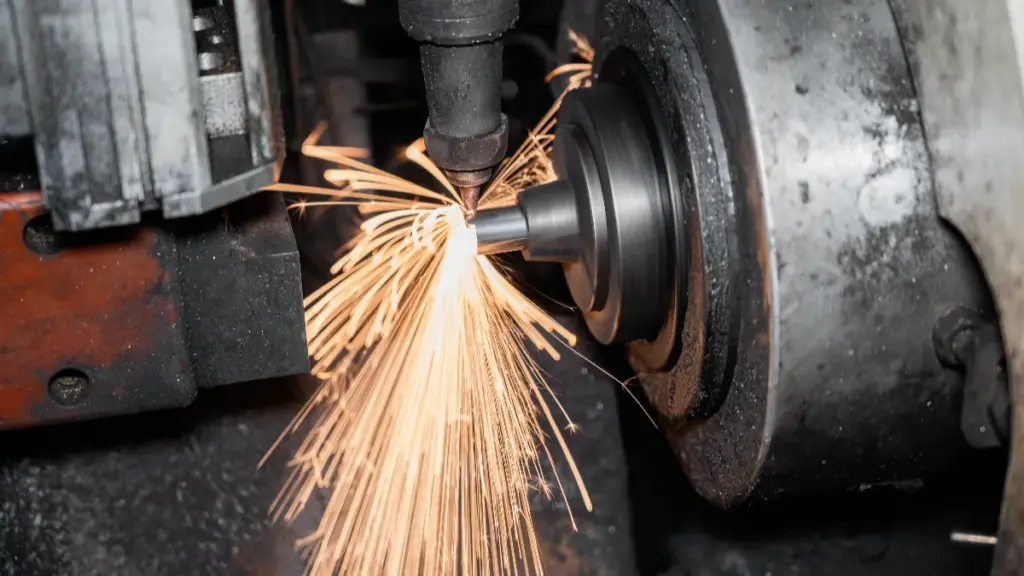
In a pen factory, the main raw materials usually include plastic resin, metal, ink, and small mechanical parts. Plastic materials such as ABS and PP are common in promotional pens, while brass, aluminum, and stainless steel are more often used in metal pens and executive styles. The table below shows common pen raw materials and general market reference values.
Common Raw Materials and Reference Cost
| Raw Material | Common Use in Pens | Industry Reference Price (USD/kg) | Notes |
|---|---|---|---|
| ABS resin | Barrels, clips, molded plastic parts | $1.58–$1.64/kg | Common for pen bodies with stable molding performance. |
| PP resin | Lightweight barrels and lower-cost plastic parts | About $1.40/kg | Often used in lighter and more cost-sensitive pen styles. |
| Brass | Premium pen barrels, trims, executive pen parts | $8.30–$13.20/kg | Heavier and more premium than aluminum. |
| Aluminum | Lightweight metal pen bodies | $2.89–$3.48/kg | Common in lightweight metal pens. |
| Stainless steel | Clips, trims, and durable pen bodies | $2.28–$2.35/kg | Durable, but machining and finishing can raise total cost. |
| Ink materials | Refills and writing systems | Varies by formulation | Affects writing smoothness, shelf life, and leak resistance. |
Note: These are general industry reference values for raw materials and do not represent the exact material cost of a finished pen. Actual cost depends on grade, sourcing channel, order volume, and processing requirements.
Cost Breakdown for Pen Components
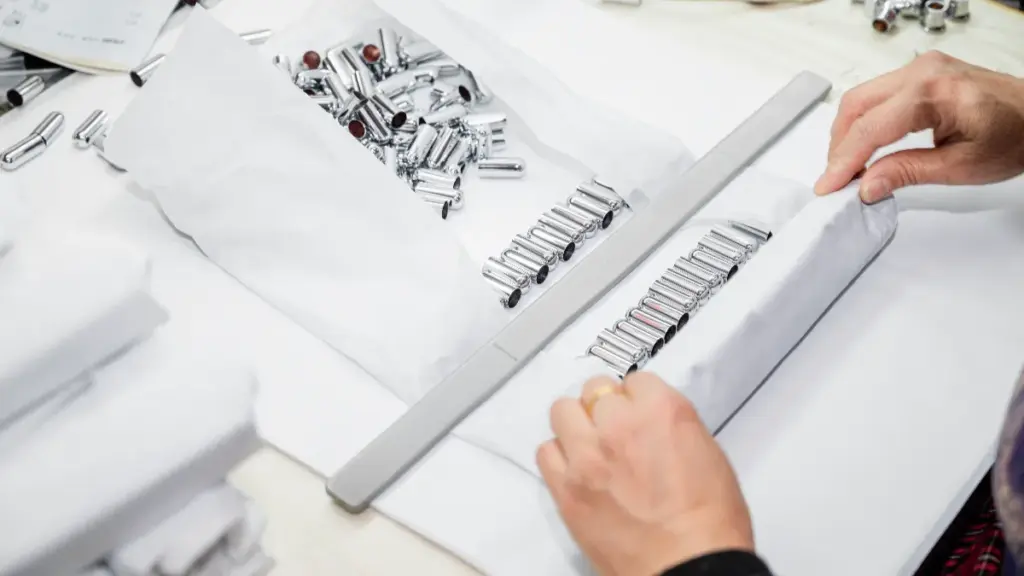
To understand pen manufacturing cost at a practical level, it is necessary to break the product down into its core components. we separate 2 of the most common pen structures used in the global promotional market:
- Standard plastic retractable ballpoint pen
- Mid-weight metal ballpoint pen
Plastic Ballpoint Pen (8–12g)
A standard plastic ballpoint pen is the most cost-efficient structure in pen manufacturing. It is widely used in promotional campaigns due to its low material consumption and high-speed automated production.
Under bulk production (≥10,000 pcs), the total manufacturing cost typically ranges from: $0.07 – $0.20 per unit
This cost level is mainly driven by low-cost injection molded parts and fully automated assembly lines.
Component-Level Cost Structure (8-12g Plastic Ballpoint Pen)
| Component | Material | Weight (g) | Cost (USD) | Remarks |
|---|---|---|---|---|
| Barrel | ABS / PP | 4.0 – 6.0 | 0.015 – 0.040 | Injection molded; main material cost |
| Ink Refill | PP tube + oil ink | 2.0 – 3.0 | 0.020 – 0.060 | Includes ink & tube |
| Tip (Nib) | Brass + carbide ball | 0.3 – 0.6 | 0.010 – 0.030 | Precision component |
| Spring | Stainless steel | 0.1 – 0.3 | 0.003 – 0.010 | Click mechanism |
| Clip | ABS / steel | 0.5 – 1.0 | 0.005 – 0.020 | Integrated or separate |
| Push Mechanism | ABS parts | 0.3 – 0.8 | 0.003 – 0.010 | Depends on design |
| Assembly | — | — | 0.010 – 0.030 | Auto / semi-auto |
| Basic Packing | Polybag / carton | — | 0.005 – 0.020 | No retail box |
Metal Ballpoint Pen (15–25g)
A metal ballpoint pen follows a fundamentally different cost structure due to higher material density and additional surface finishing processes.
Compared to plastic pens, the cost is no longer driven only by raw material, but also by machining precision, finishing complexity, and assembly labor involvement.
Under bulk production (≥10,000 pcs), the total manufacturing cost typically ranges from: $0.30 – $1.50+ per unit
This makes metal pens more suitable for corporate gifting and premium branding applications.
Component-Level Cost Structure (15-25g Metal Ballpoint Pen)
| Component | Material | Weight (g) | Cost (USD) | Remarks |
|---|---|---|---|---|
| Barrel (Body) | Aluminum / Brass | 8.0 – 15.0 | 0.20 – 0.80 | CNC / extrusion + surface finishing |
| Ink Refill | Metal or PP tube + ink | 2.0 – 3.5 | 0.05 – 0.15 | Higher-quality refill option |
| Tip (Nib) | Brass + carbide ball | 0.5 – 1.0 | 0.03 – 0.08 | Higher precision required |
| Spring | Stainless steel | 0.2 – 0.5 | 0.005 – 0.015 | More durable spec |
| Clip | Steel / aluminum | 1.0 – 2.5 | 0.03 – 0.10 | Stamped or CNC processed |
| Push Mechanism | Metal + ABS internal parts | 0.5 – 1.5 | 0.01 – 0.05 | More complex structure |
| Surface Finishing | Anodizing / painting / plating | — | 0.05 – 0.30 | Key cost difference vs plastic |
| Assembly | — | — | 0.03 – 0.08 | More manual handling |
| Basic Packing | Polybag / simple box | — | 0.01 – 0.05 | Excludes gift box |
Hidden Costs in Pen Manufacturing You Should Know
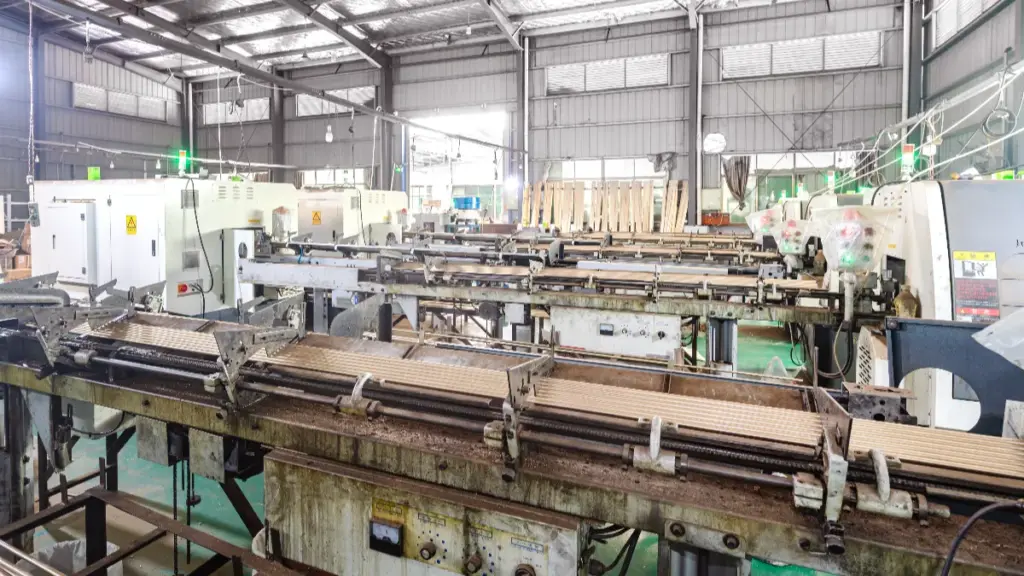
Pen manufacturing costs extend far beyond raw materials. Setup fees, custom tooling, packaging surcharges, and global logistics quickly erode margins if you only monitor base unit prices.
Beyond the visible unit price of a pen, there are several hidden costs that often impact the final quotation, especially in custom and bulk orders. These costs are not always included in the initial product price, but they are real factors in production planning and export pricing.
One common hidden cost is mold development fee, especially for custom-designed pen bodies or clips. This can range from simple adjustments to fully new tooling.
Another is custom color matching (Pantone), which requires additional material testing and production adjustments to ensure brand consistency.
Logo application methods such as laser engraving, silk printing, or UV printing also add extra processing time and cost depending on complexity and color count.
Packaging upgrades, such as individual gift boxes or branded sets, can significantly increase both material and labor costs compared to bulk polybag packing.
Finally, quality control and defect rate allowance are often included in real factory pricing, especially for low-MOQ or highly customized orders.
Understanding these hidden factors helps buyers evaluate quotations more accurately and avoid unexpected budget gaps.
How to Reduce Cost When Buying Pens?
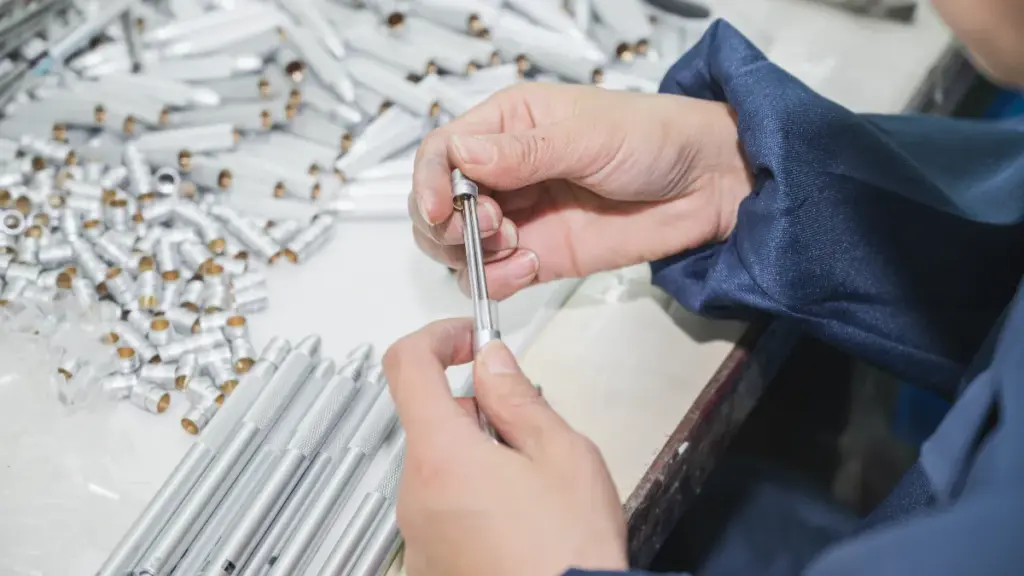
Smart procurement avoids single-use disposables. By leveraging bulk bundles, refillable models, and strategic discount timing, buyers drastically lower long-term writing expenses.
Reducing pen procurement cost is not only about negotiating a lower unit price. In most cases, the real savings come from improving how the product is specified, ordered, and sourced. Below are several practical ways B2B buyers can effectively control cost without sacrificing product quality.
1. Work with a source factory instead of traders
One of the most effective ways to reduce cost is to buy directly from a manufacturing source factory rather than middlemen or trading companies. This removes extra margin layers and gives you direct access to raw material pricing, production planning, and tooling decisions.
For example, pen factories like Le-tian Gifts, which integrate both manufacturing and export operations, allow buyers to control cost at the production level while still receiving export-ready service.
2. Increase order quantity strategically
Unit cost decreases significantly when production scale increases. In pen manufacturing, moving from 1,000 pcs to 10,000 pcs can reduce cost by 20–50% due to optimized material purchasing and automated production efficiency.
3. Simplify design and customization
Complex structures, multiple color printing, or mixed materials increase both labor and production time. Standardizing components and reducing customization steps can significantly lower cost per unit.
4. Choose cost-efficient materials
Plastic ABS or PP materials are much more economical than metal or specialty composites. Even in metal pens, choosing aluminum instead of brass can create meaningful cost savings.
5. Optimize packaging requirements
Retail-style gift boxes, inserts, and branding elements often cost more than the pen itself. For bulk promotional use, switching to simple packaging can reduce total cost by 10–25%.
By combining these strategies, buyers can better control total procurement cost while maintaining product quality and branding effectiveness.
Final Thoughts
Pen manufacturing cost is not just about the unit price—it is a combination of materials, design, volume, and customization strategy. For B2B buyers, understanding these factors is the key to balancing cost efficiency with brand impact.
If you are looking for a reliable partner for custom promotional pens or corporate gift sets, working with an experienced manufacturer makes a real difference.
With flexible MOQs, fast sampling, and full customization capabilities, Le-tian Gifts helps businesses create high-quality, cost-effective pen solutions tailored to their brand.
👉 Ready to optimize your next order? Reach out today and turn your ideas into premium promotional products.
Frequently Asked Questions
What are different types of pens?
Common types include ballpoint pens, gel pens, rollerball pens, fountain pens, and multifunction pens (e.g., stylus or LED pens).
What affects custom pen pricing the most?
The biggest cost drivers are usually material, pen structure, logo method, packaging, and quantity. In many branded orders, packaging and decoration can increase the final price more than buyers first expect.
Why are custom pens more expensive than standard pens?
Custom pens cost more because they include extra steps such as logo printing, color matching, sample confirmation, packaging adjustment, and sometimes custom mold development. These processes add labor, setup time, and material cost beyond a standard stock item.
What is included in OEM pen manufacturing cost?
OEM pen cost usually includes the pen body, refill, assembly, basic production handling, and agreed decoration or packaging based on the quotation. If the project requires new molds, full custom structure, or special testing, those items may be quoted separately.
Do metal pens cost more than plastic pens?
Yes, in most cases metal pens cost more than plastic pens. The higher raw material cost, added machining or surface finishing, and more premium presentation all push the price up.
How much does logo printing add to pen cost?
Logo printing usually adds a moderate extra cost, but the amount depends on the method. A simple one-color print costs less than laser engraving, UV printing, or multi-color branding.
How can I reduce the cost of custom pens for my business?
You can reduce cost by using standard pen models, simplifying logo printing, and avoiding unnecessary packaging upgrades. Confirming specifications early also helps reduce sampling and redesign costs.
Working directly with a source factory also helps reduce middle costs. For example, Le-tian Gifts provides OEM/ODM pen manufacturing with flexible MOQ and full customization support.
What is the minimum order quantity (MOQ) for custom pens?
MOQ depends on the pen type and supplier policy. Based on the confirmed Le-tian Gifts project data, the MOQ for gift pens is 1,000 pieces, while gift sets can start from 100 sets and notebooks from 500 pieces.